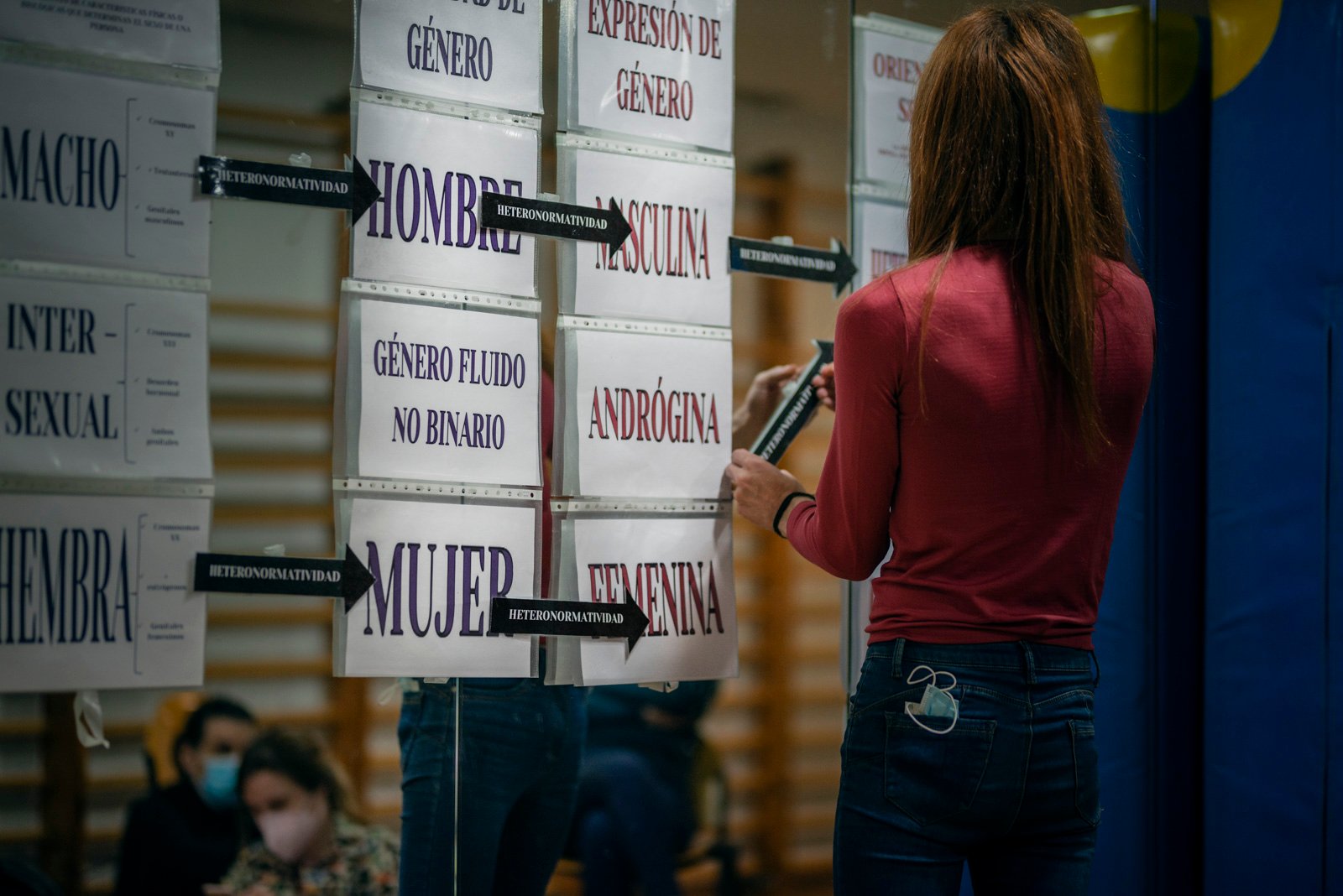
What does it mean to be a woman? What does it mean to be a man? Is identity defined by genitals, hormones, or chromosomes?
We live in a largely binary society that recognizes only two genders linked to two sexes. Yet contemporary thought reveals that gender is a social construction — fluid, diverse, and ever-changing — and that the alignment between biological sex and identity is neither universal nor necessary.
Trans people question this binary system in a direct and visible way. They reveal its contradictions and invite us to reflect not only on the dominant model but also on our own understanding of identity.
For trans people, gender identity does not coincide with the sex assigned at birth. Some identify as men or women; others exist between or beyond these categories. Each faces multiple forms of discrimination and the ongoing denial of their rights.
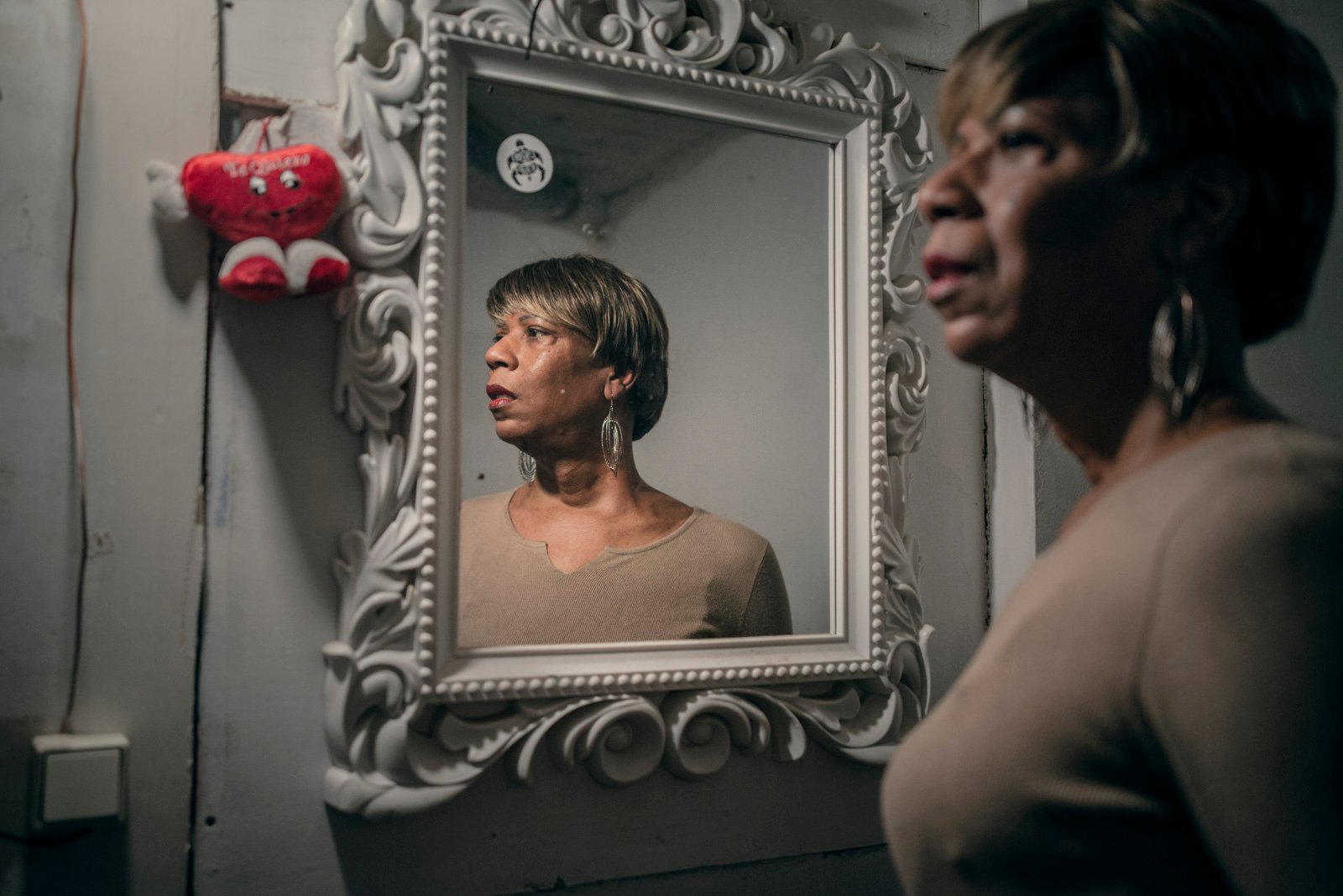
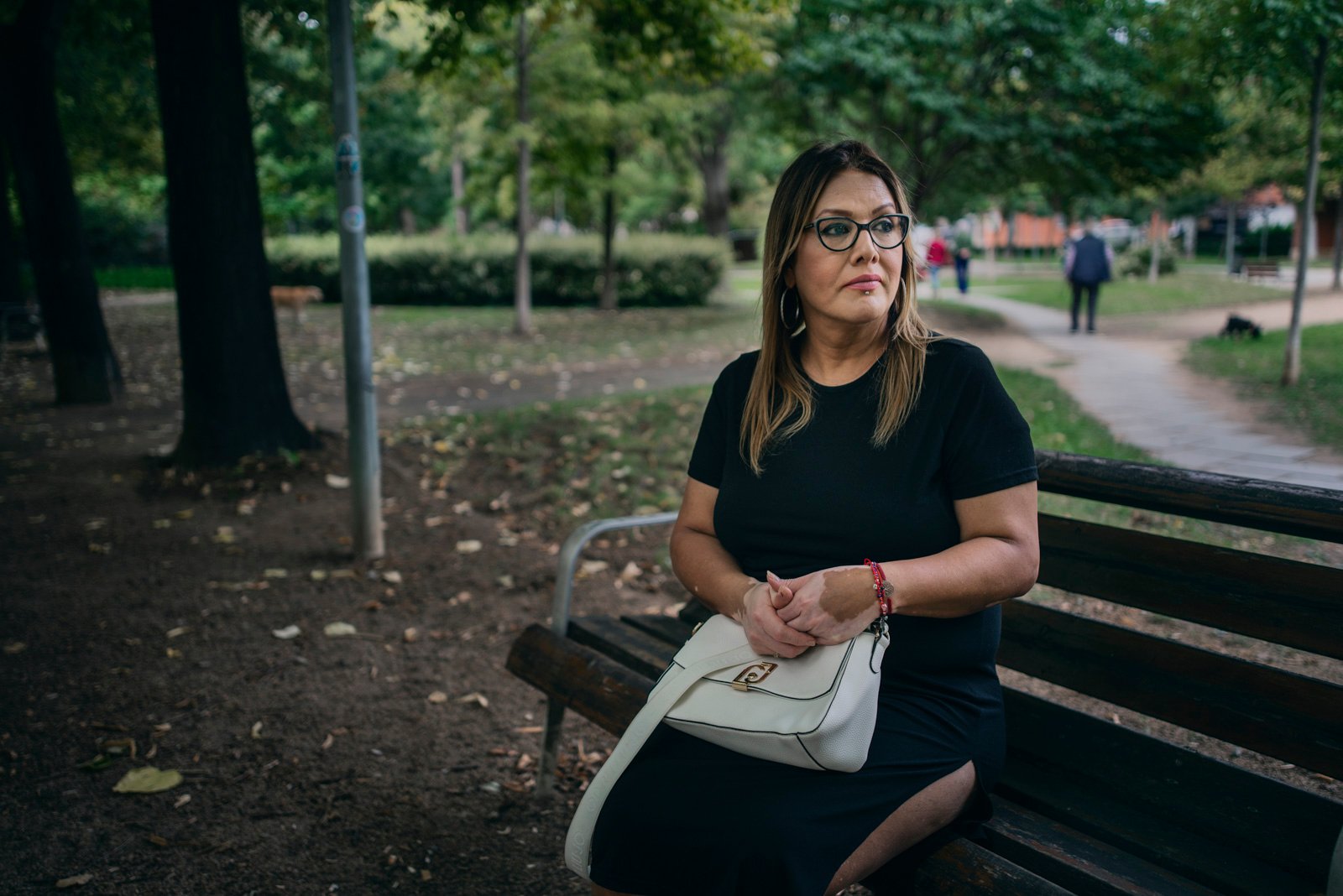
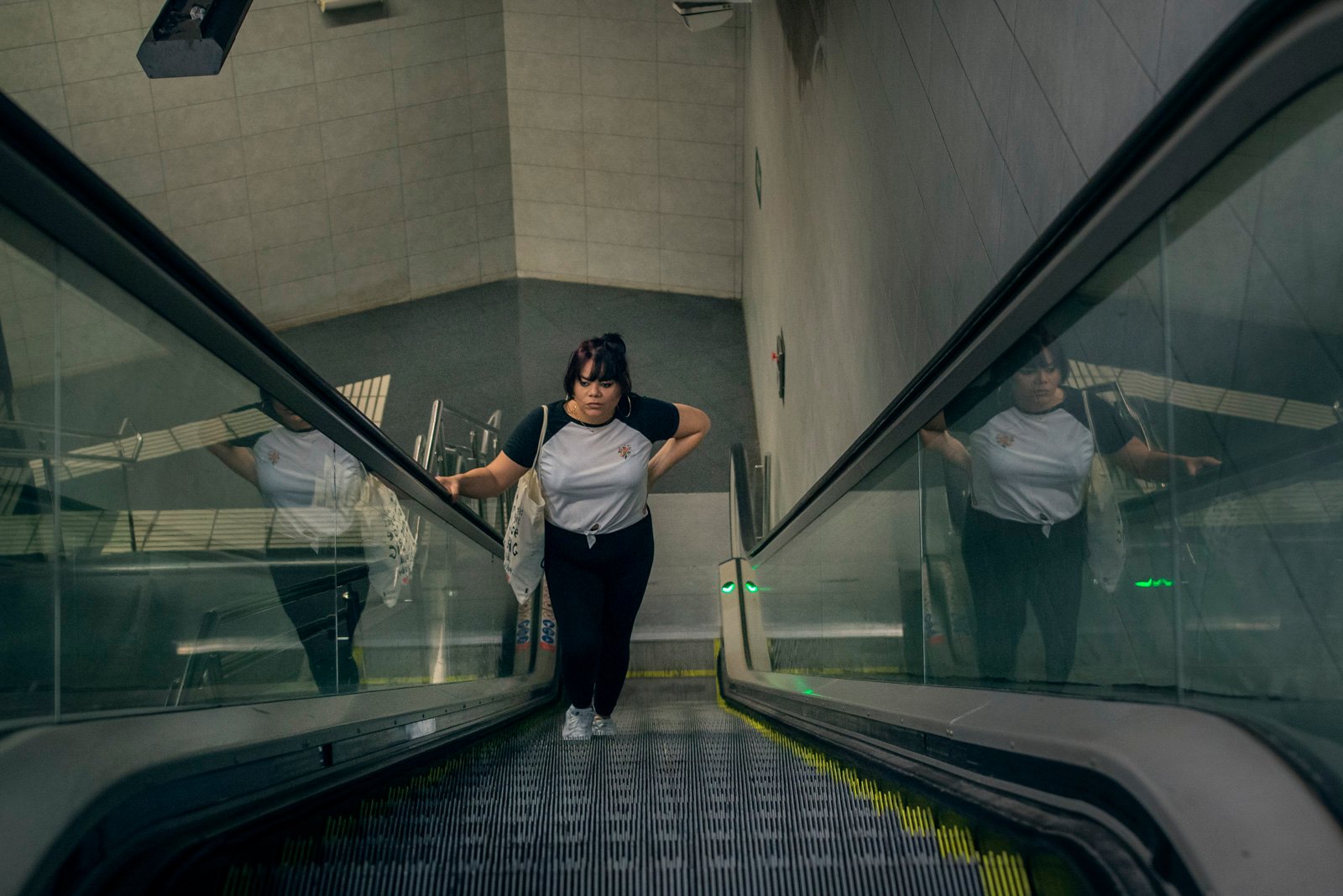
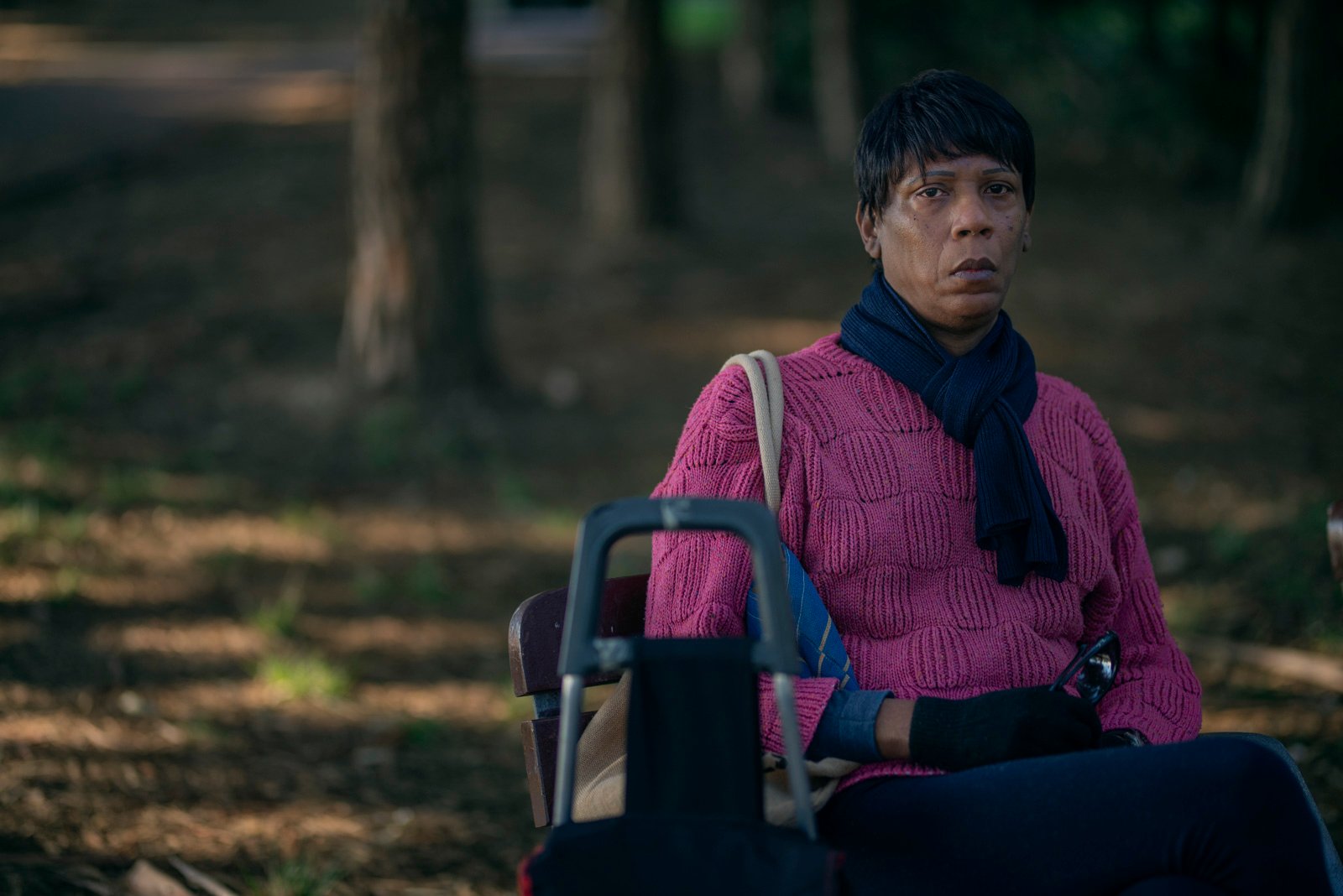
There is no single “trans woman.” Each has her own body, story, and voice — her own way of loving and being. What unites them is the journey toward an authentic identity, often marked by struggle, solitude, and resilience.
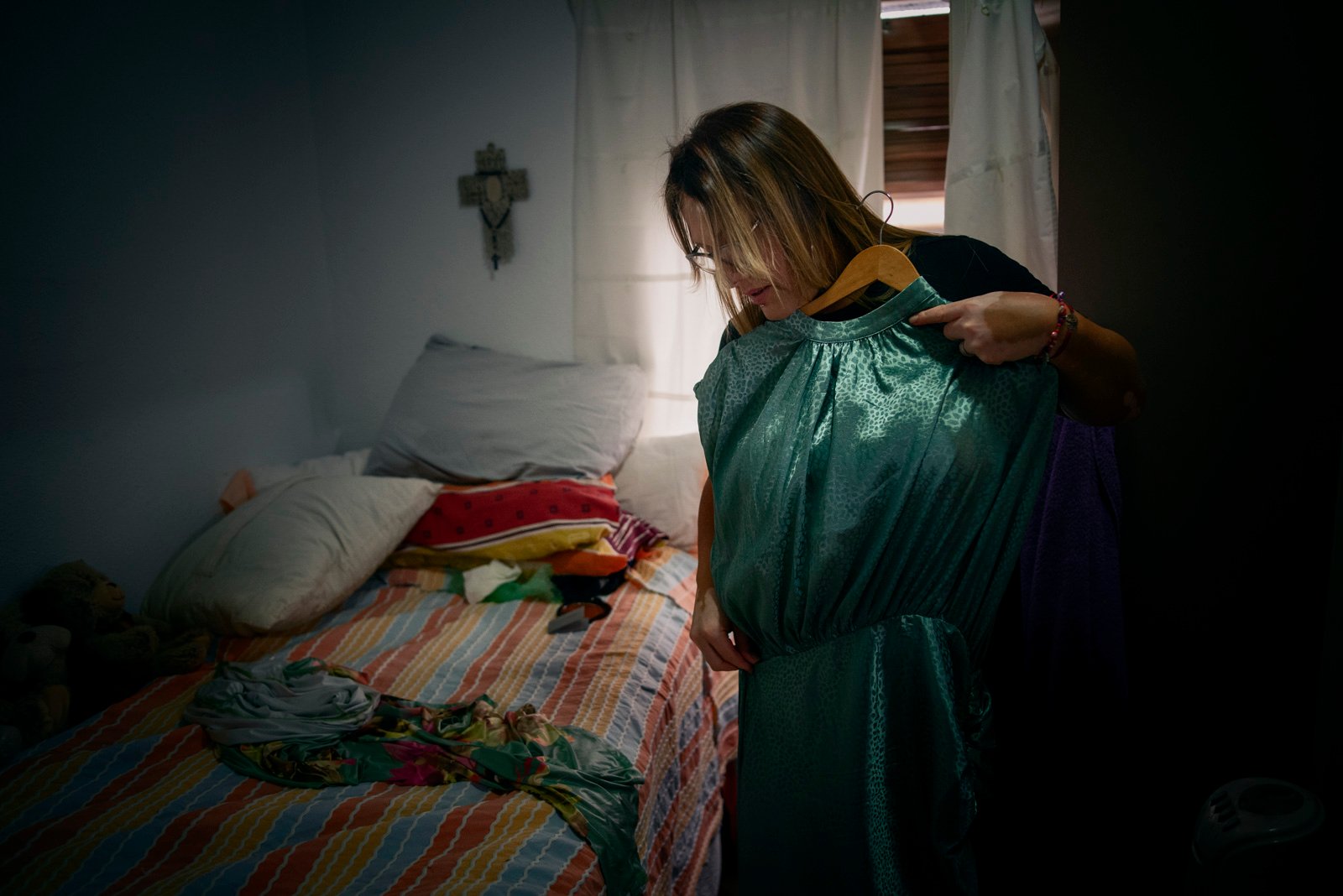
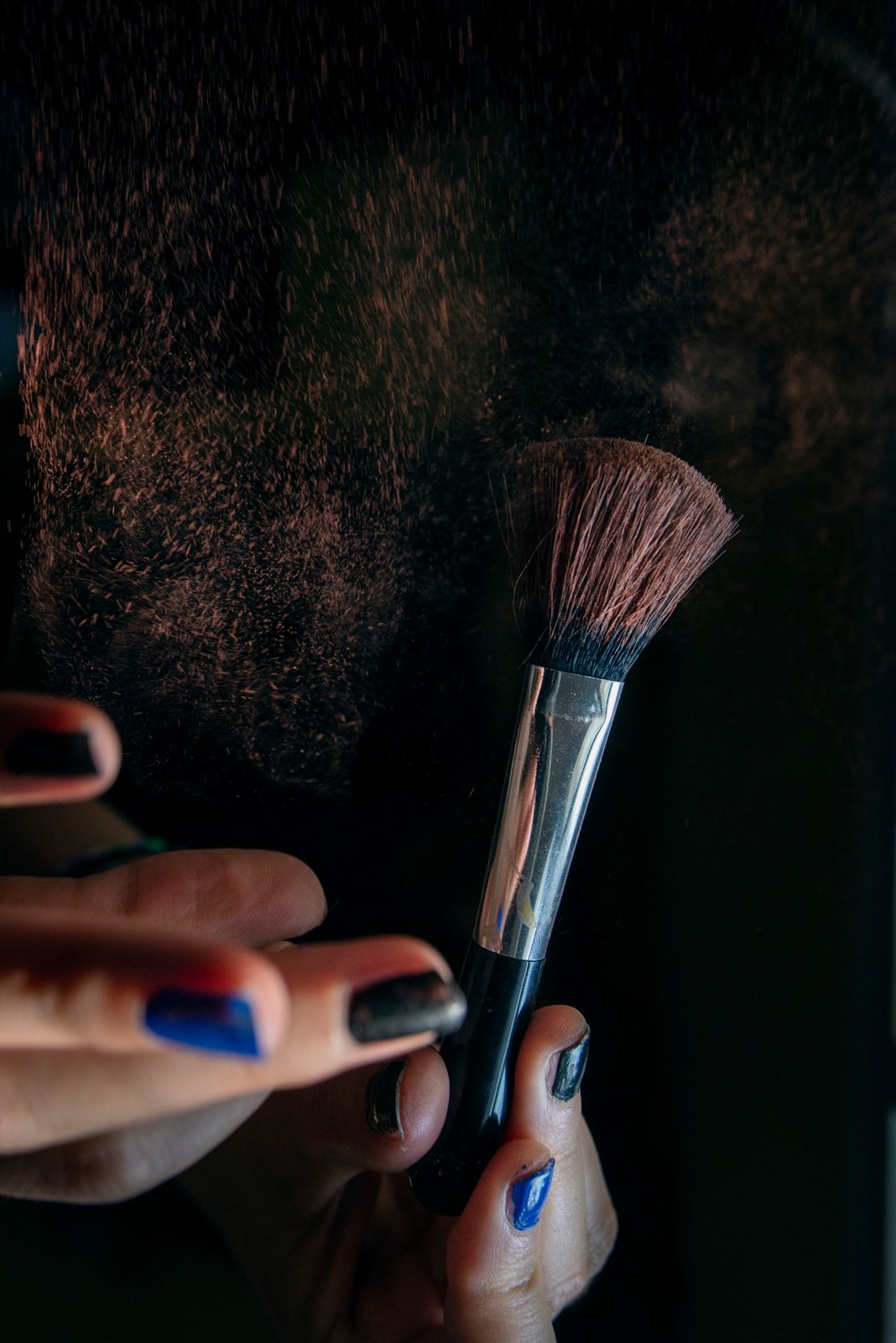
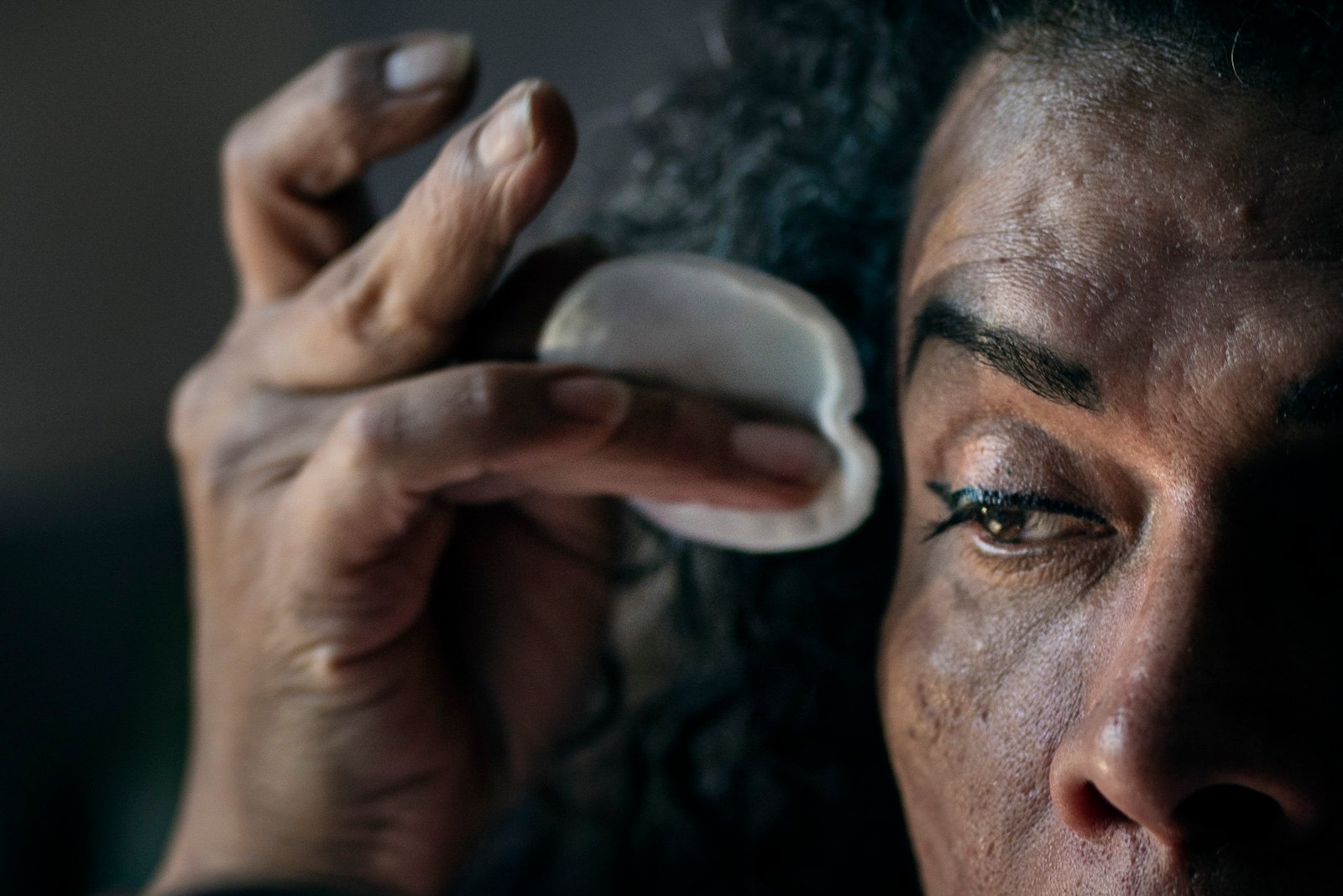
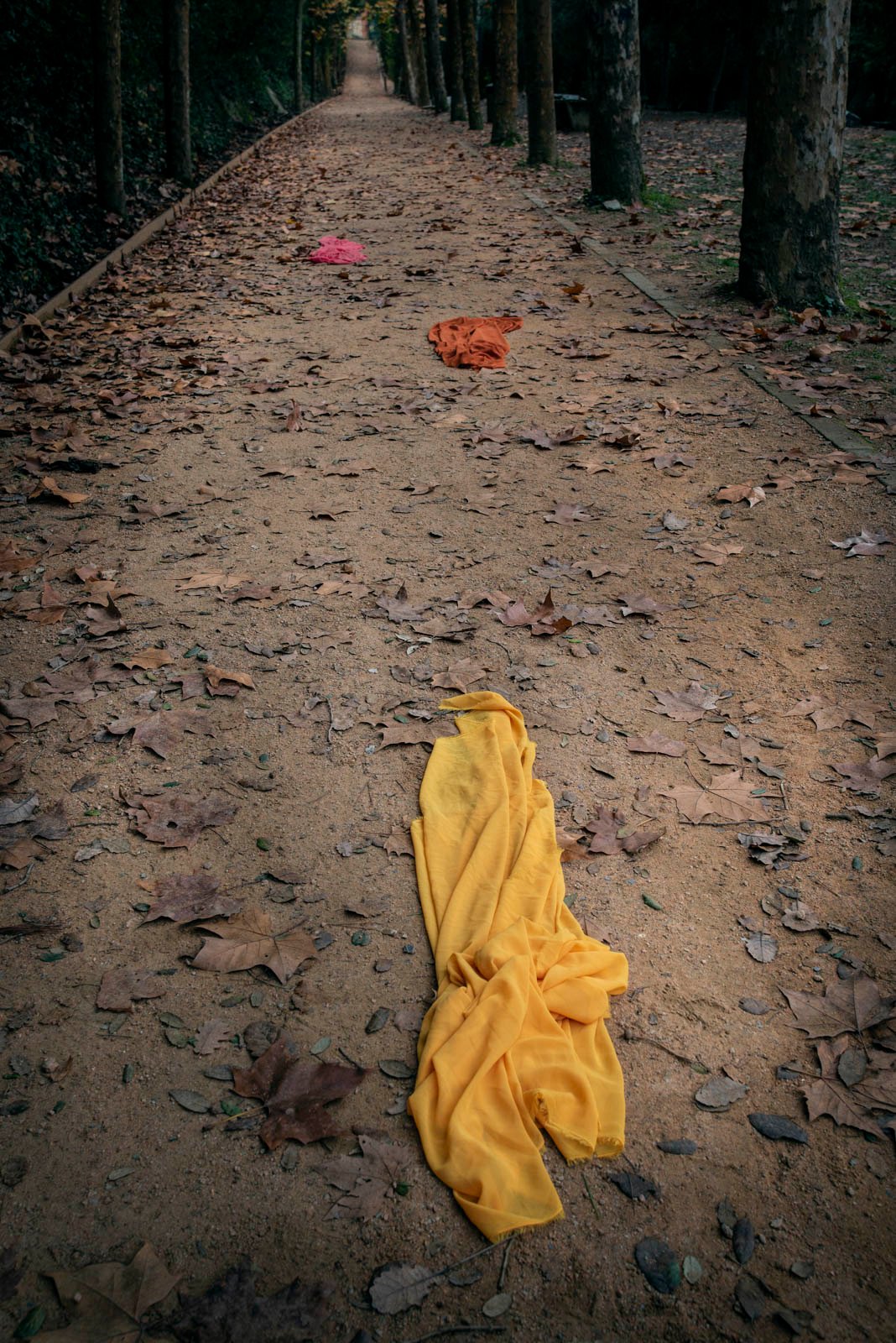
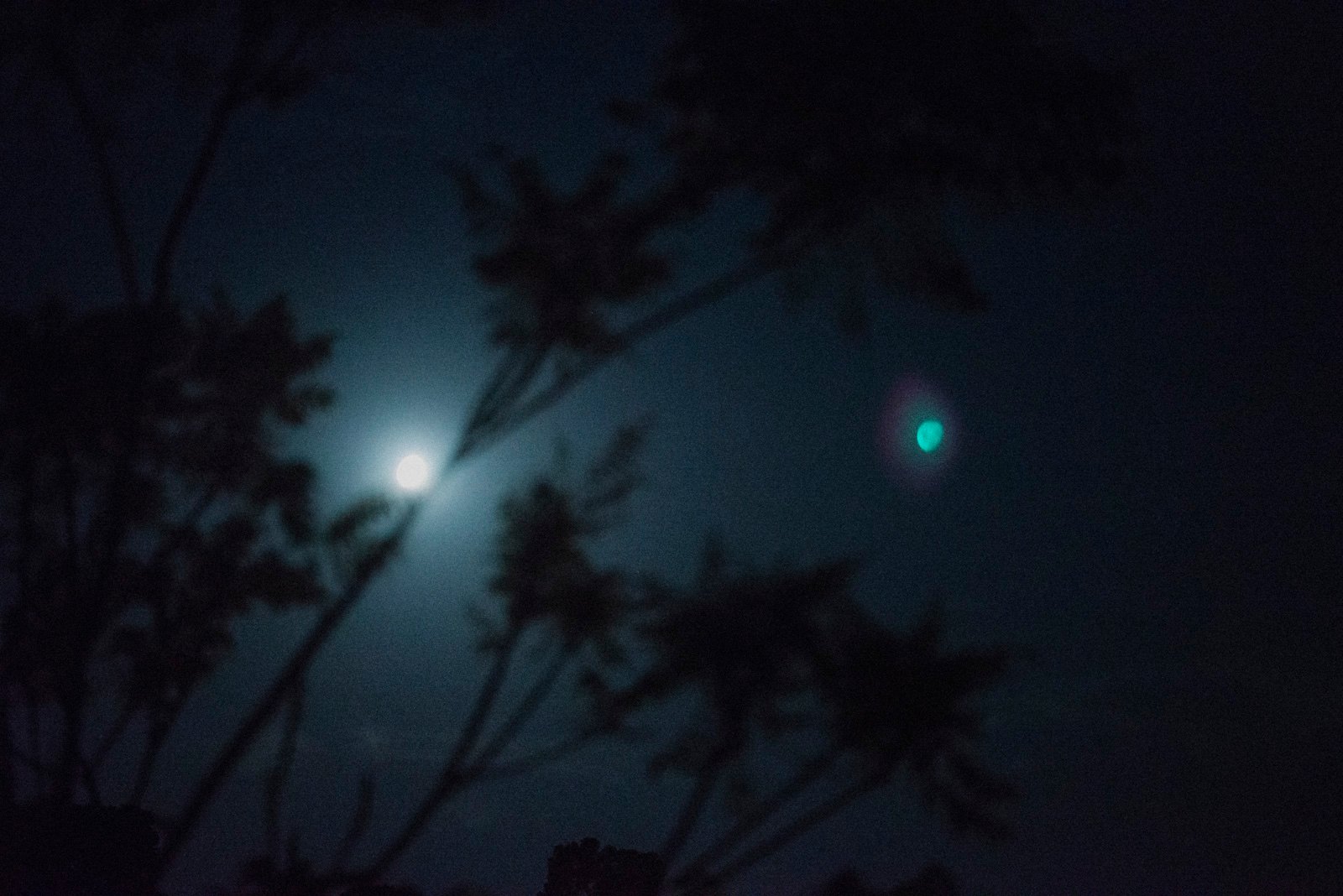
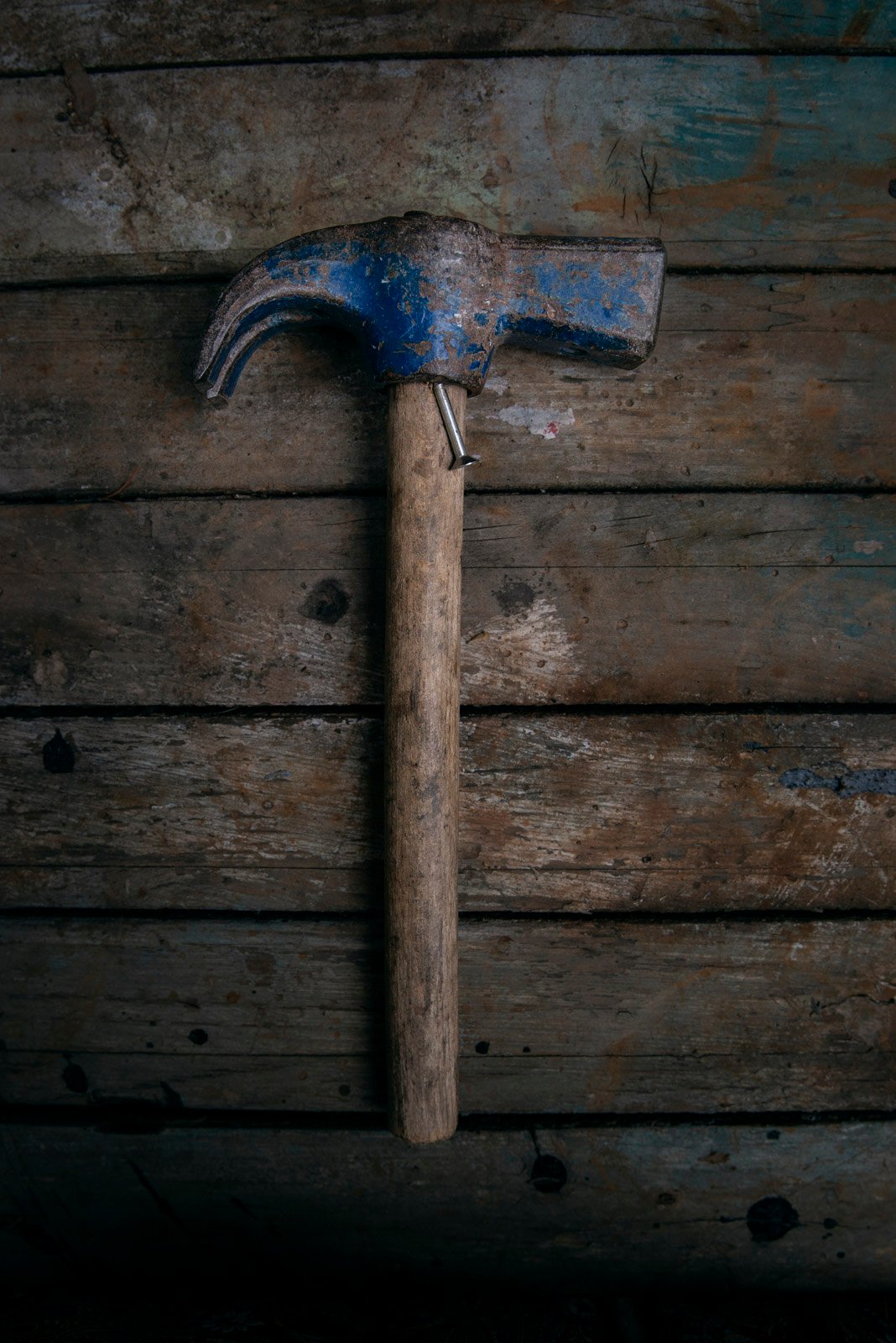
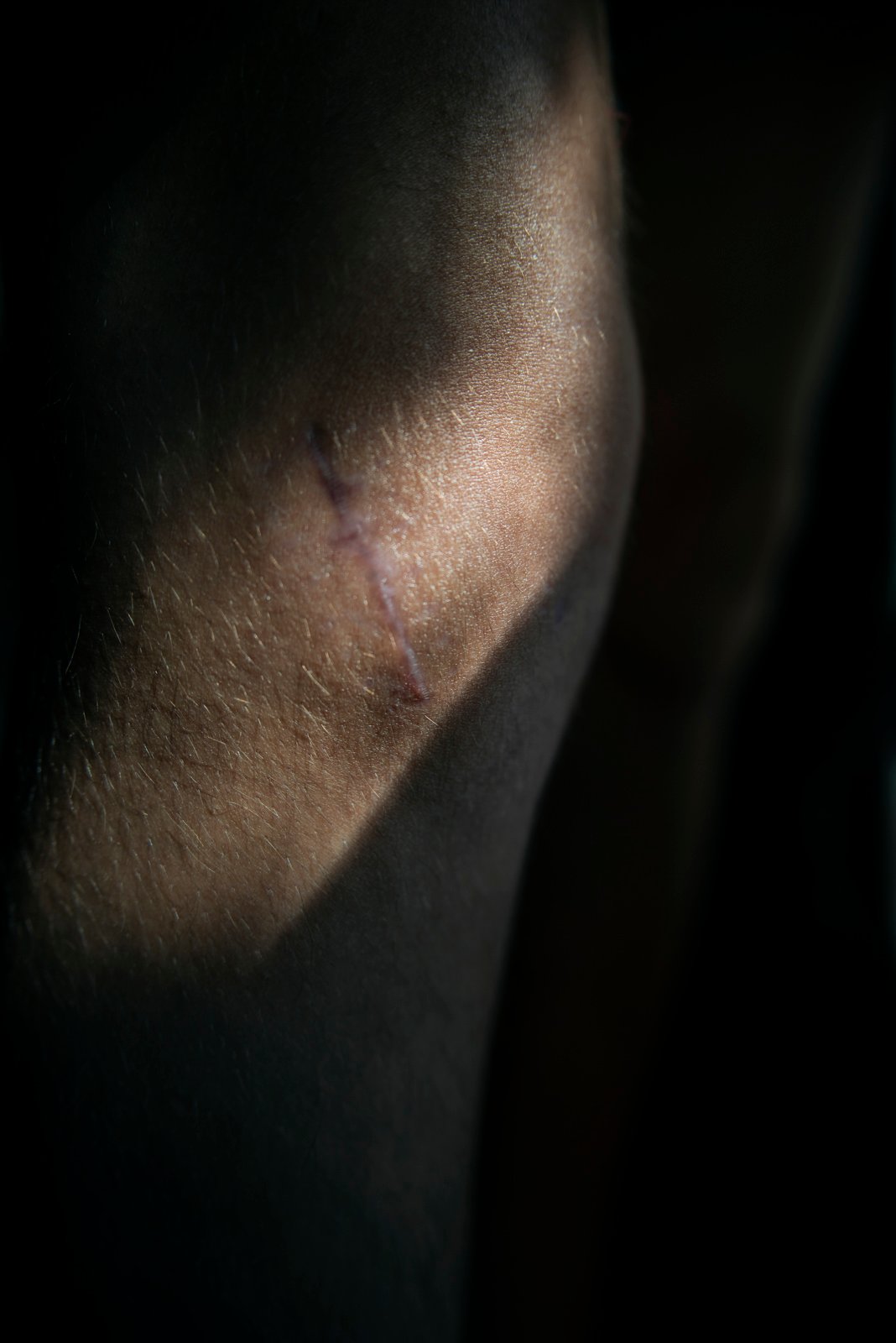
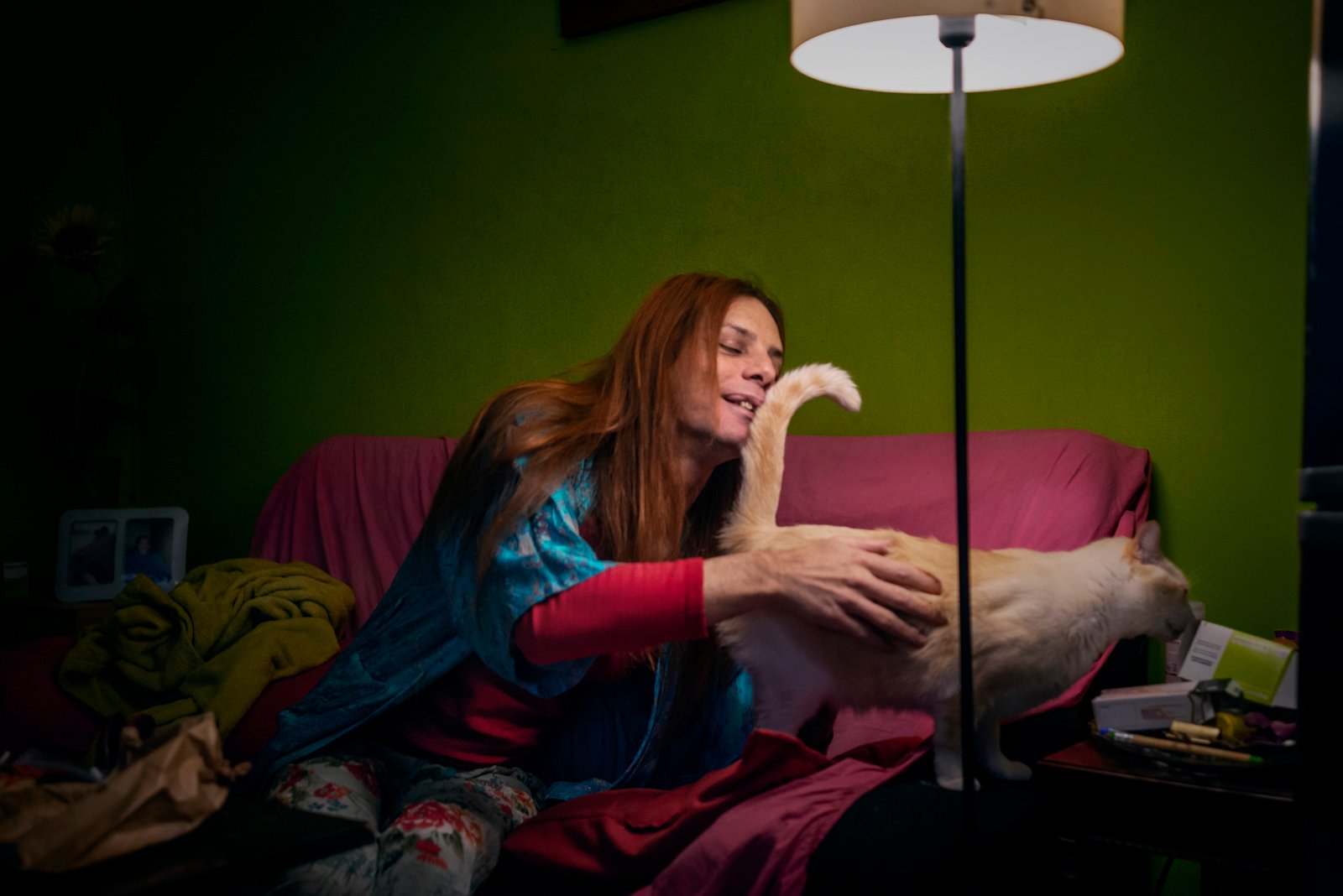
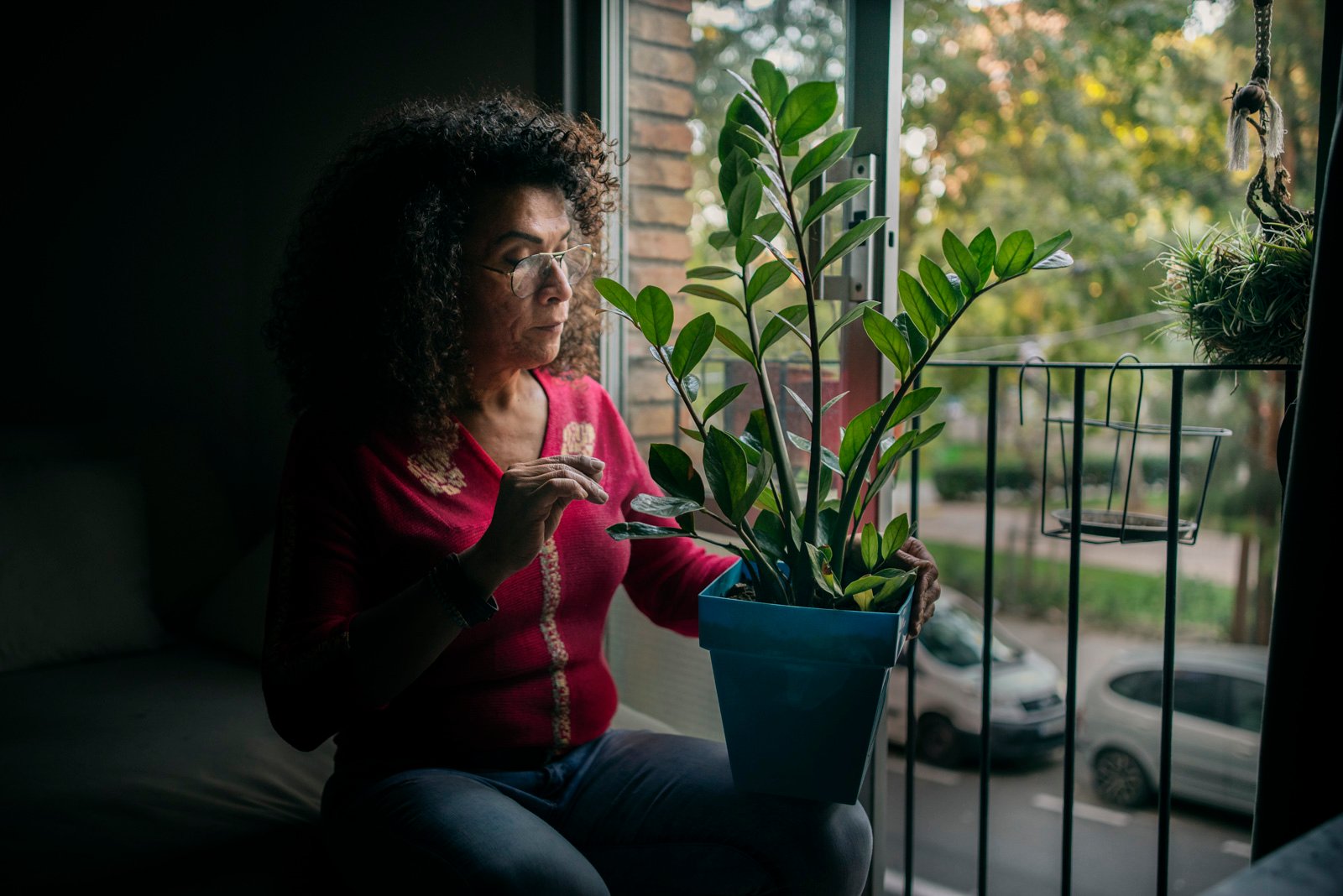
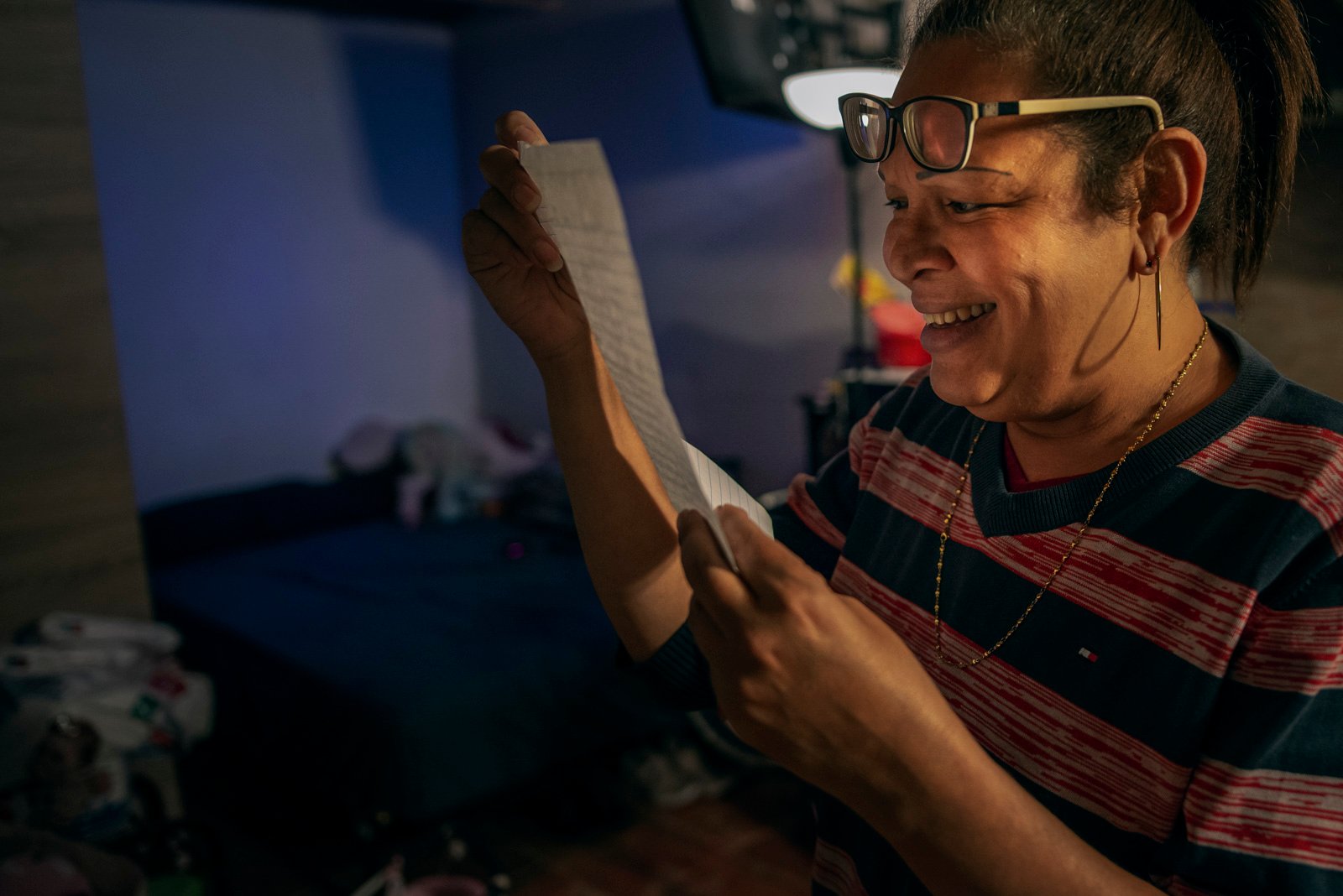
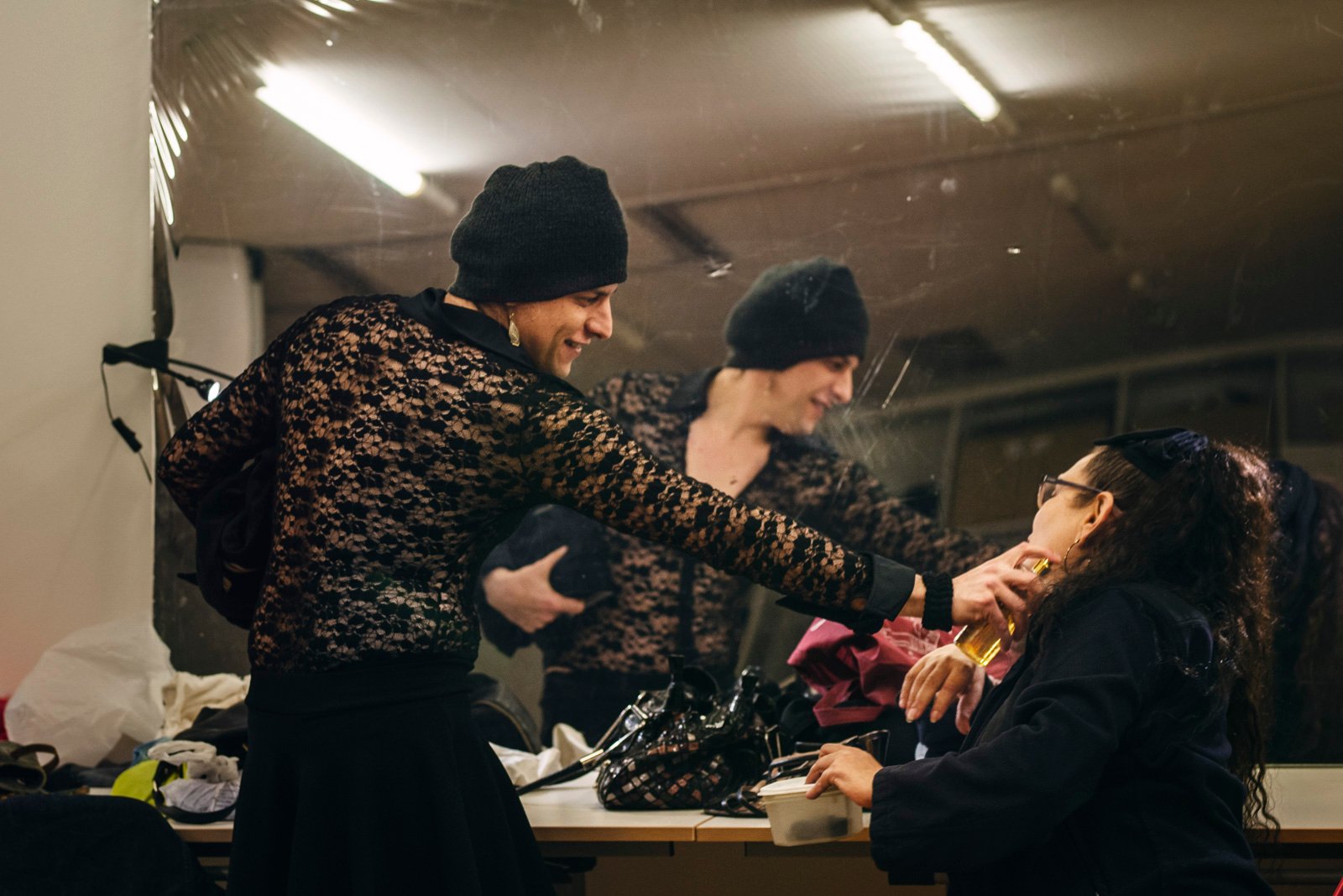
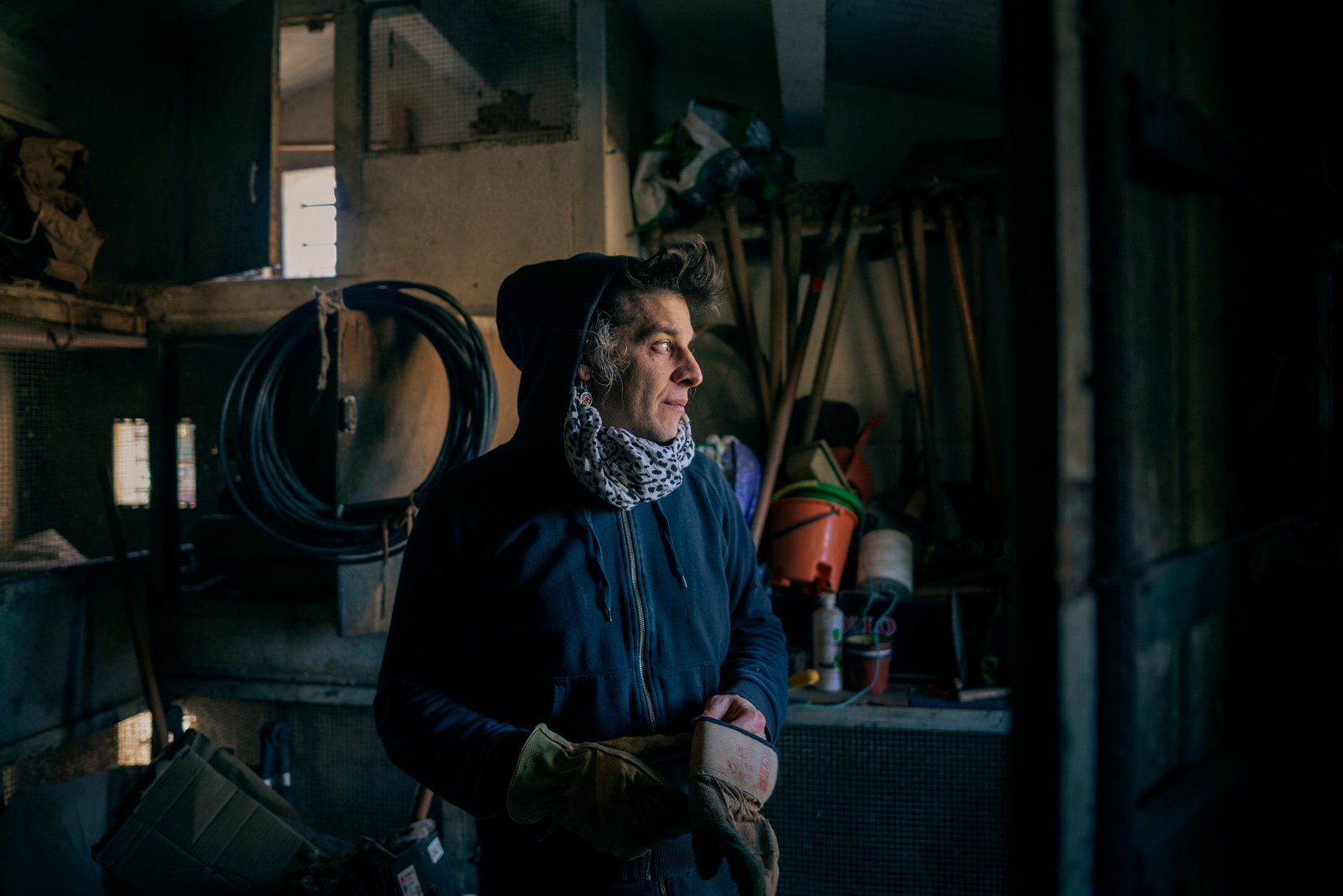
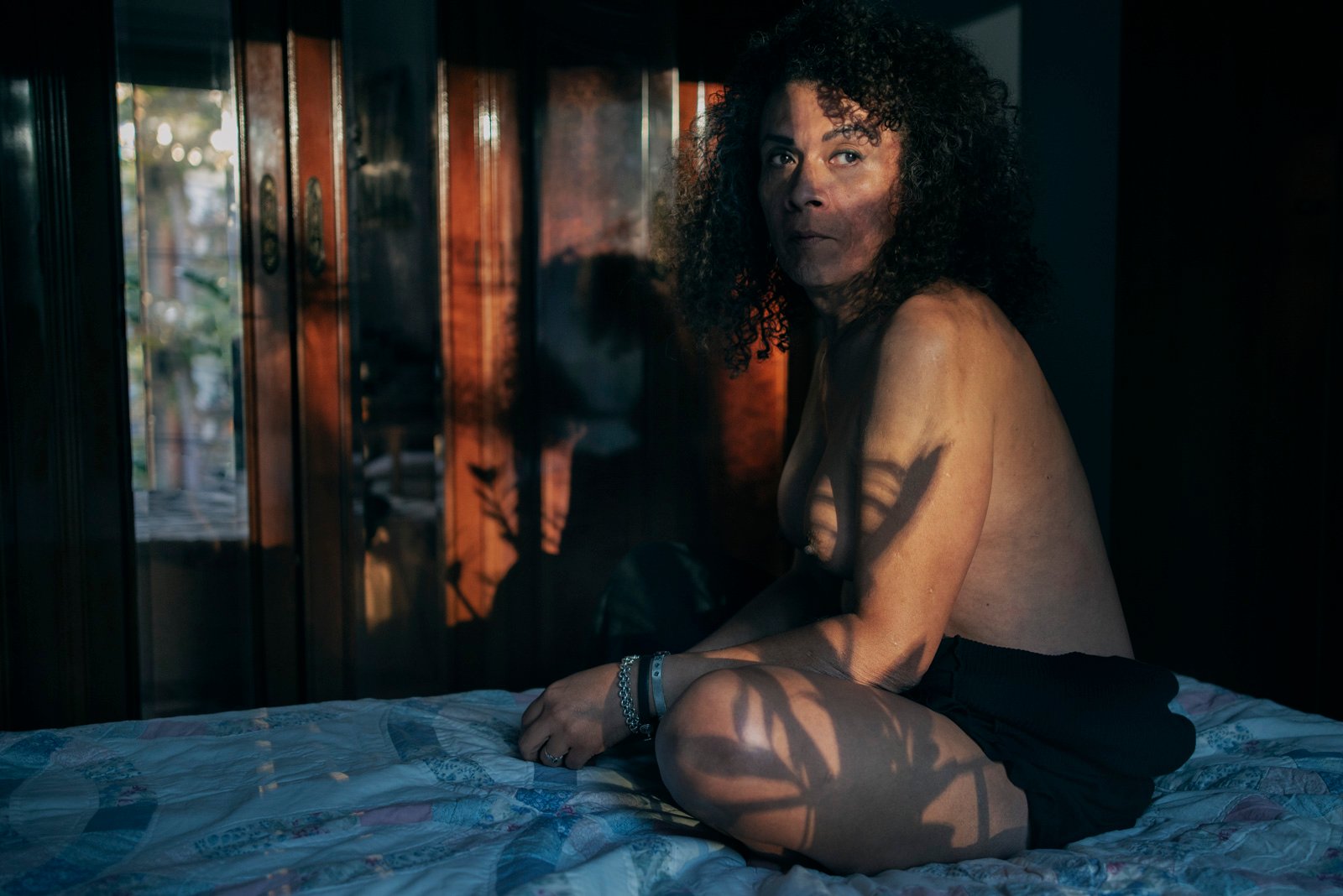
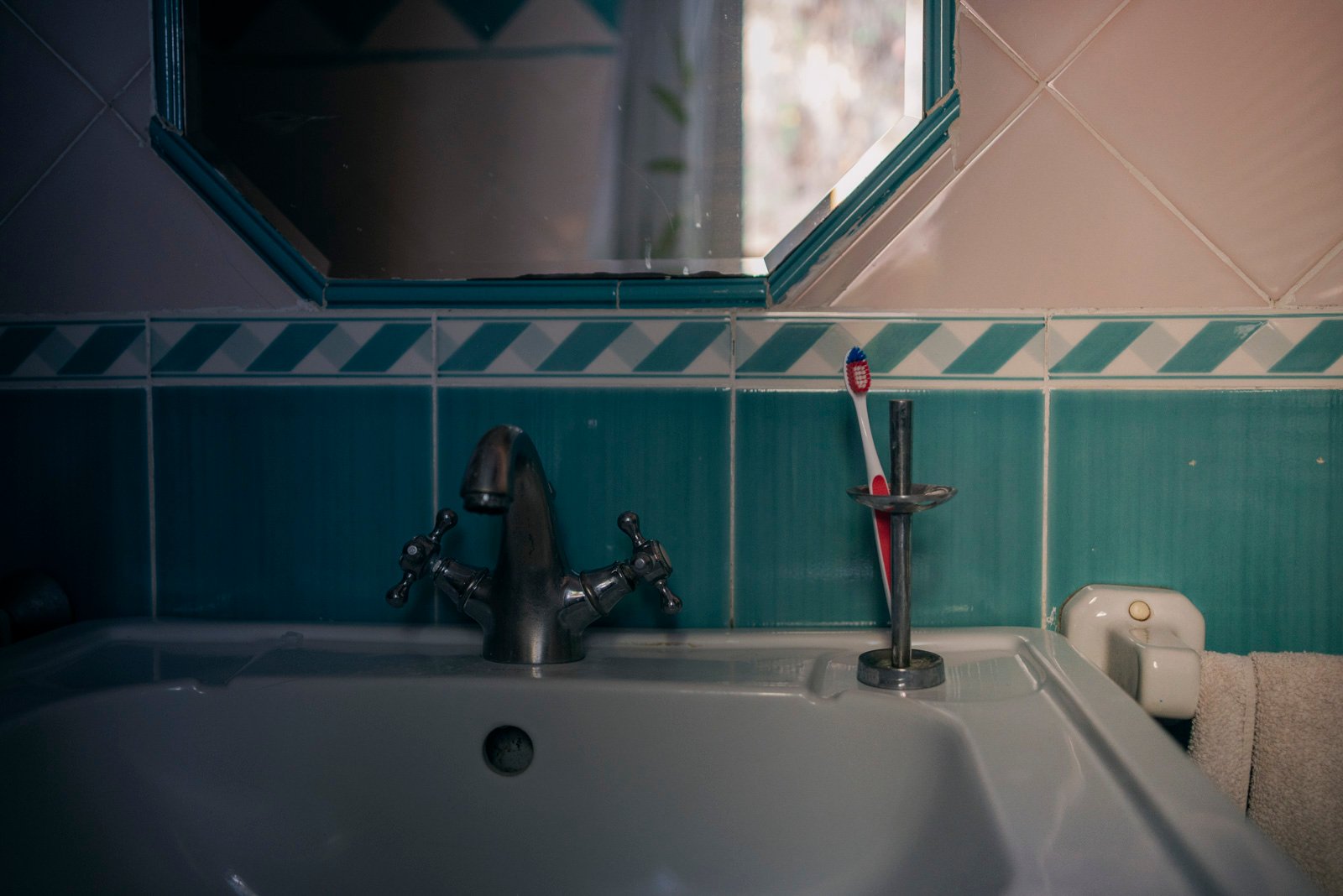
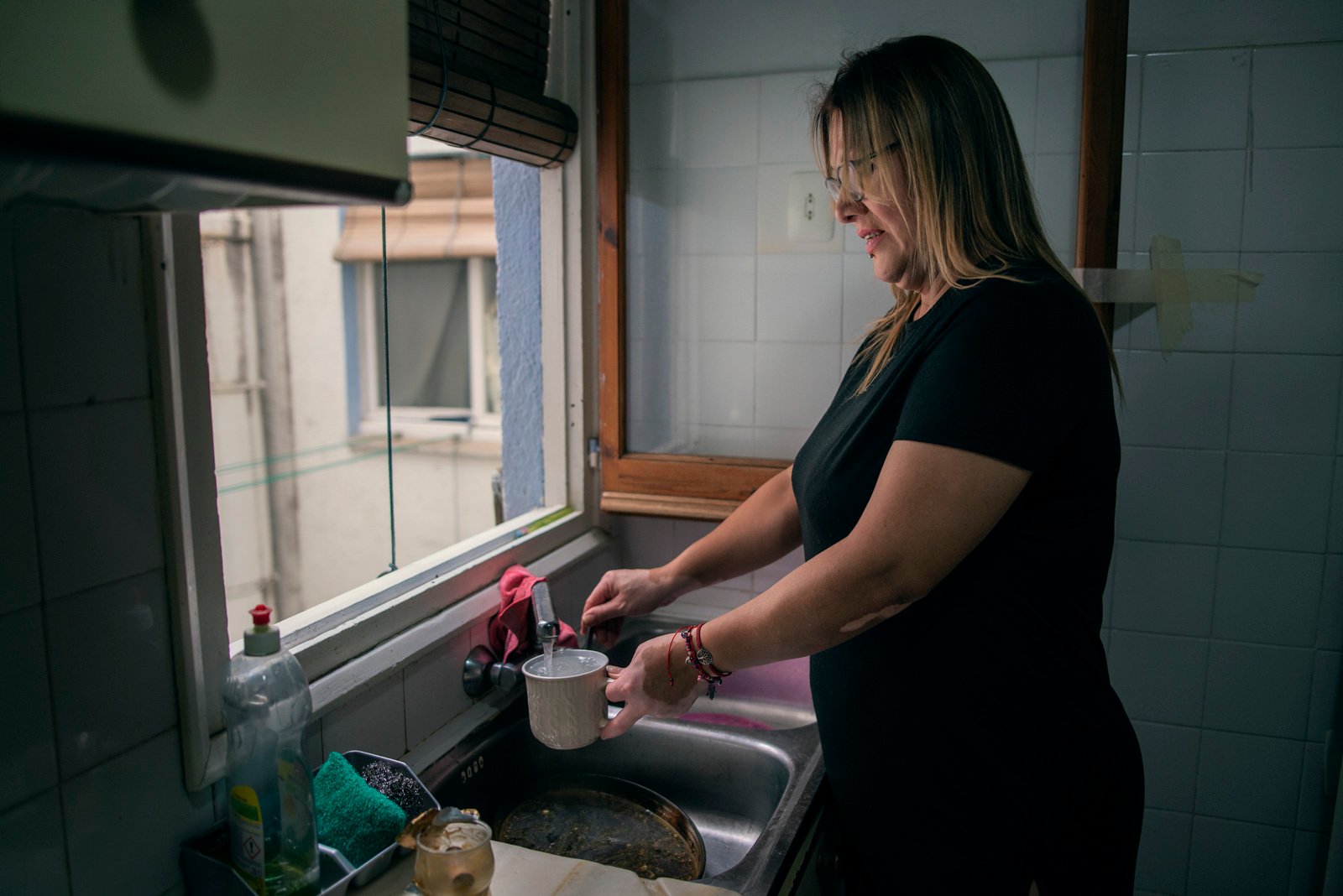
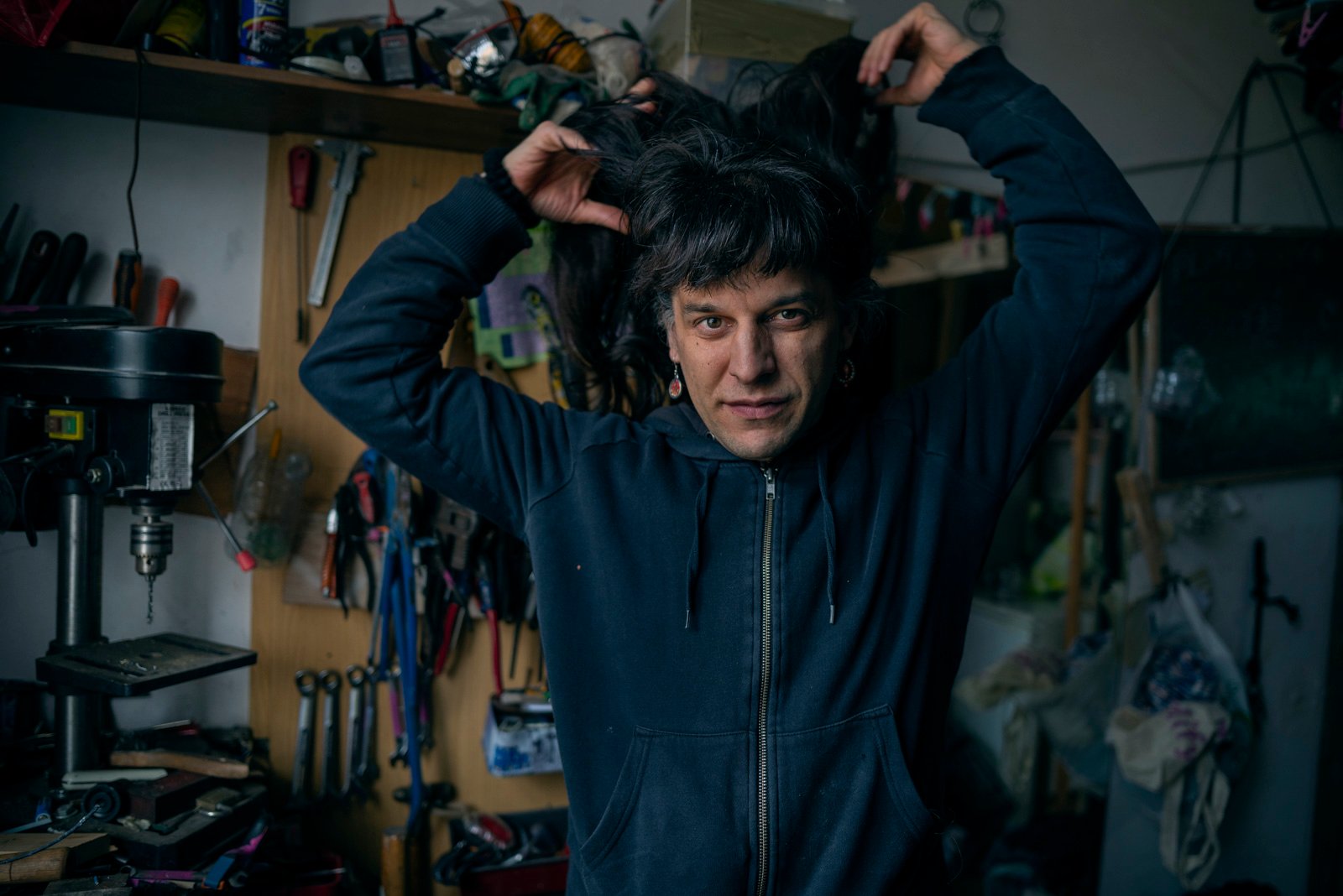
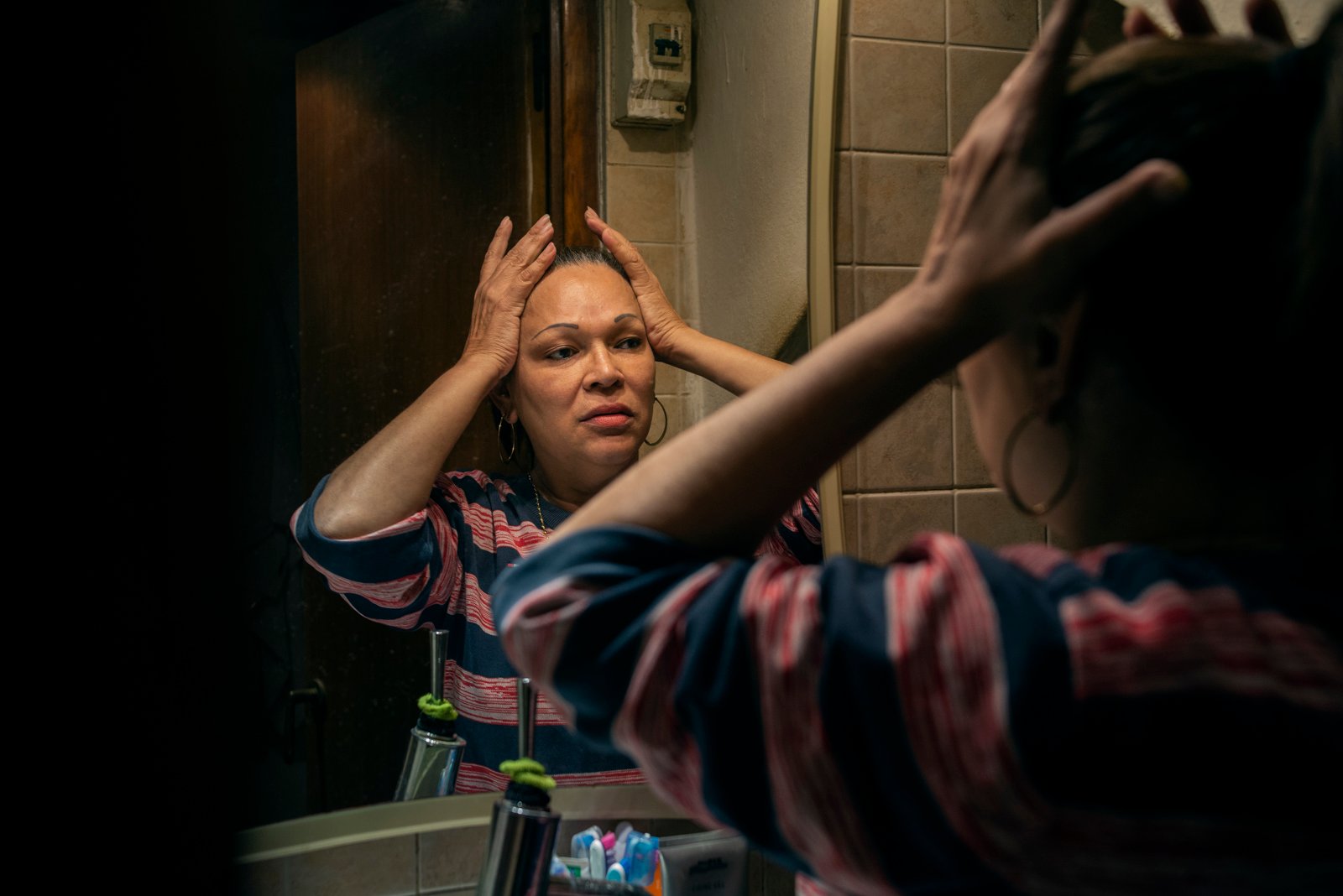
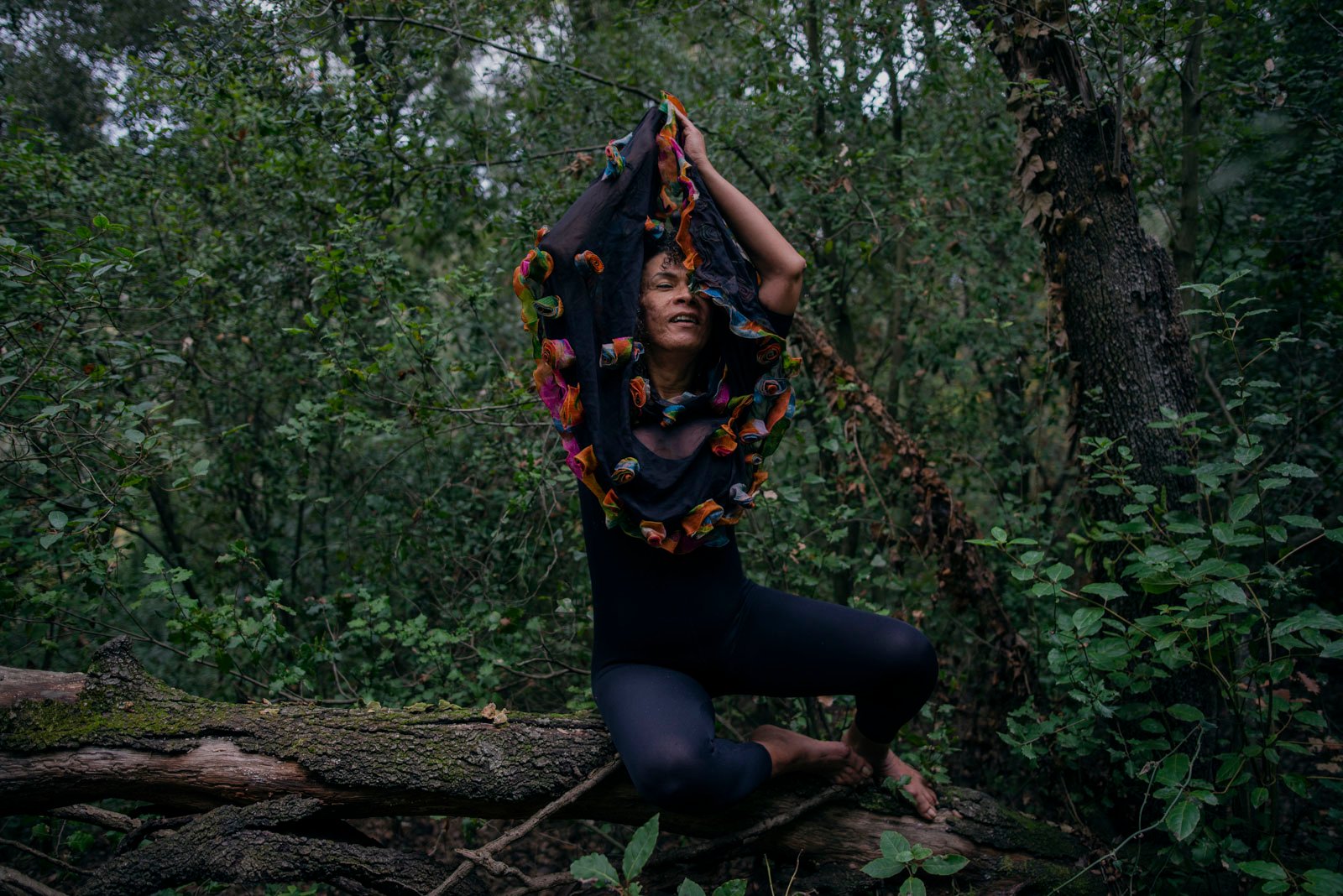
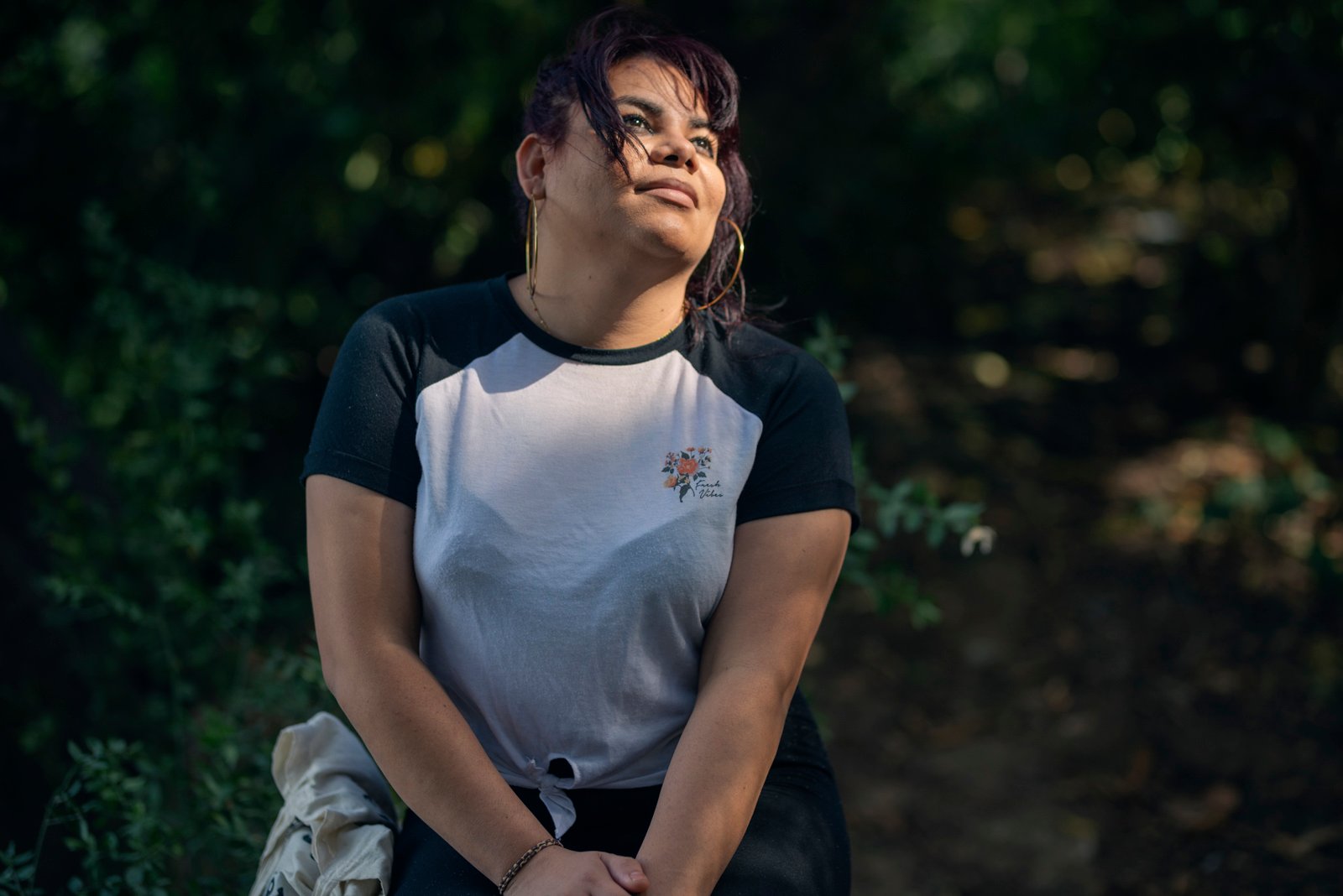
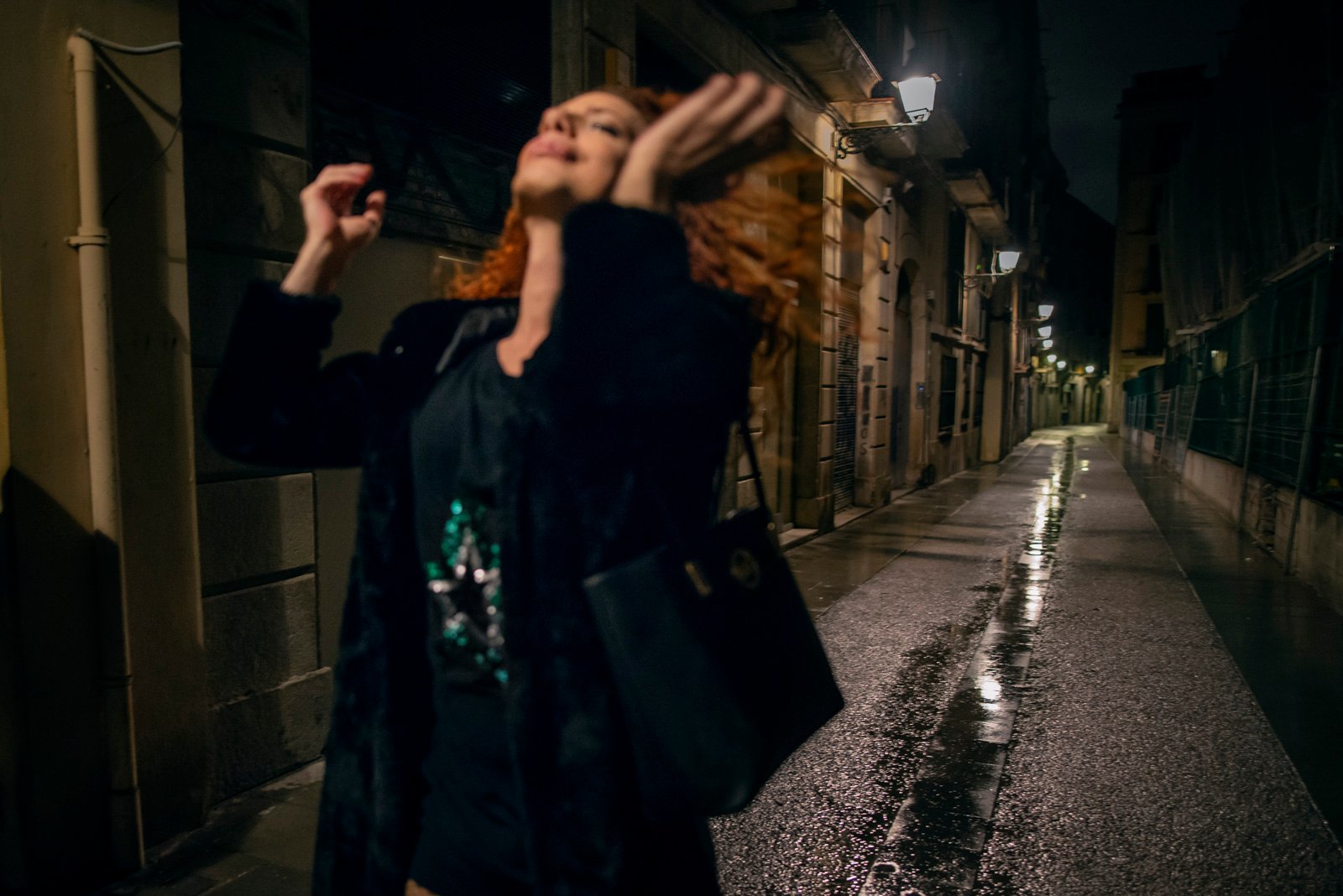
TRANS-FORMA was born from a participatory photography project with seven trans women. Through their images and words, they share what concerns them and what they wish the world to see: the deconstruction of an imposed identity, the building of one’s own, the experience of isolation — sometimes chosen, often imposed — and the need to reclaim public space with pride and presence.
Above all, TRANS-FORMA speaks of the courage to exist, of the audacity to be who they truly are. Their intimacy becomes a political space — a space of resistance, self-definition, and shared freedom.
Their struggle, and their gaze, make us all freer.