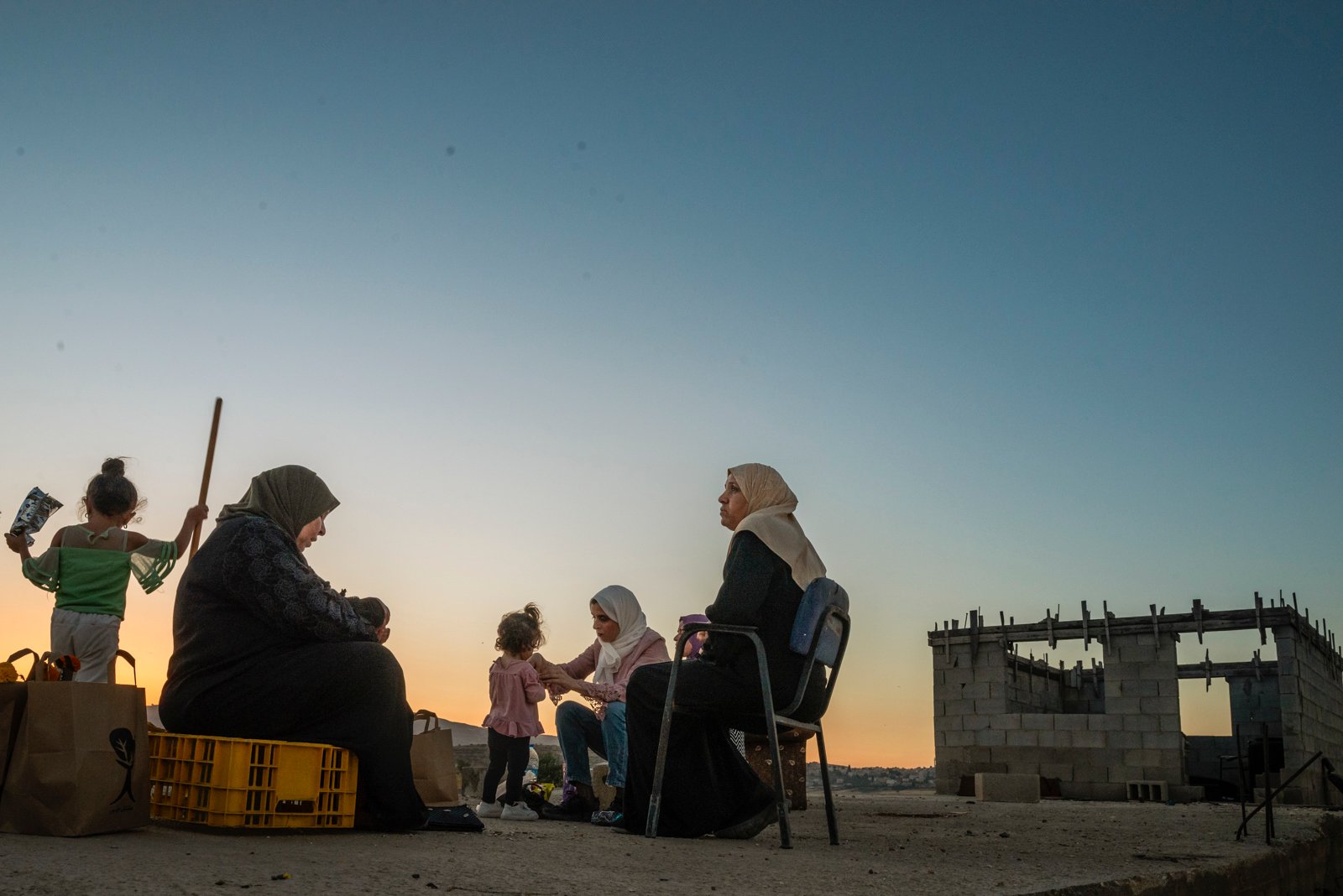
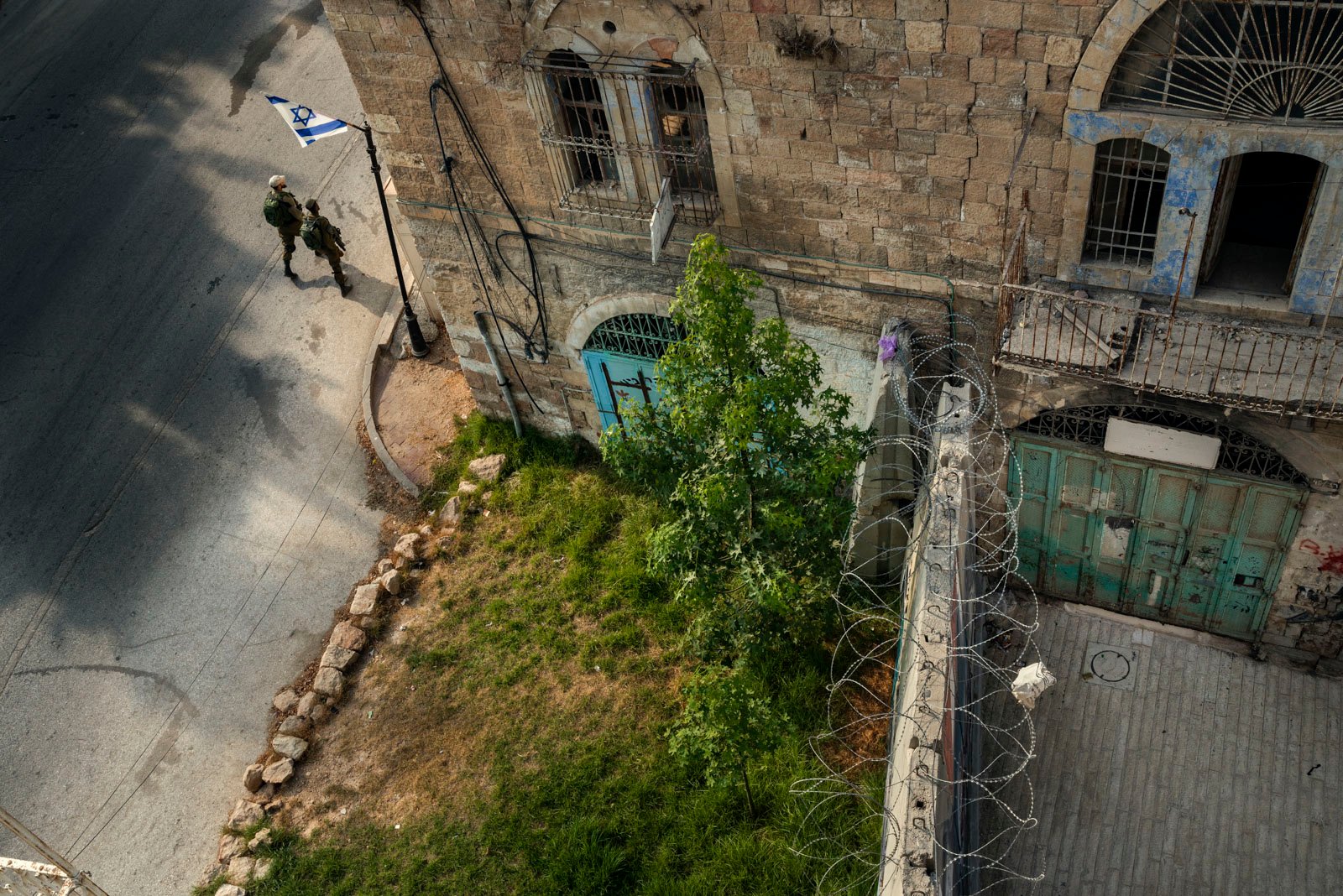
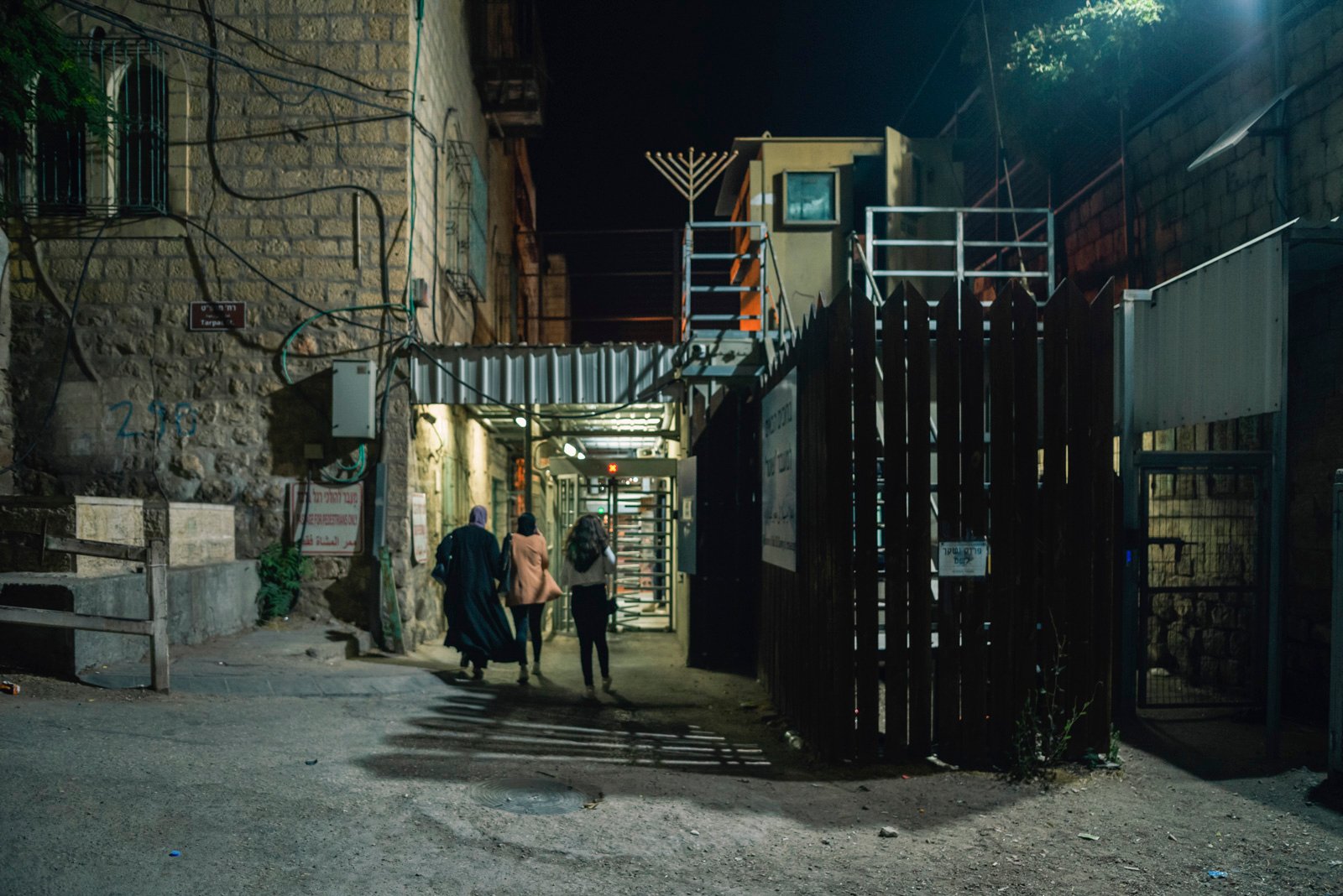
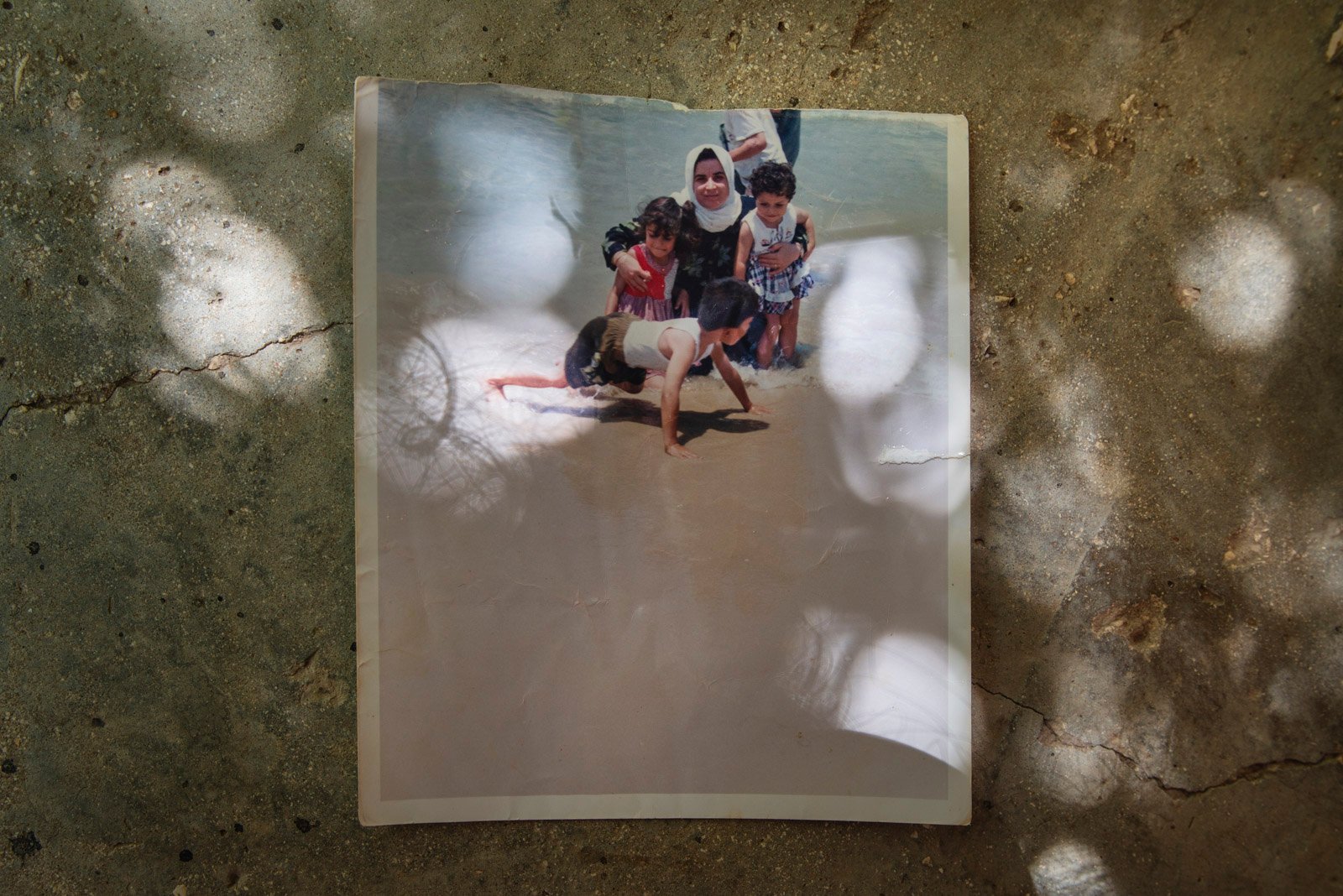
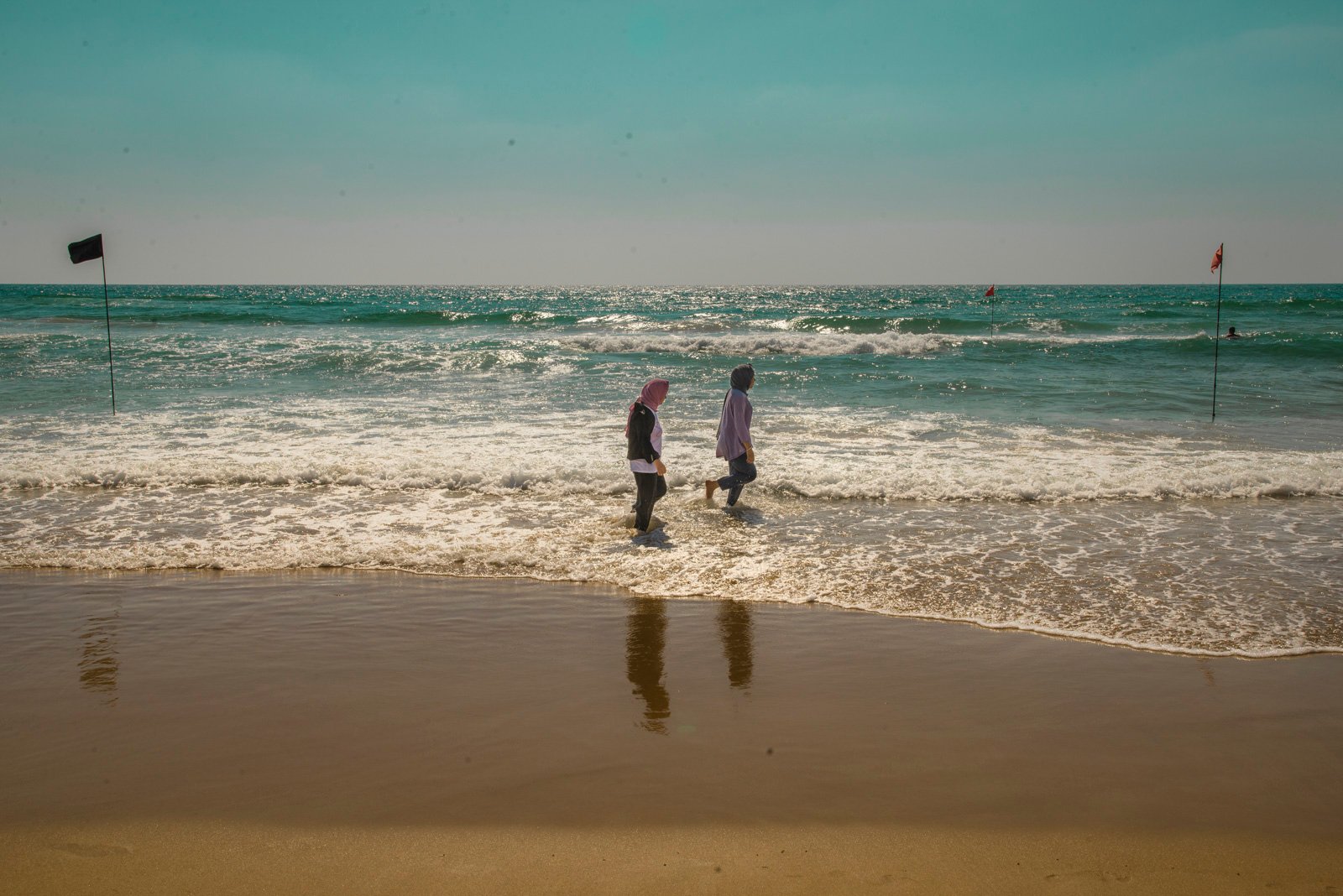
Amid headlines and media coverage of the genocide in Palestine, another narrative emerges from the margins: one woven with courage and determination by Palestinian women, beyond the spotlight of cameras.
The struggle for Palestinian national liberation has often been represented through images of men confronting militarized forces in the streets—a struggle that takes place mainly in the public sphere, largely dominated by men. But where are the Palestinian women?
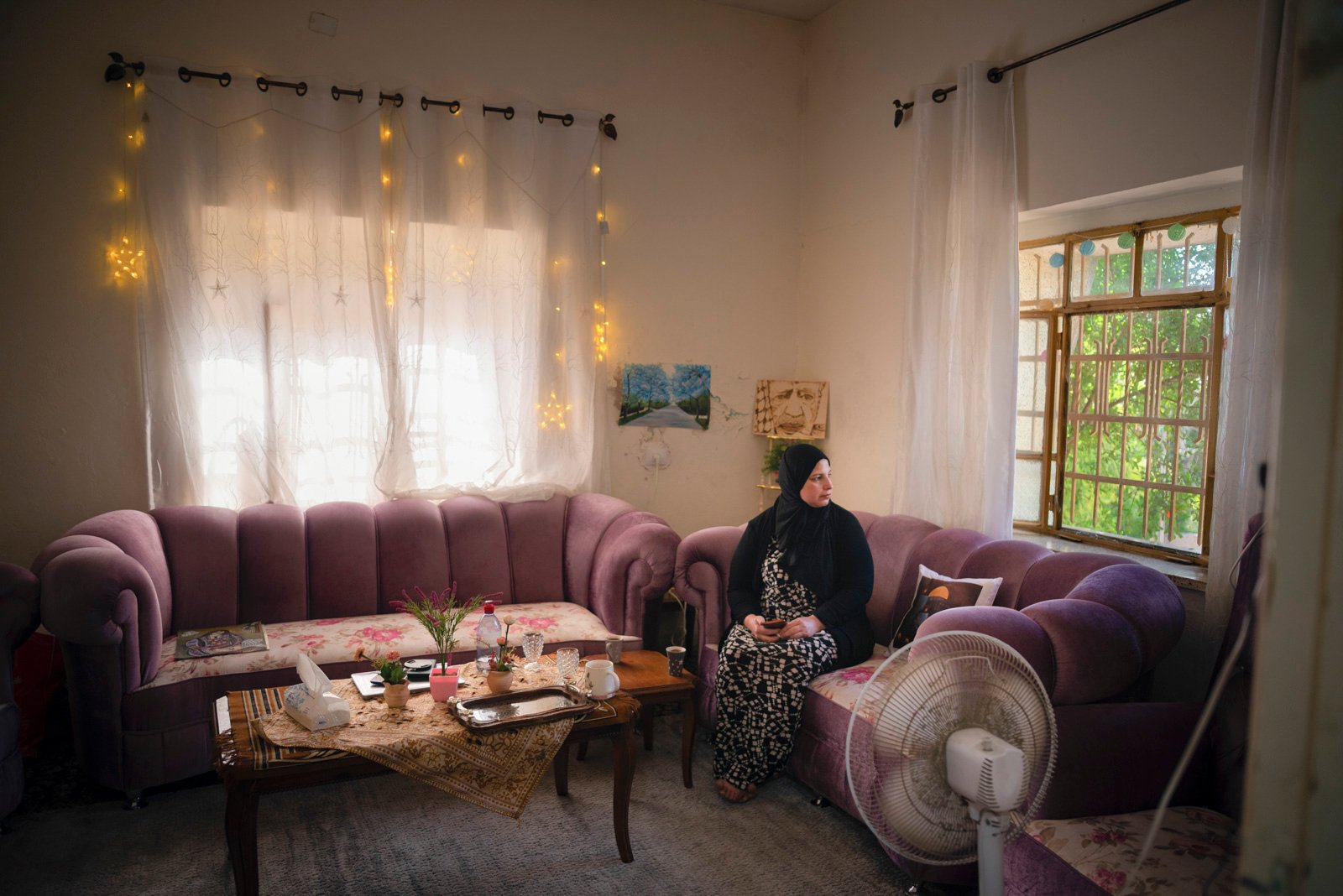
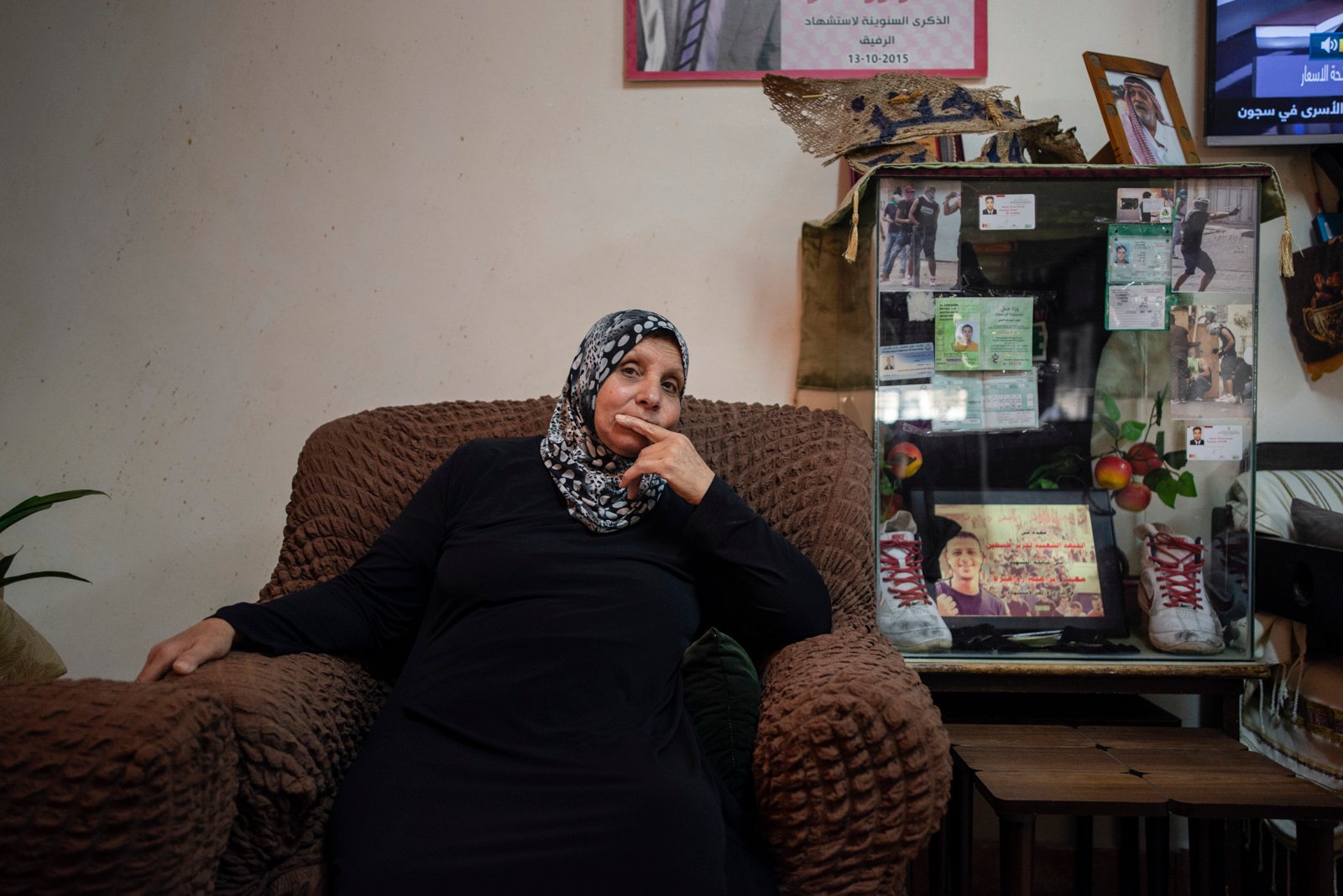
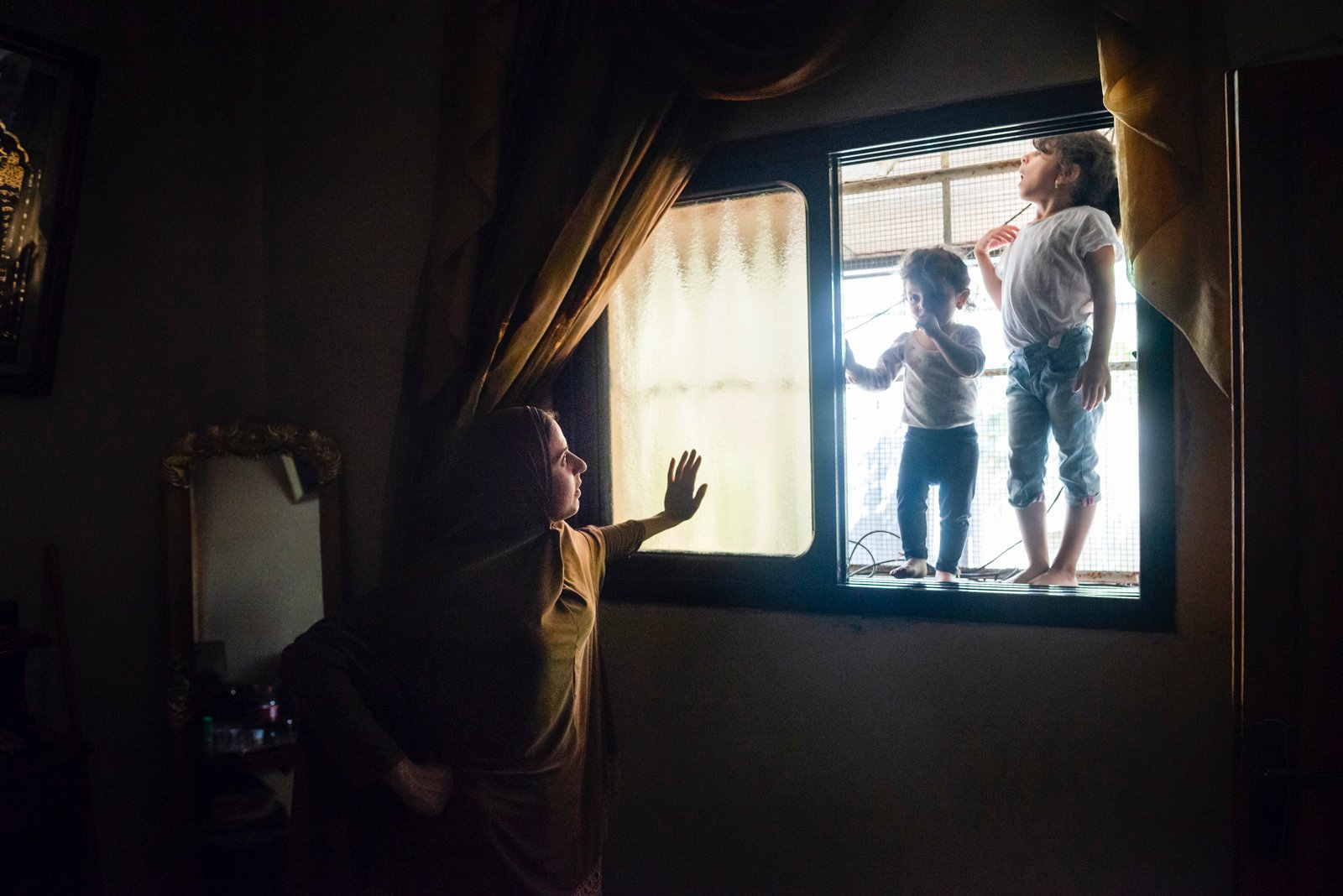
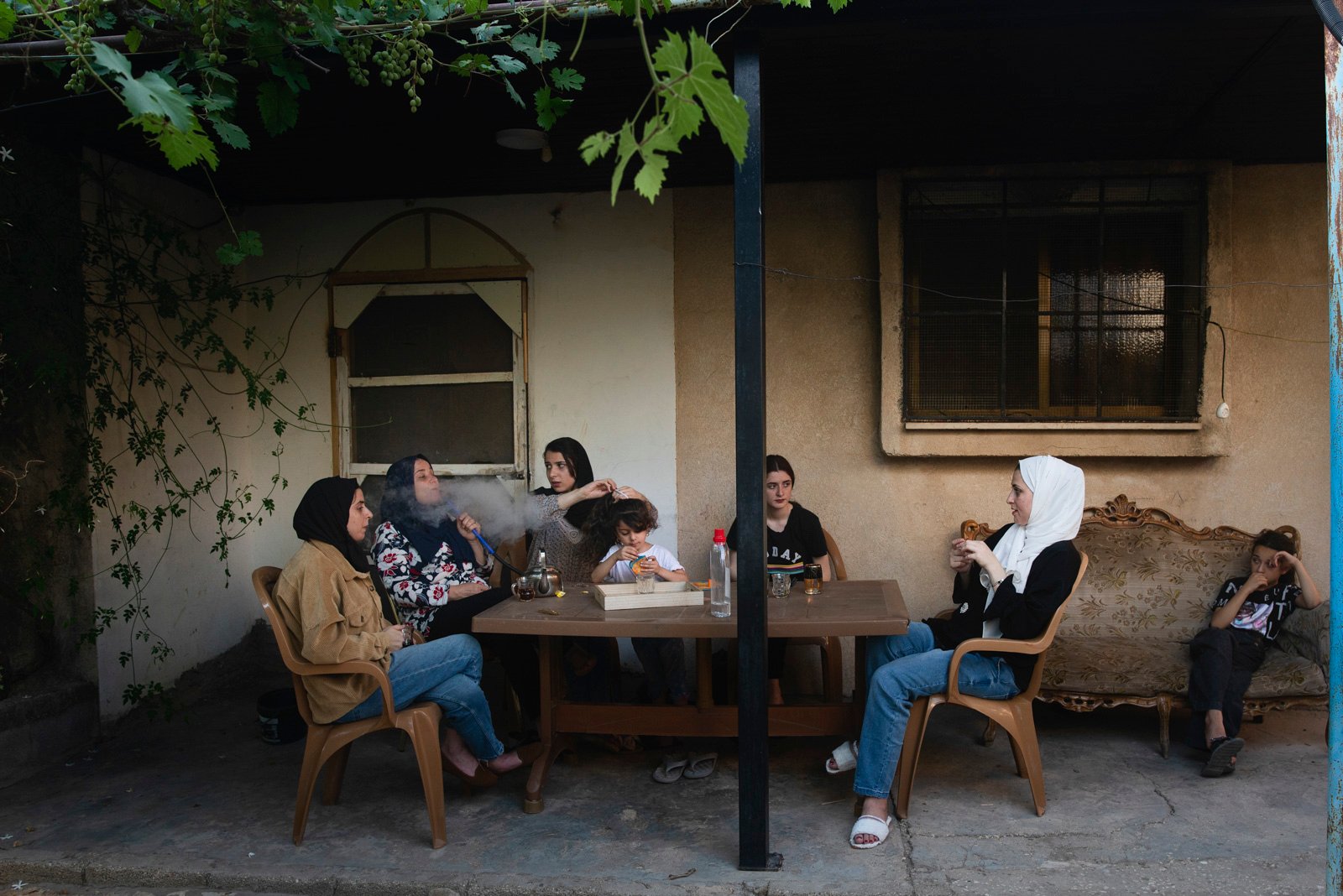
They face a double occupation: that of the Israeli state and that of their own bodies under patriarchy, which subordinates their needs and interests to the national cause. Their role as caregivers and emotional pillars becomes even more visible in the face of the constant imprisonment and killing of husbands, brothers, and sons. Their invisible resistance takes root in domestic and family spaces, but it also crosses boundaries into male-dominated arenas: economic, political, and educational.
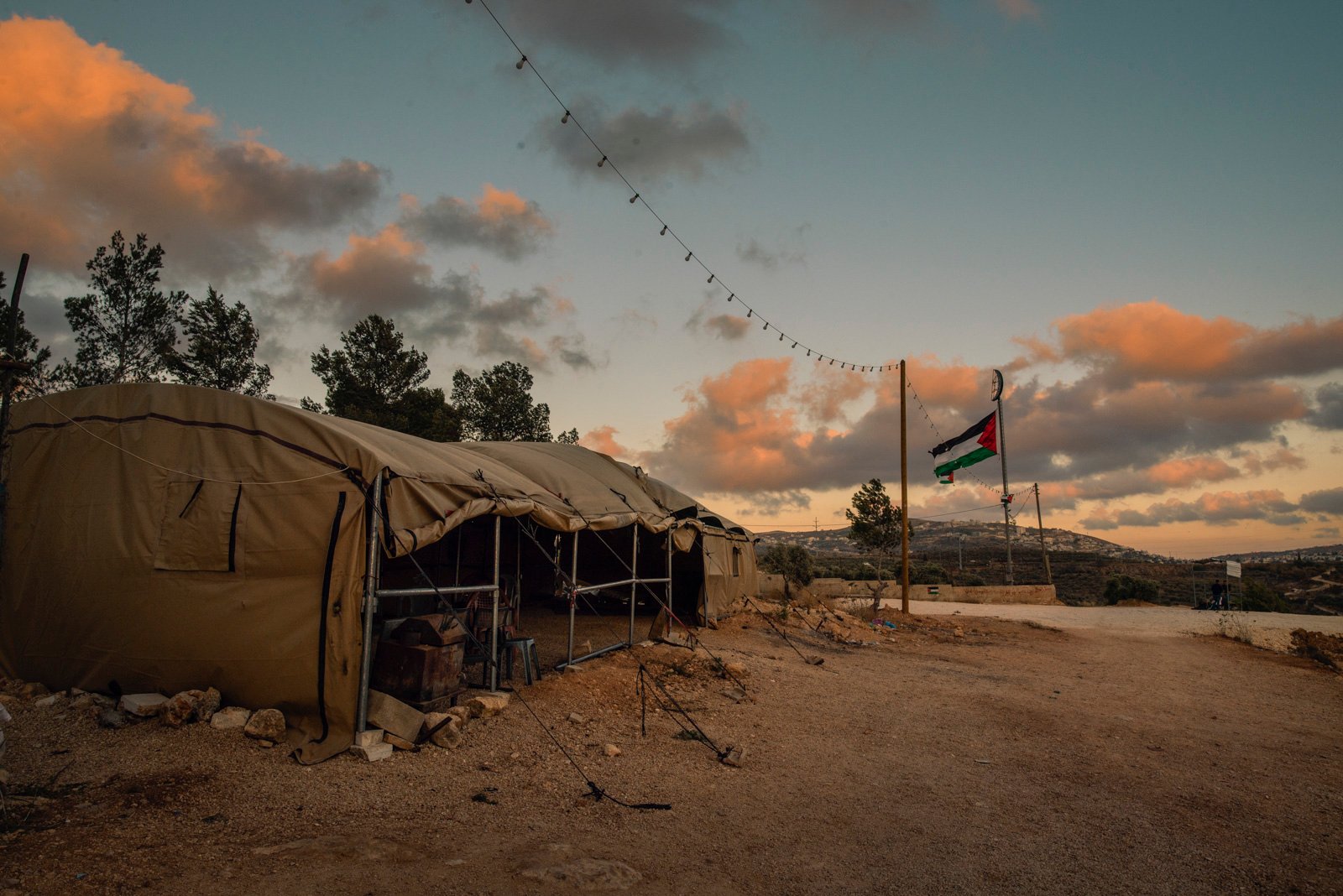
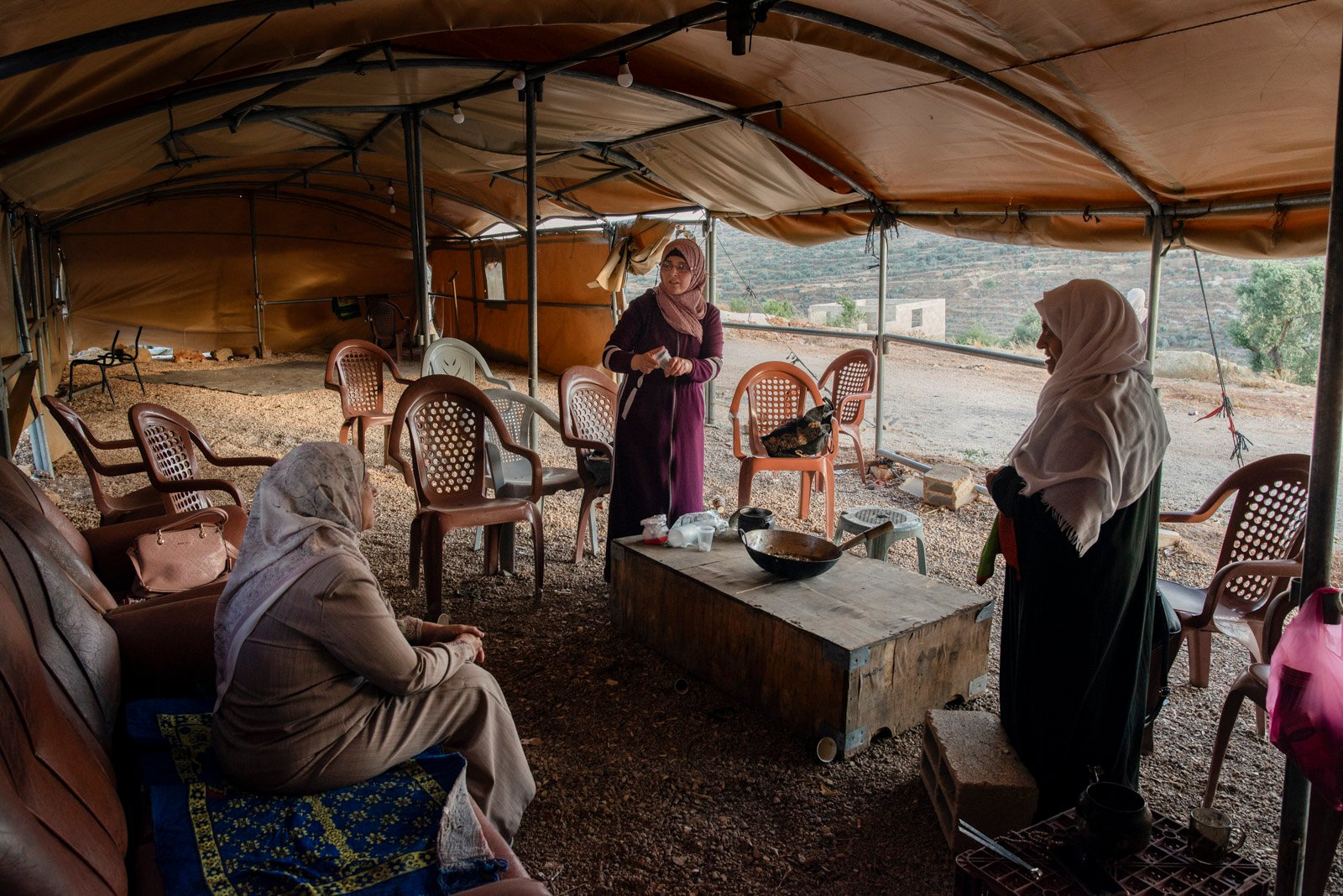
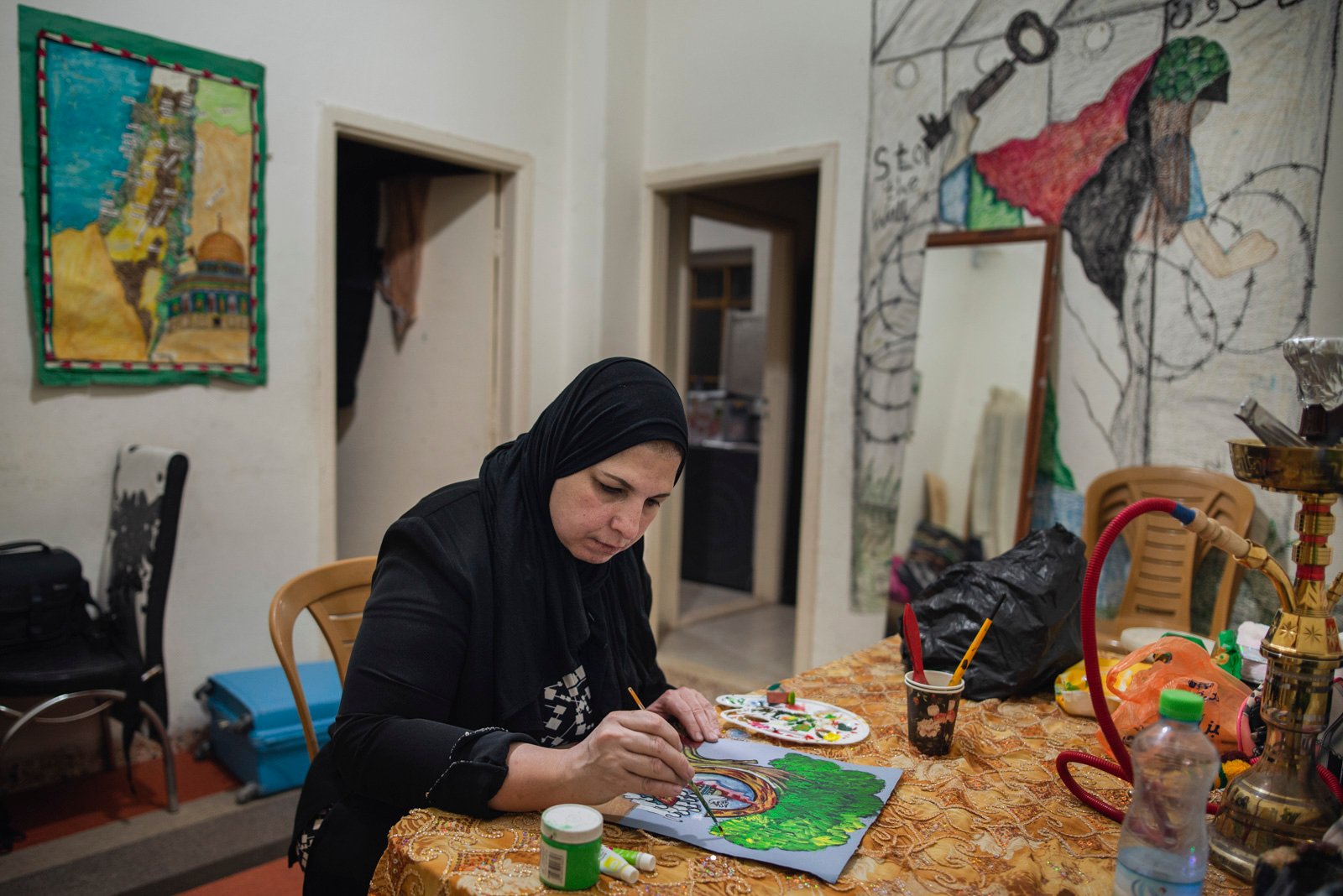
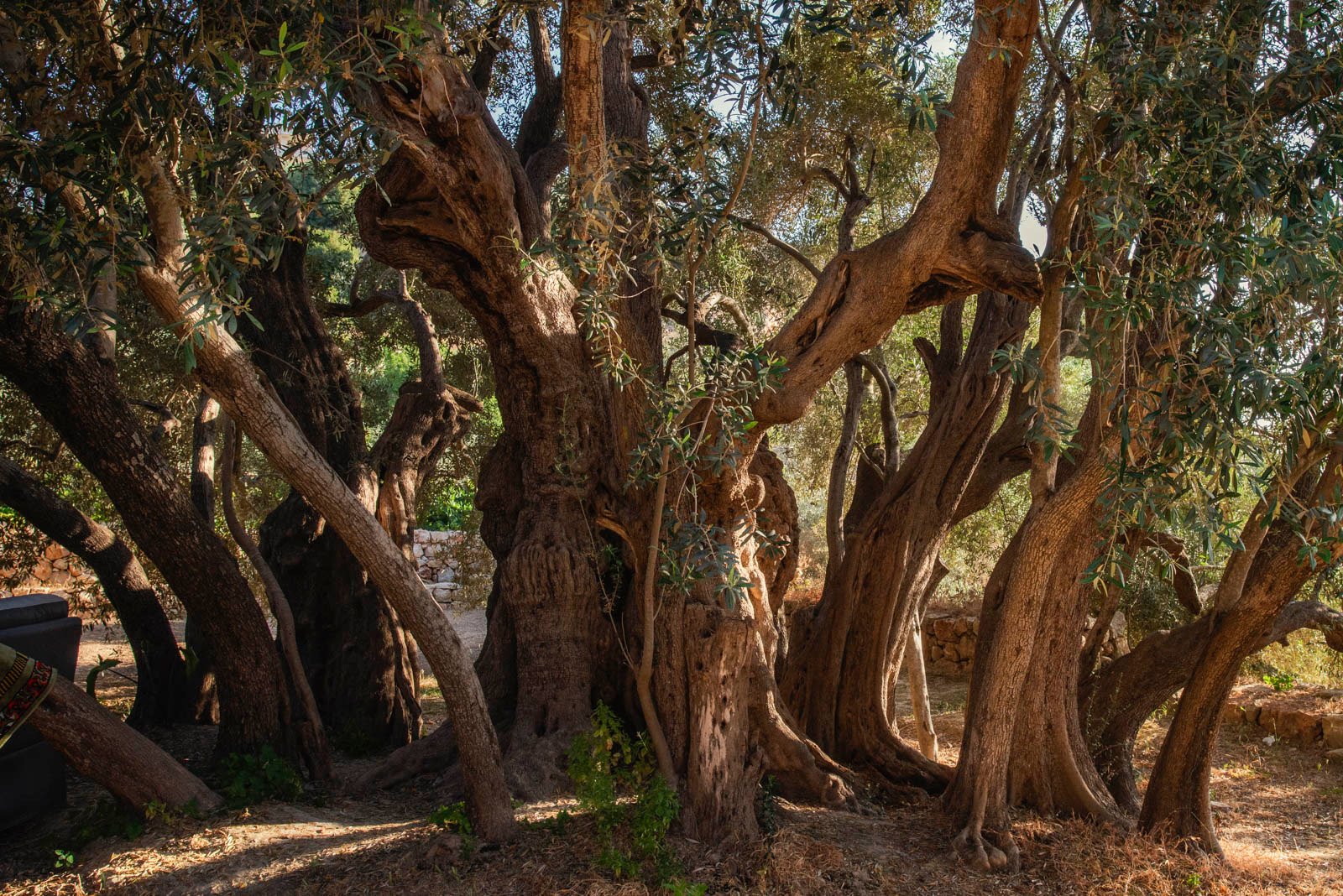
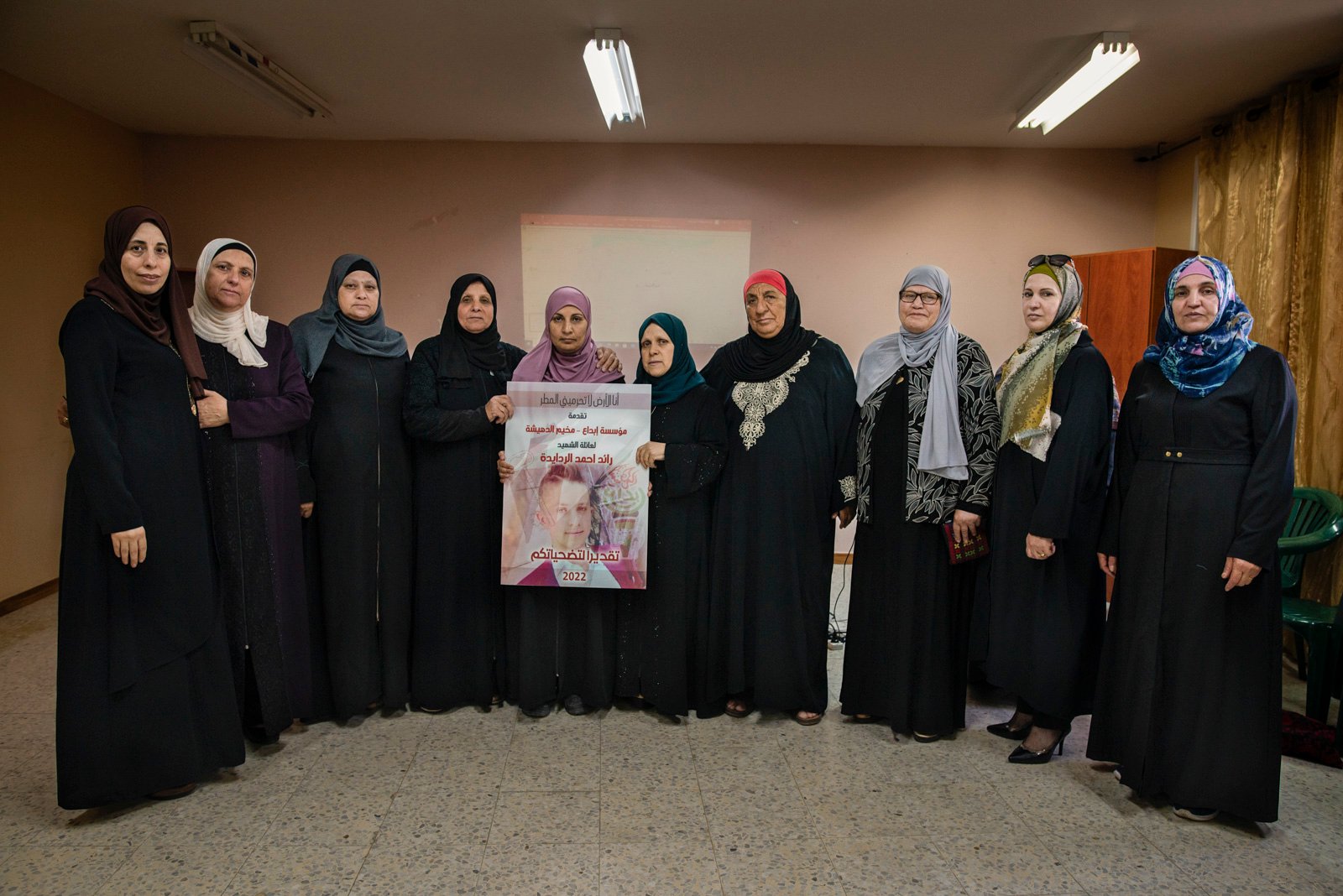
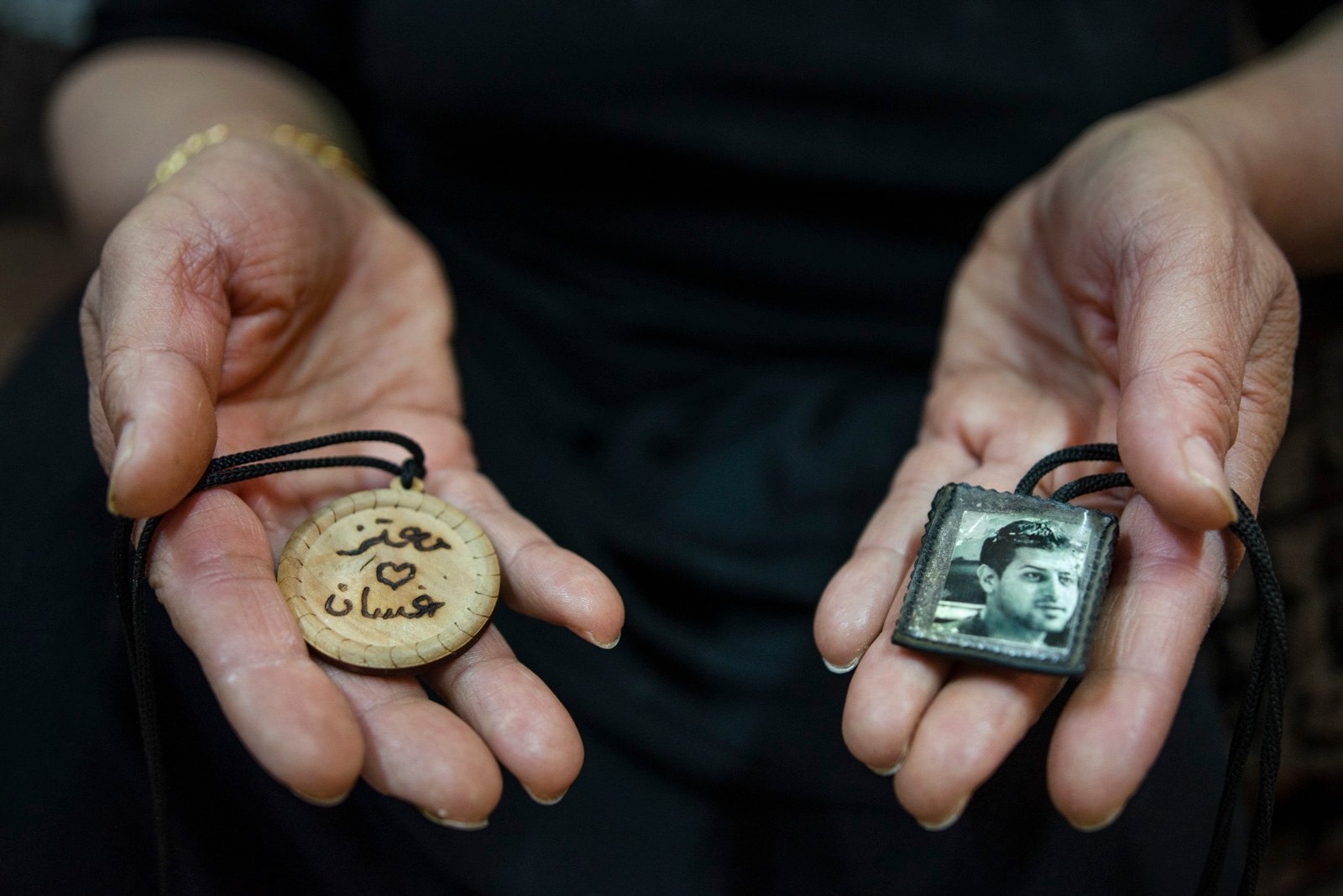
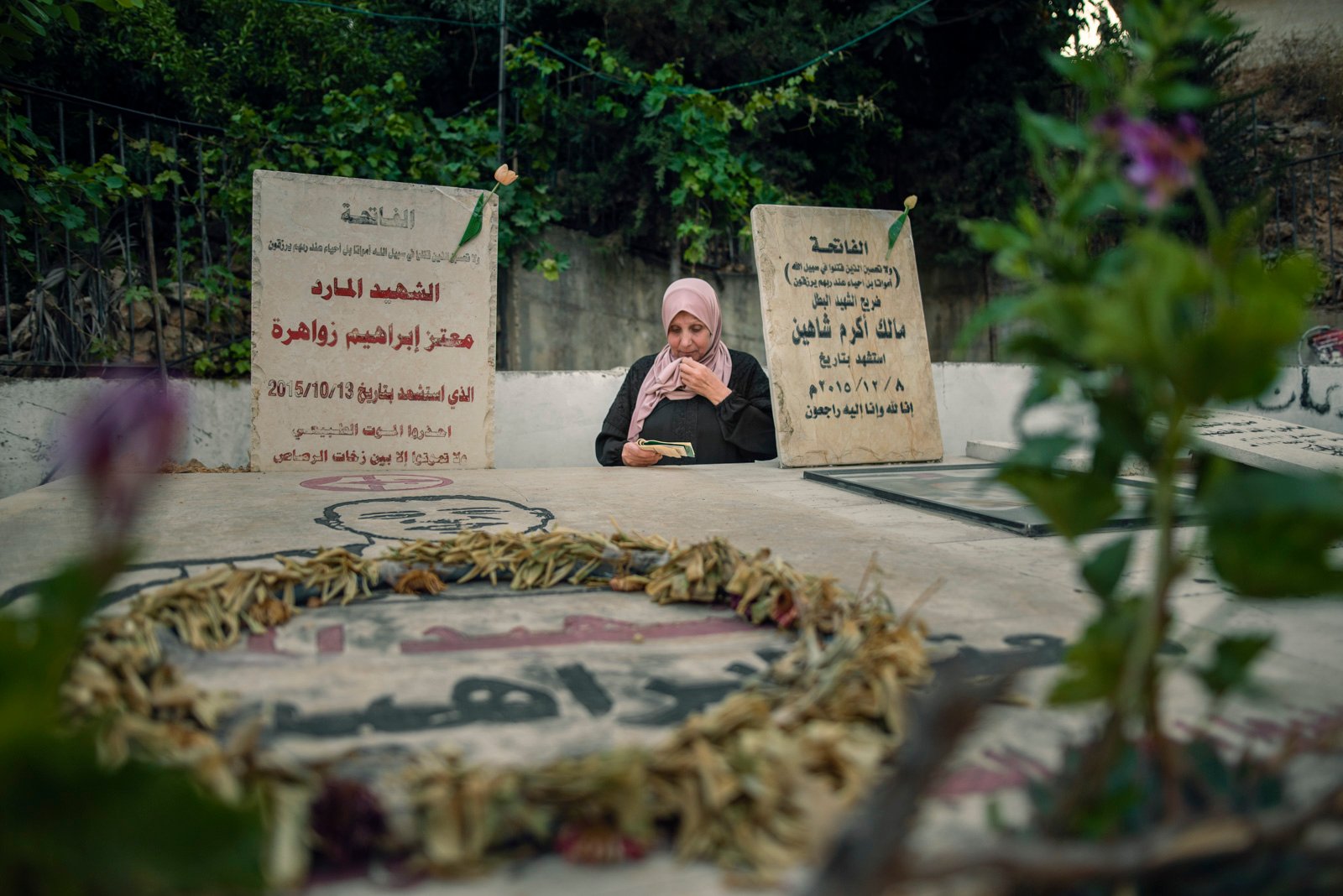
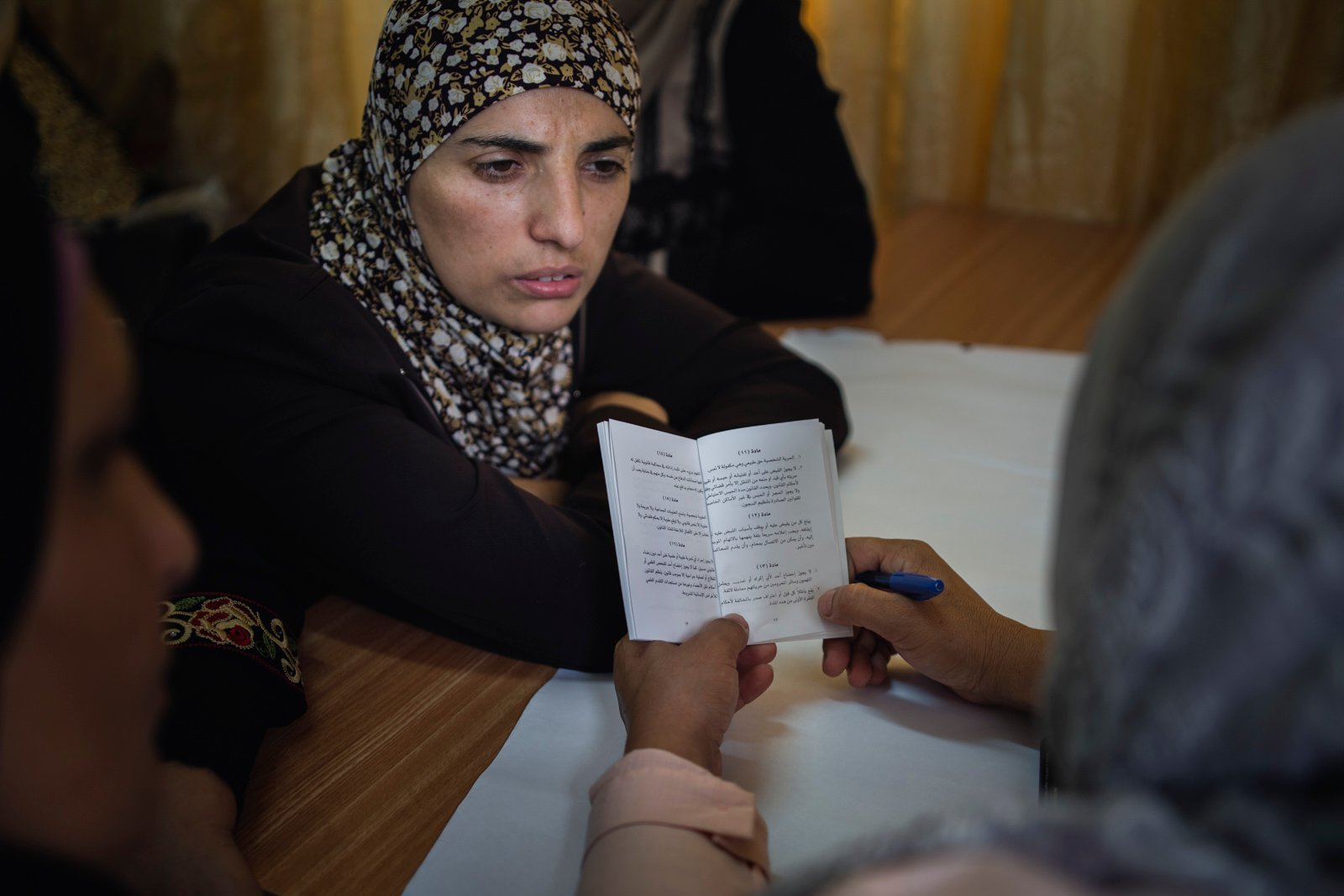
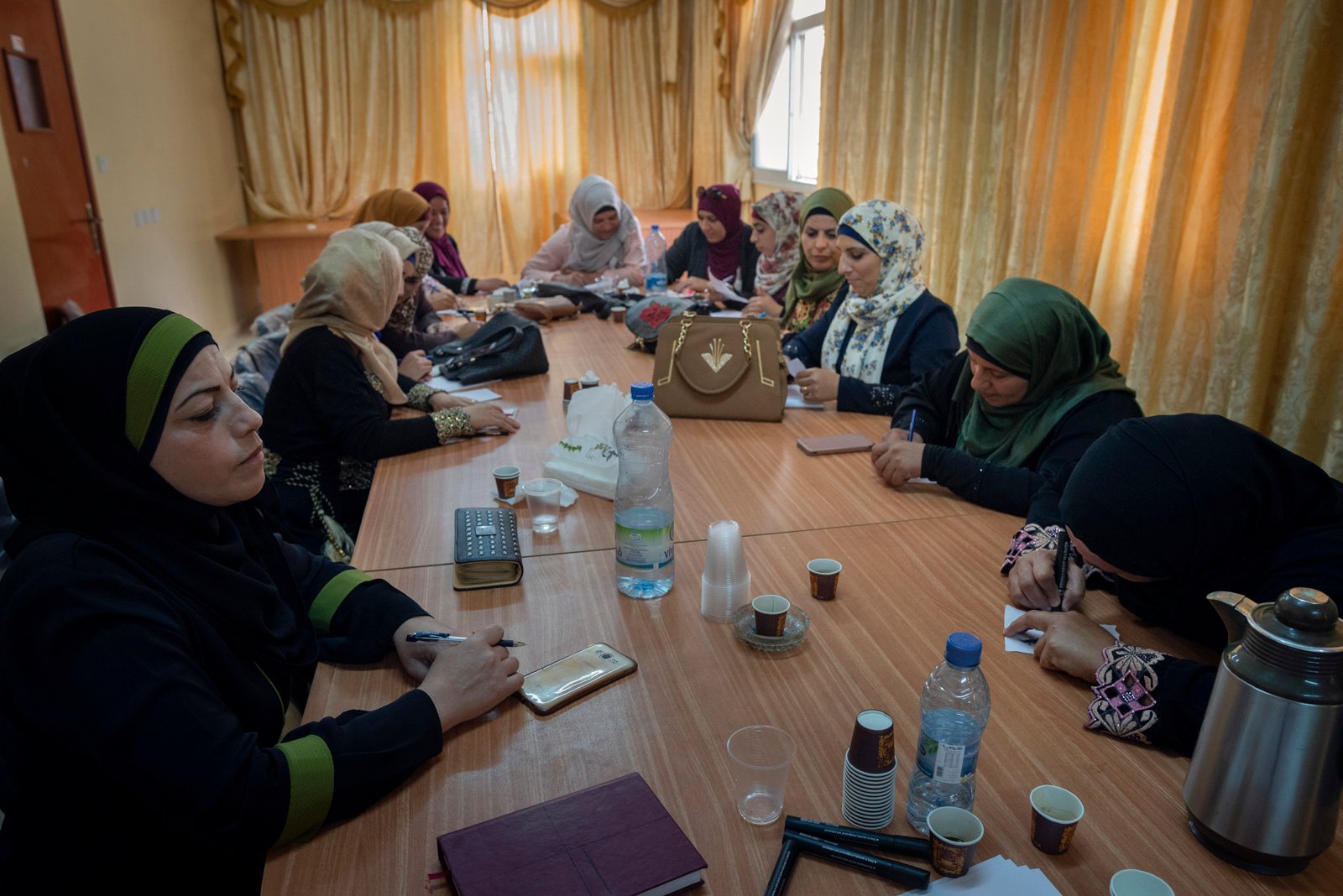
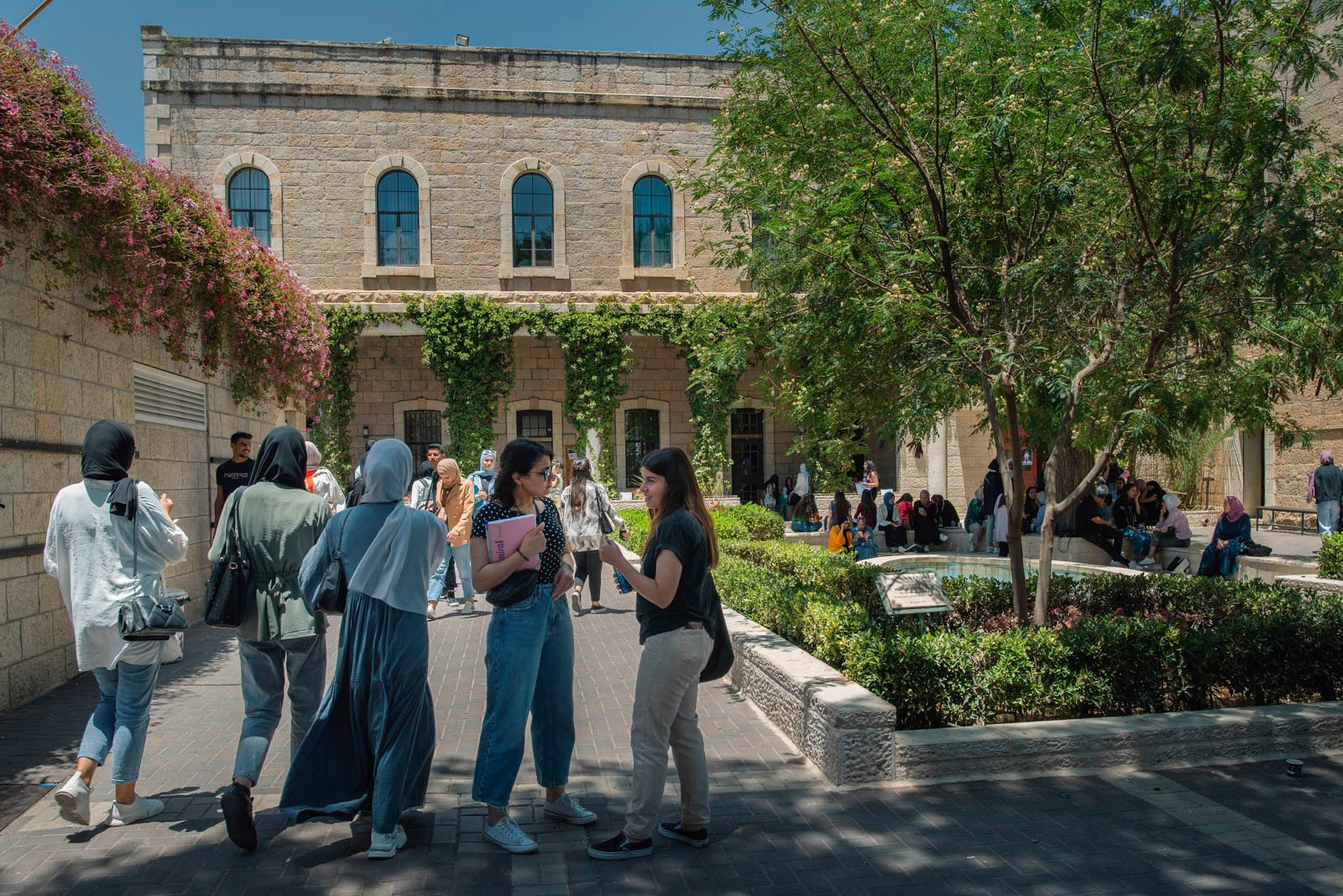
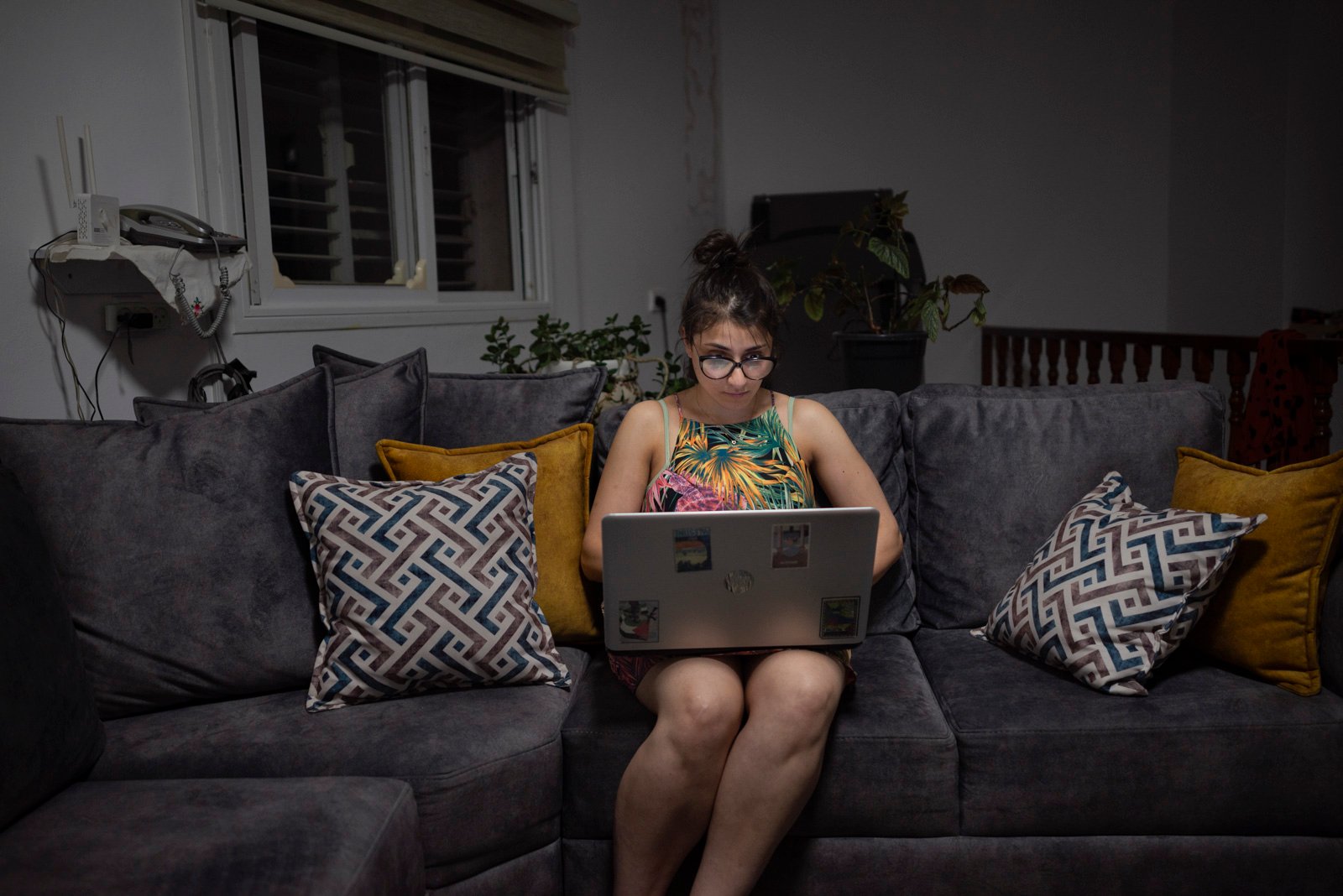
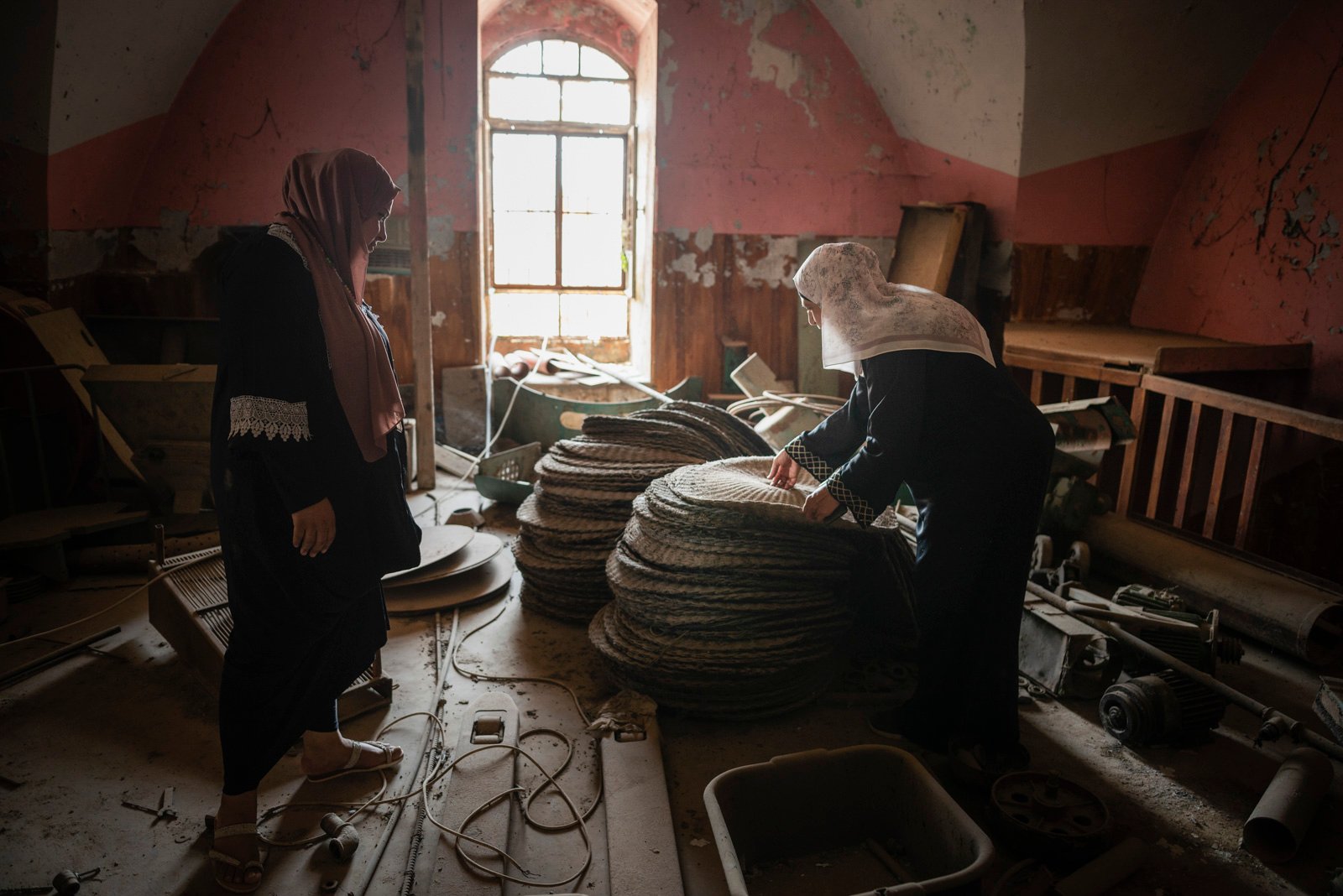
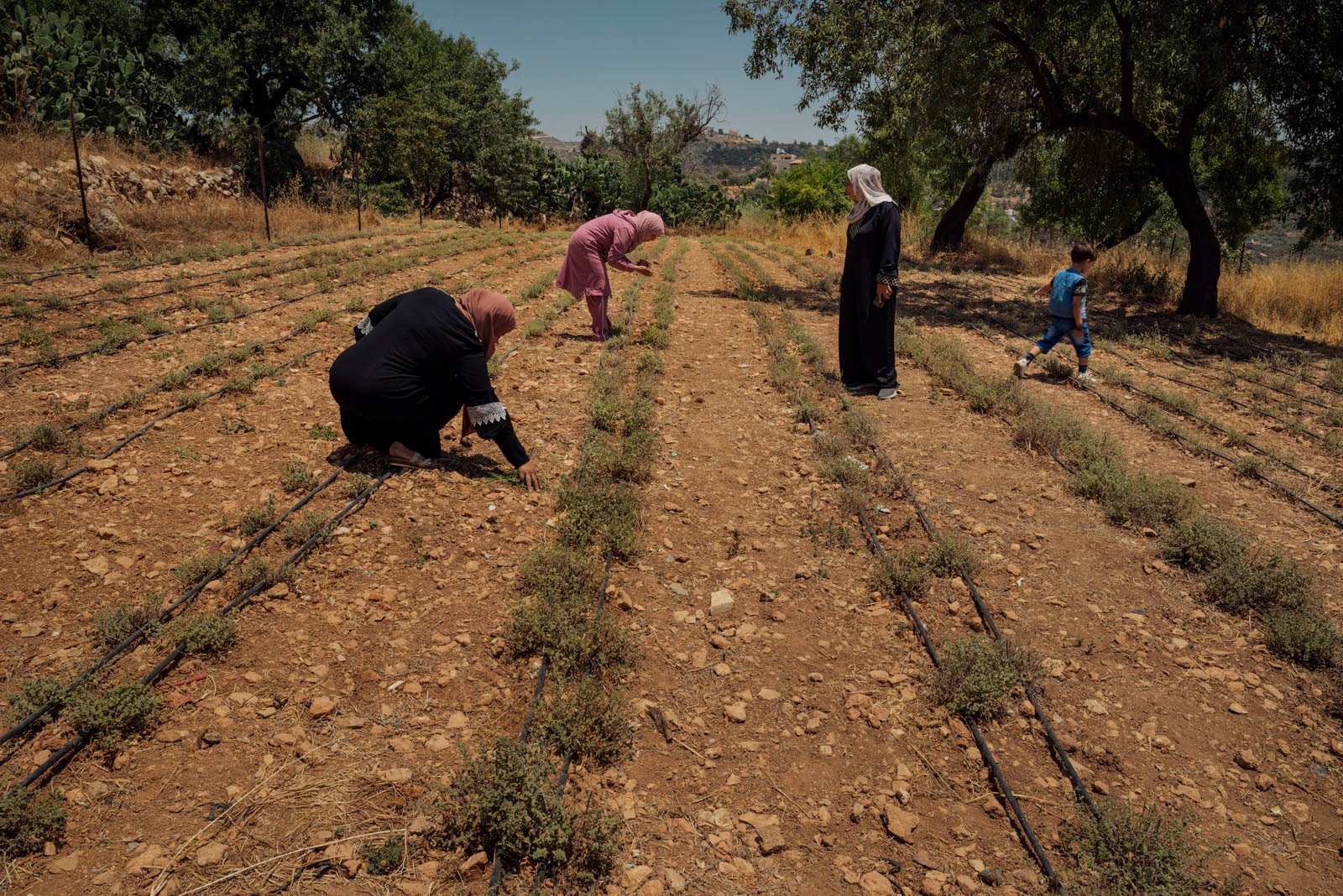
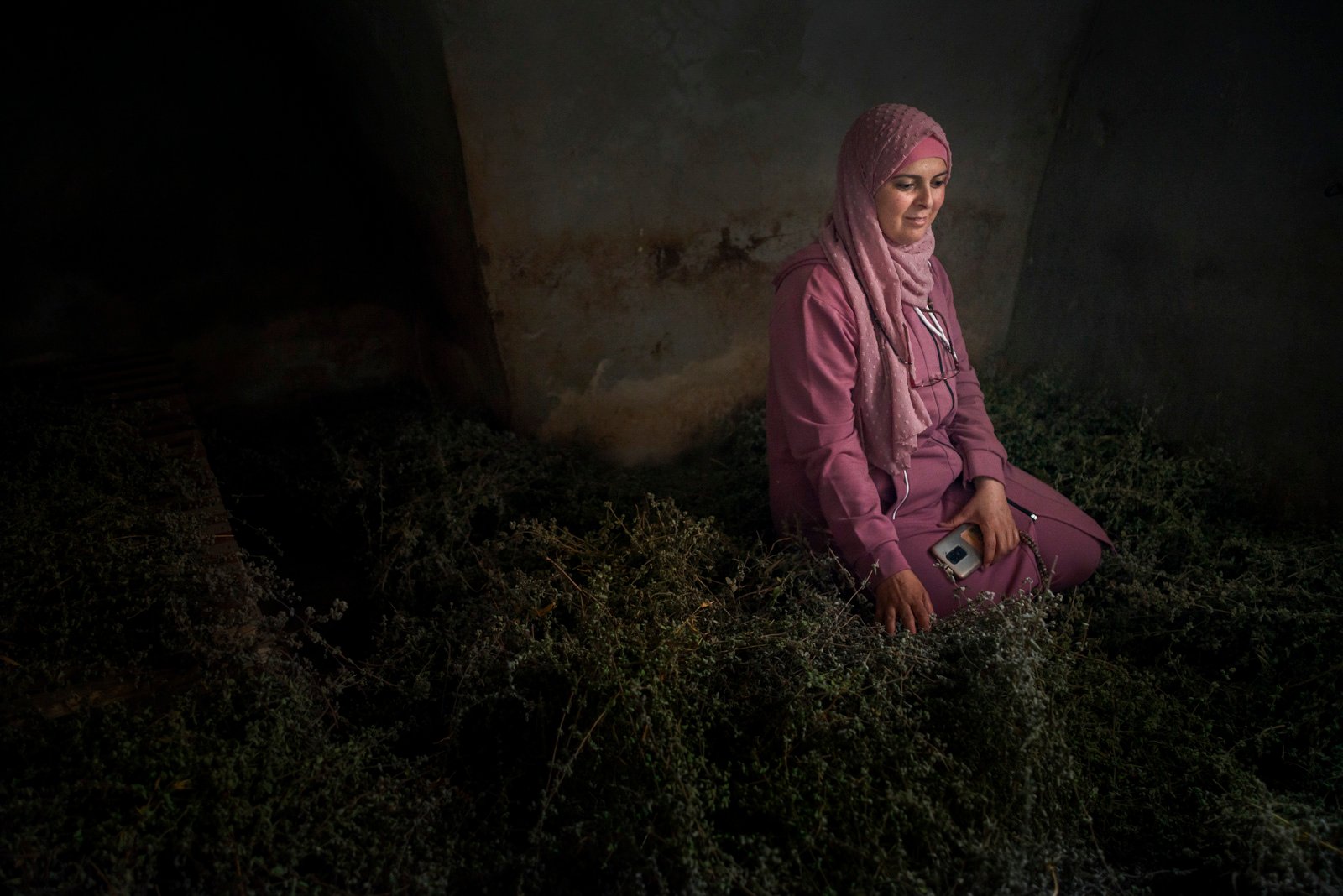
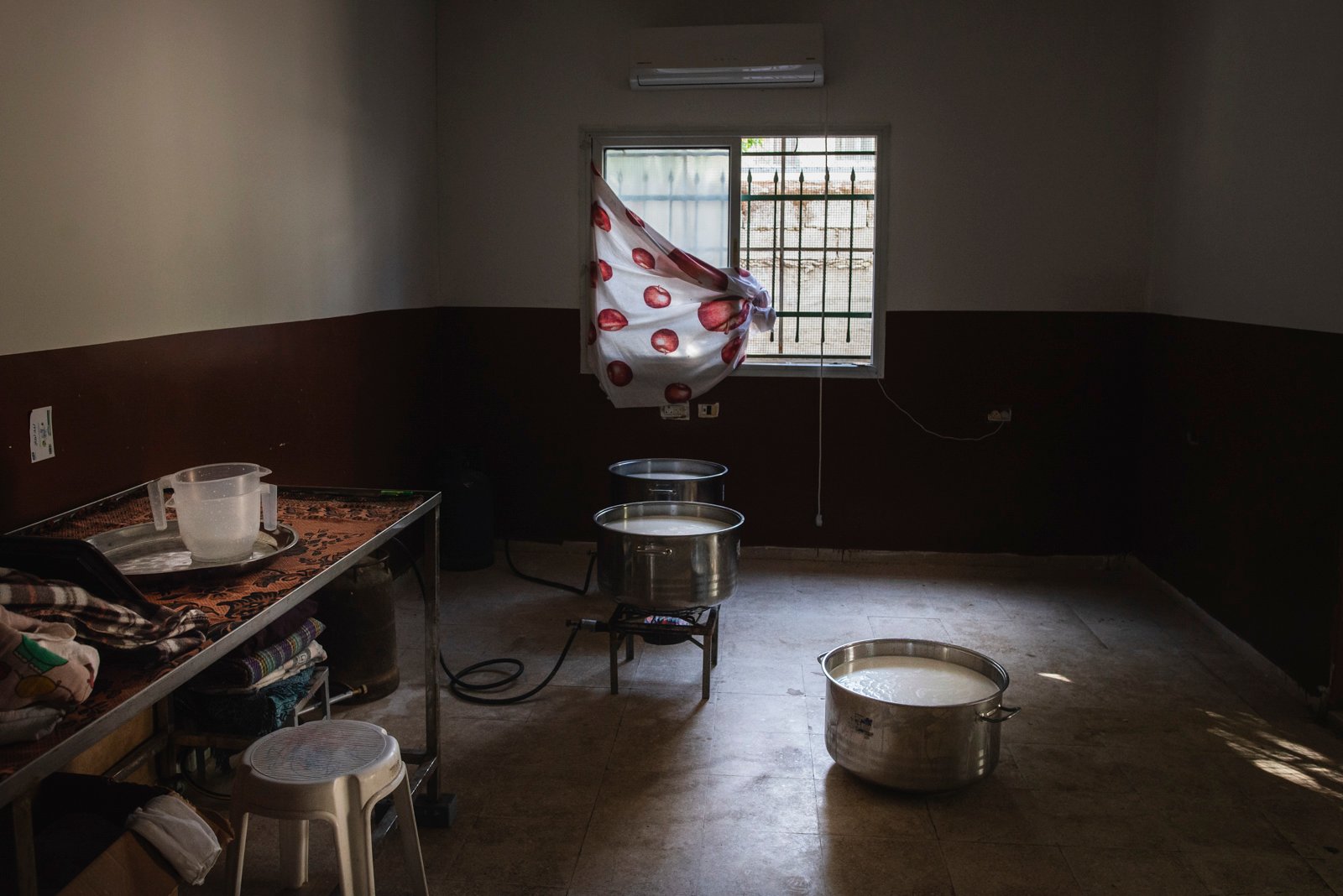
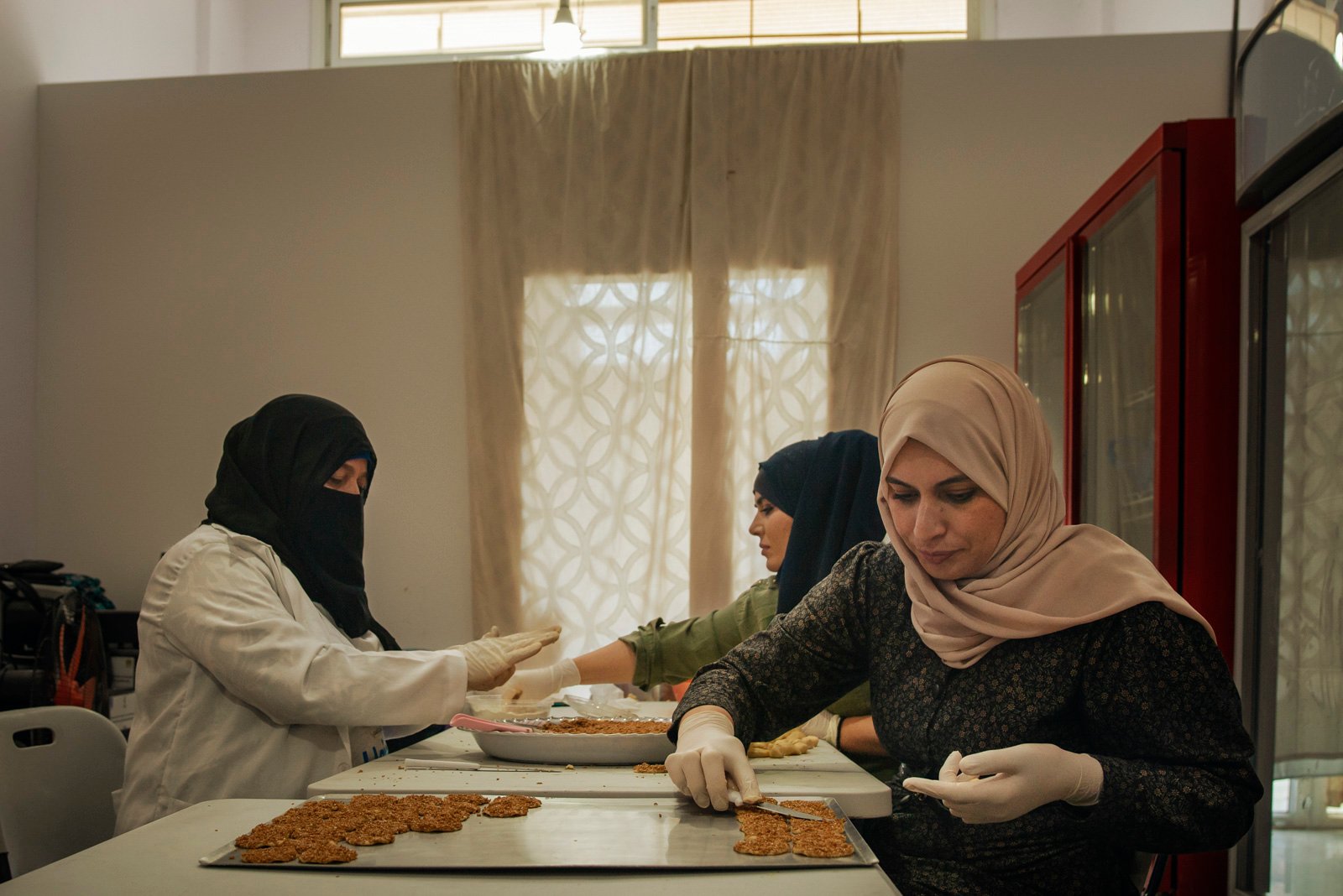
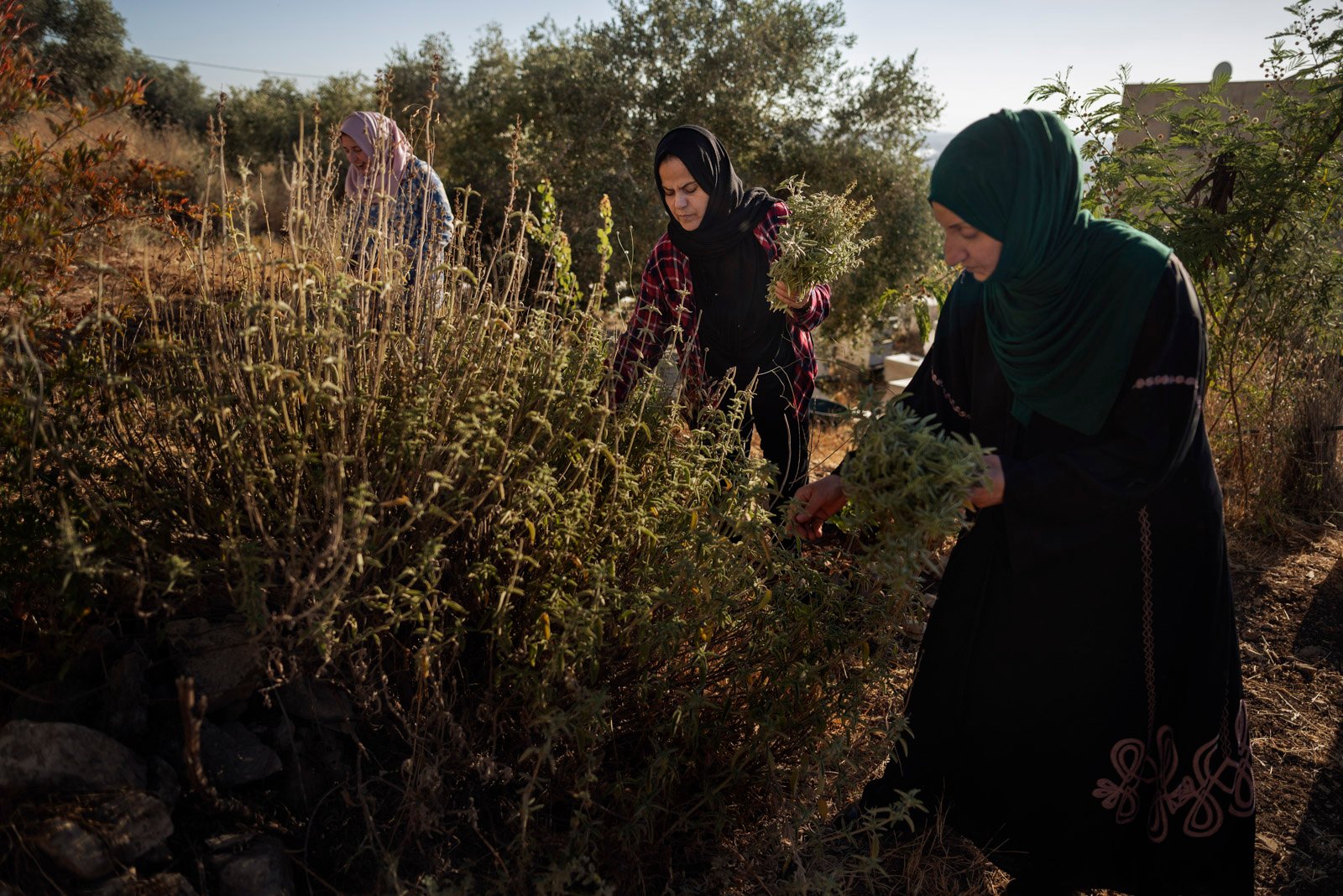
This project embraces the feminist perspective that “the personal is political,” exploring the intimate spaces of women and amplifying stories too often silenced. It echoes the Palestinian principle “to resist is to exist”: women from Beita who self-organize to provide logistical support for a resistance camp; a painter from Hebron who channels the daily harassment of living in a prison city through art; women who safeguard cultural identity by founding a museum dedicated to olive oil; solidarity networks among the relatives of martyrs who process grief collectively; women pursuing political change, higher education, or university studies; women who resist from their homes in the face of settler and military incursions; and women who create cooperatives—powerful tools of collective empowerment and alternatives to Israeli products.
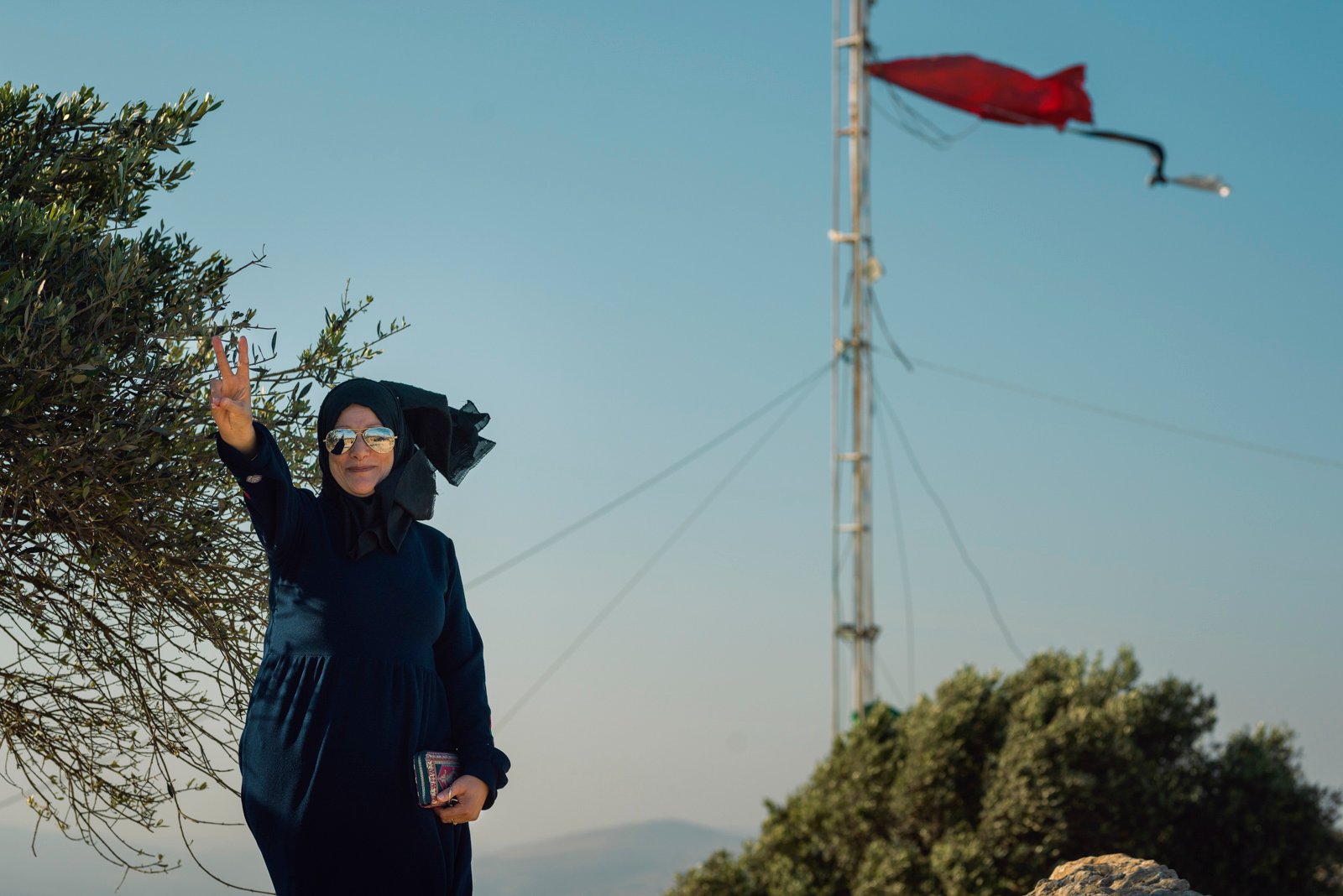
Within this apparent invisibility, Palestinian women are building a movement that challenges the status quo. A resistance born from the steadfast silence of women who refuse to be reduced to victims—women determined to write their own future and to lead the path toward a free Palestine. Because a liberated Palestine cannot exist without its women, nor will Palestine ever be fully free until they are.