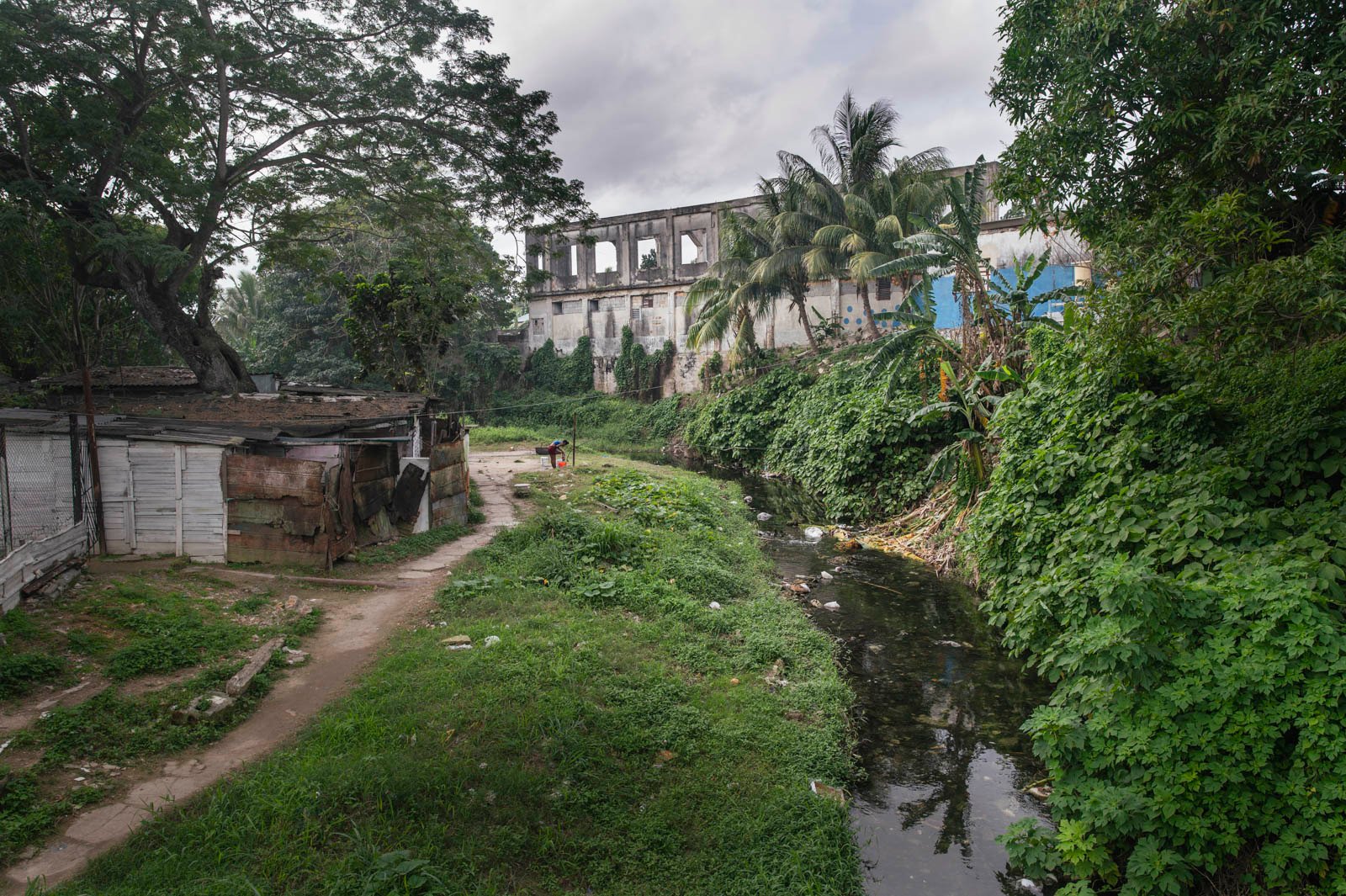
Cuba is living through a profound crisis — economic, ideological, and moral.
The country that once devoted decades to building a non-capitalist model of society now finds itself opening, perhaps reluctantly, to the unstoppable tide of neoliberal logic.
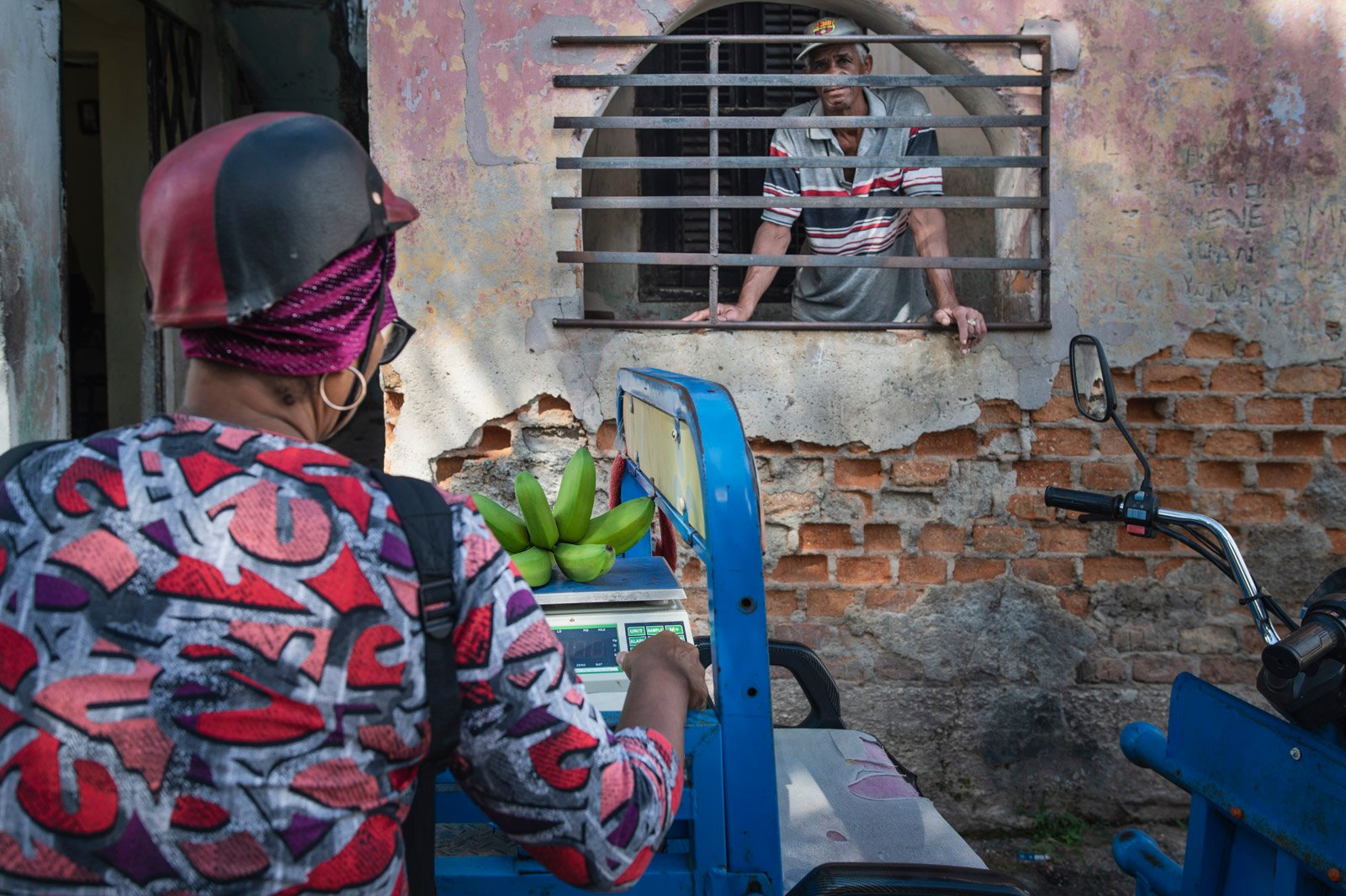
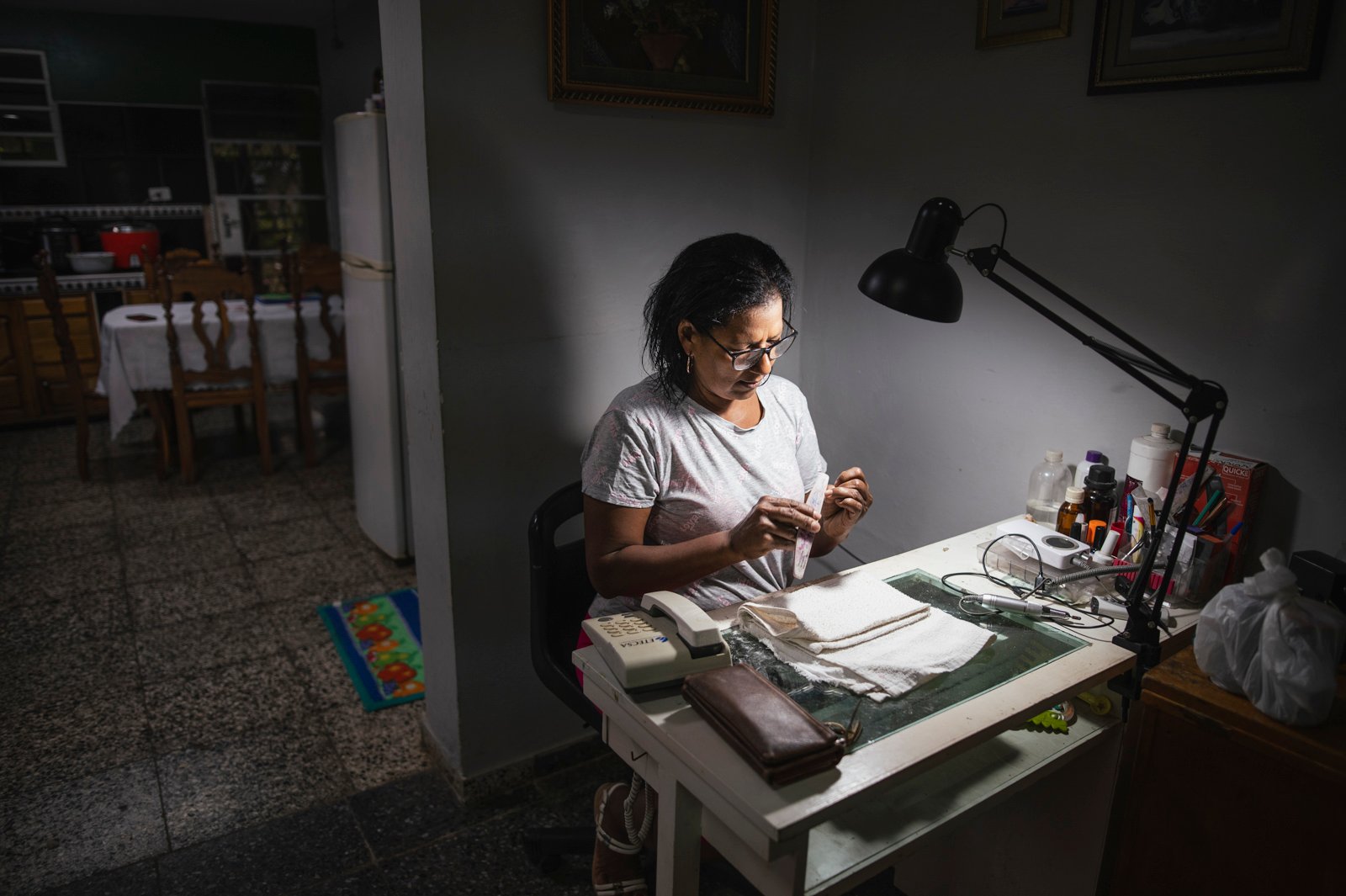
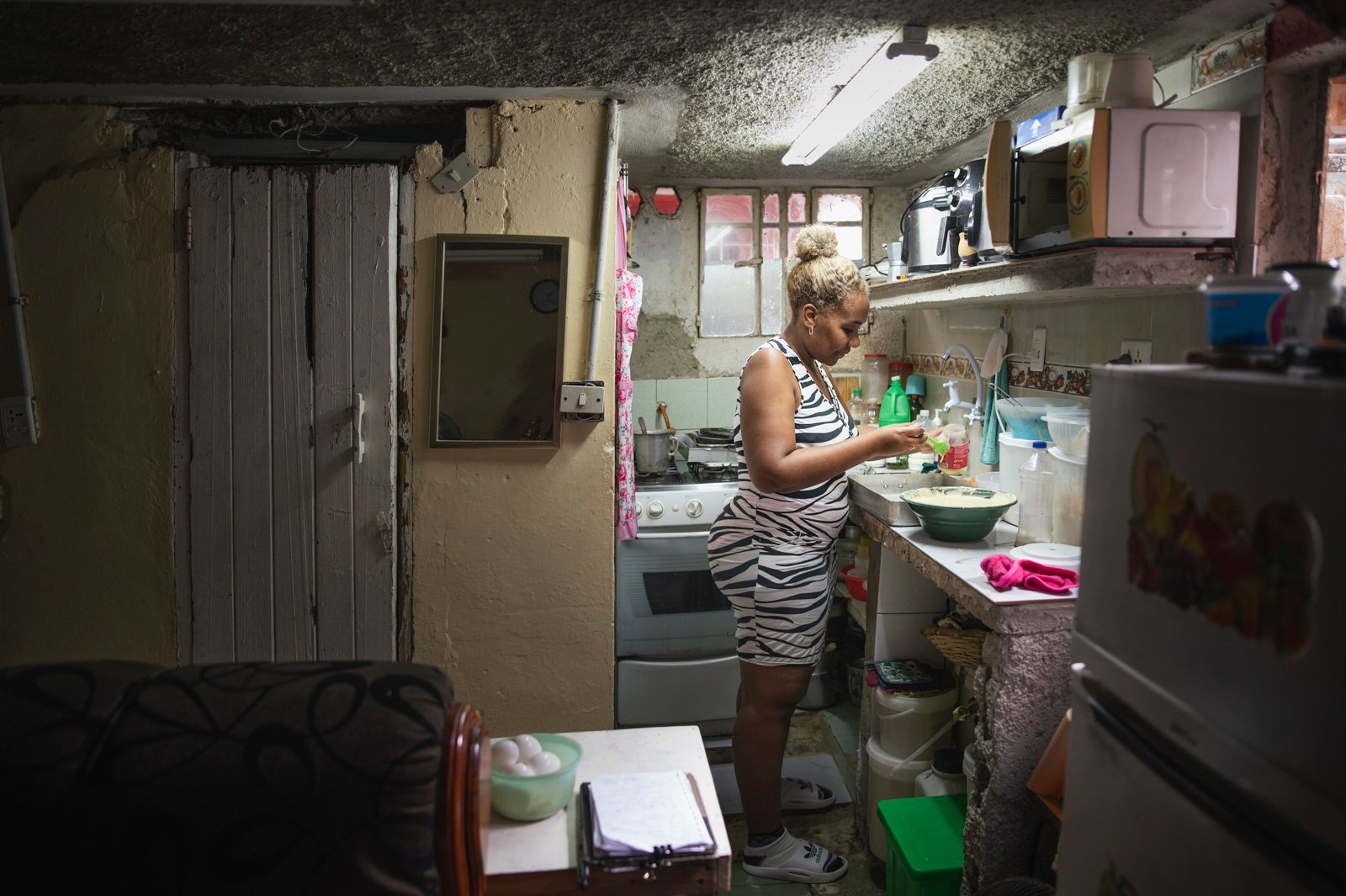
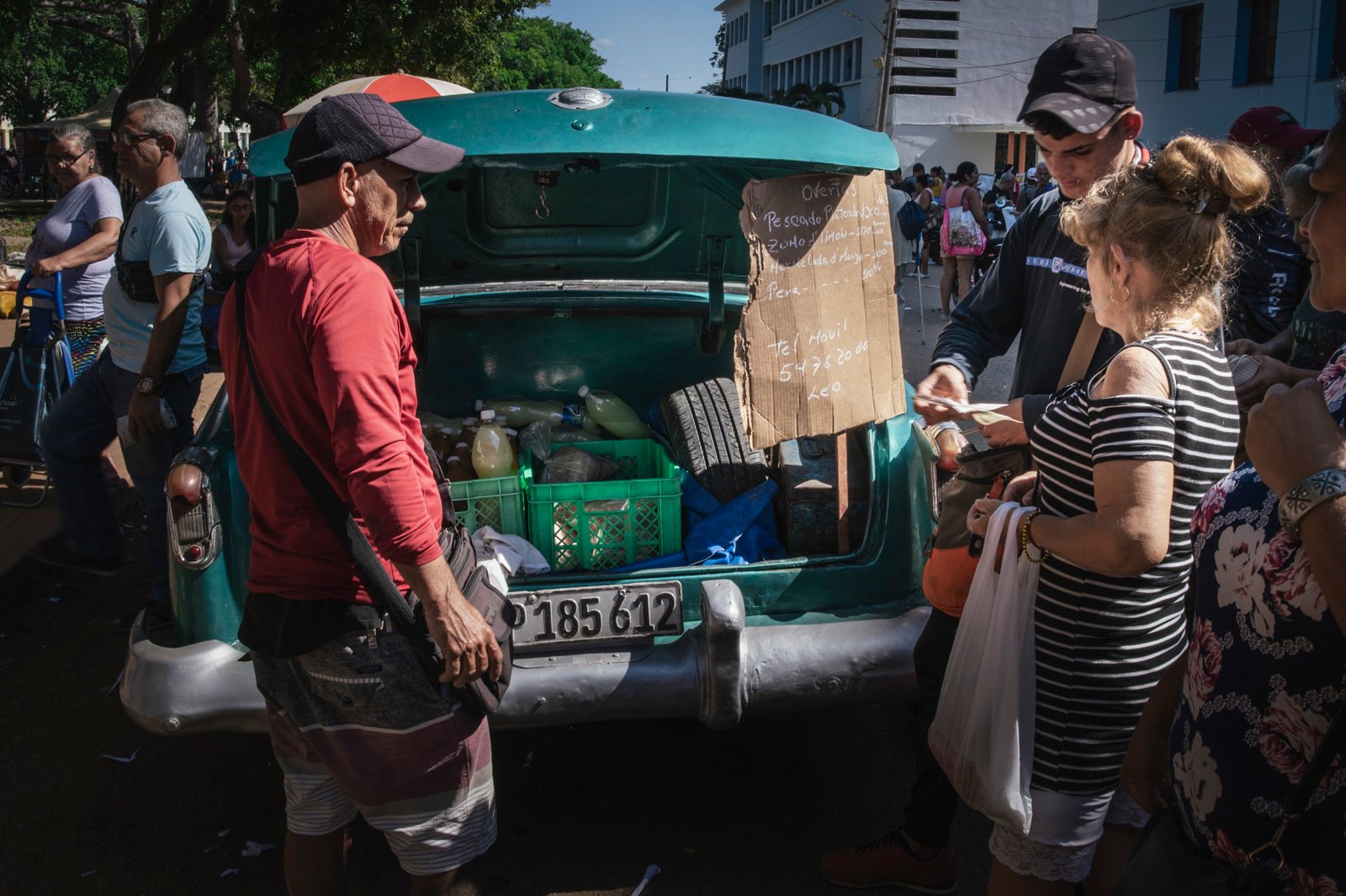
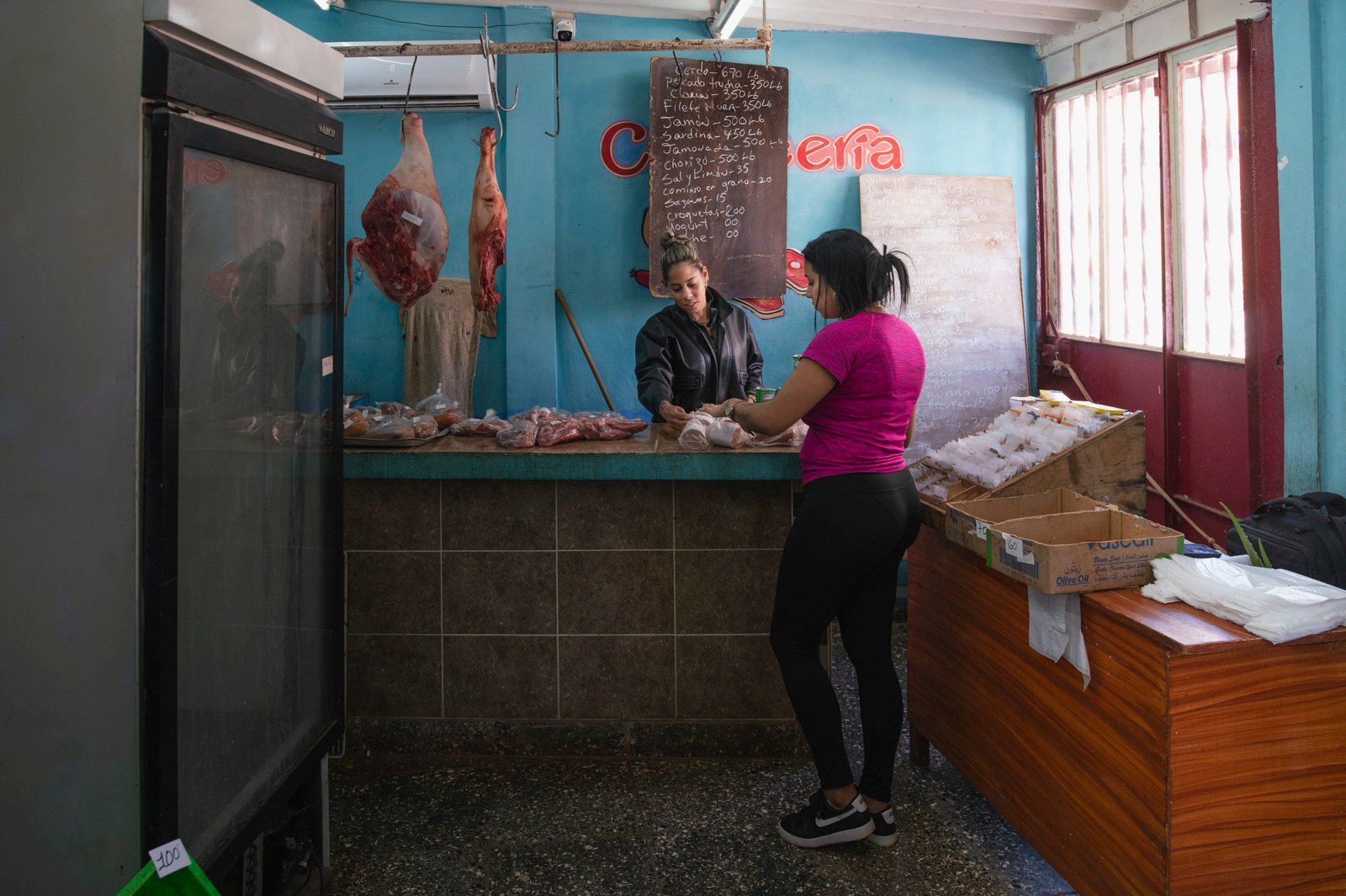
Recent government reforms have encouraged small and medium-sized enterprises and individual entrepreneurship — activities that were once tightly controlled by the state. Since 2021, thousands of Cubans have launched new businesses: bakeries, sewing workshops, cafés, pizzerias, and small grocery stores that are reshaping the everyday landscape of the island.
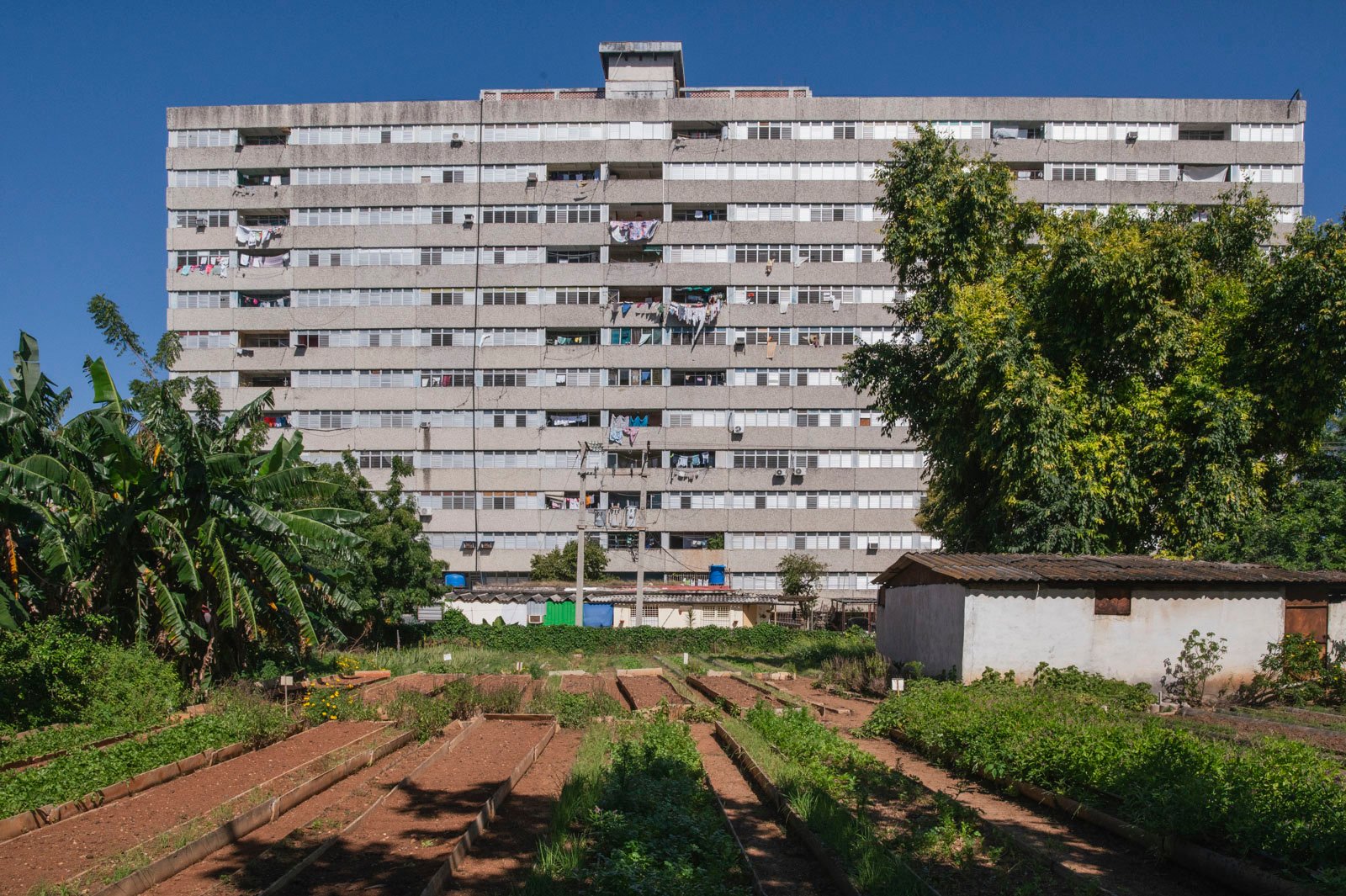
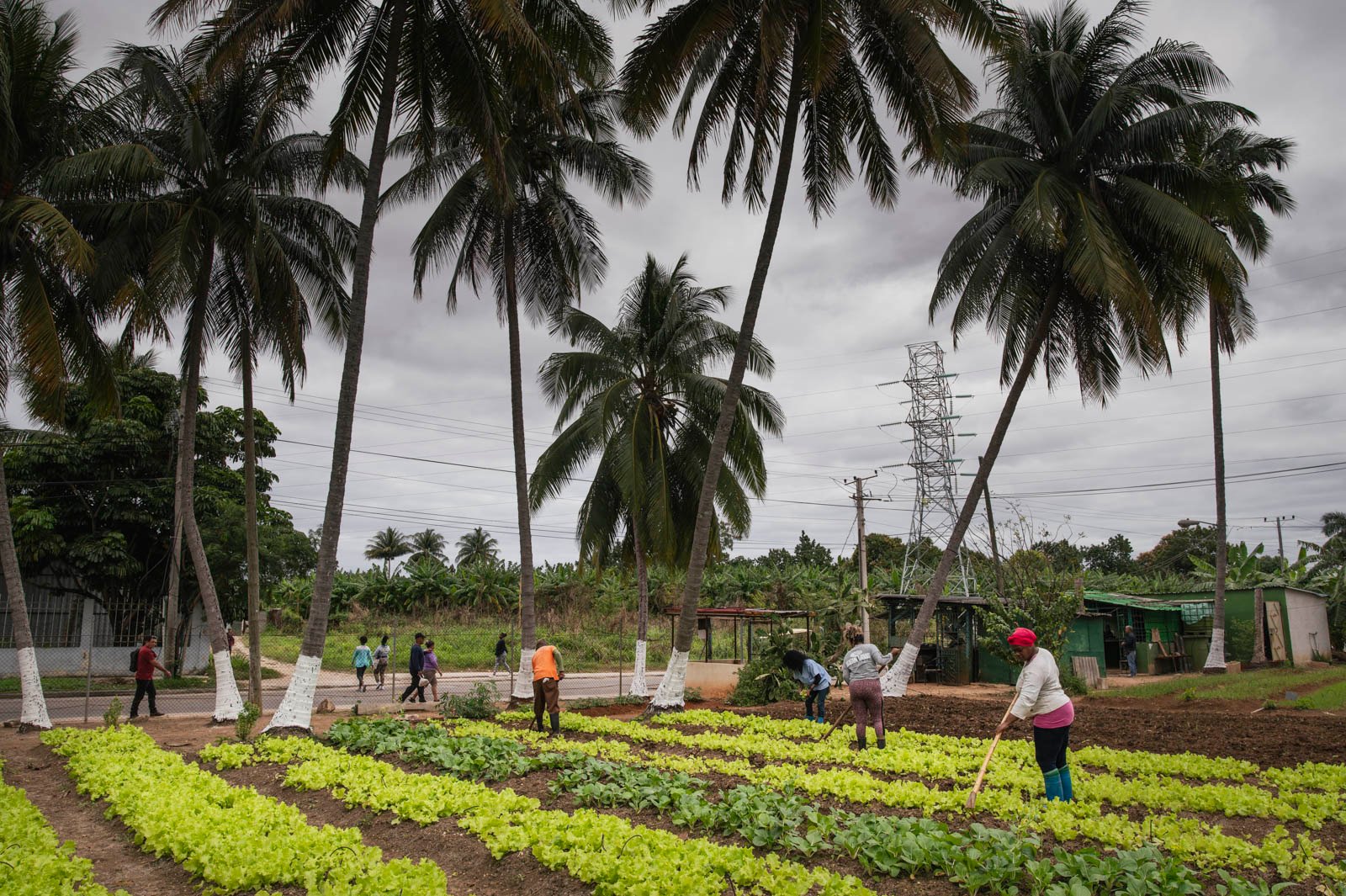
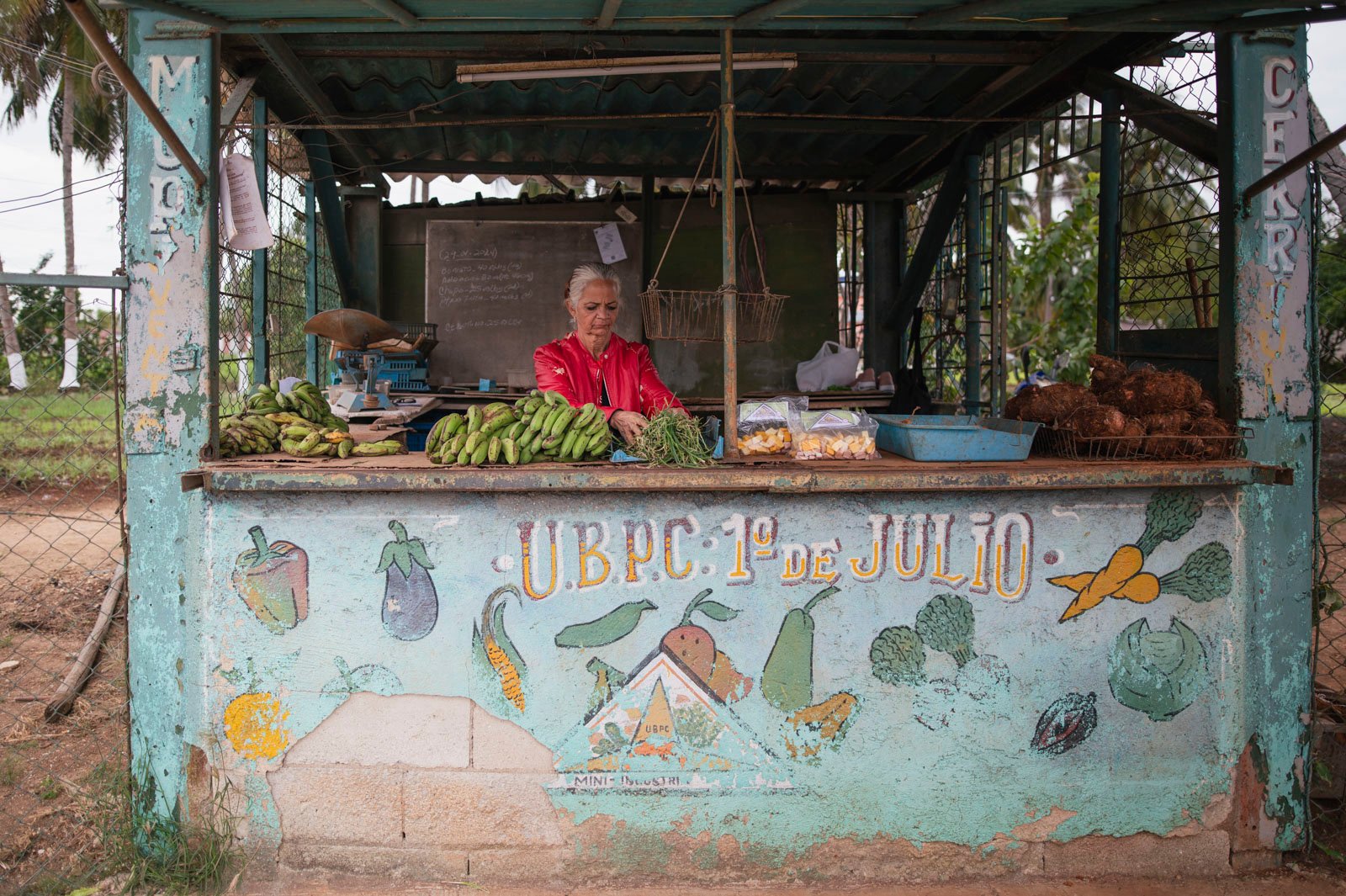
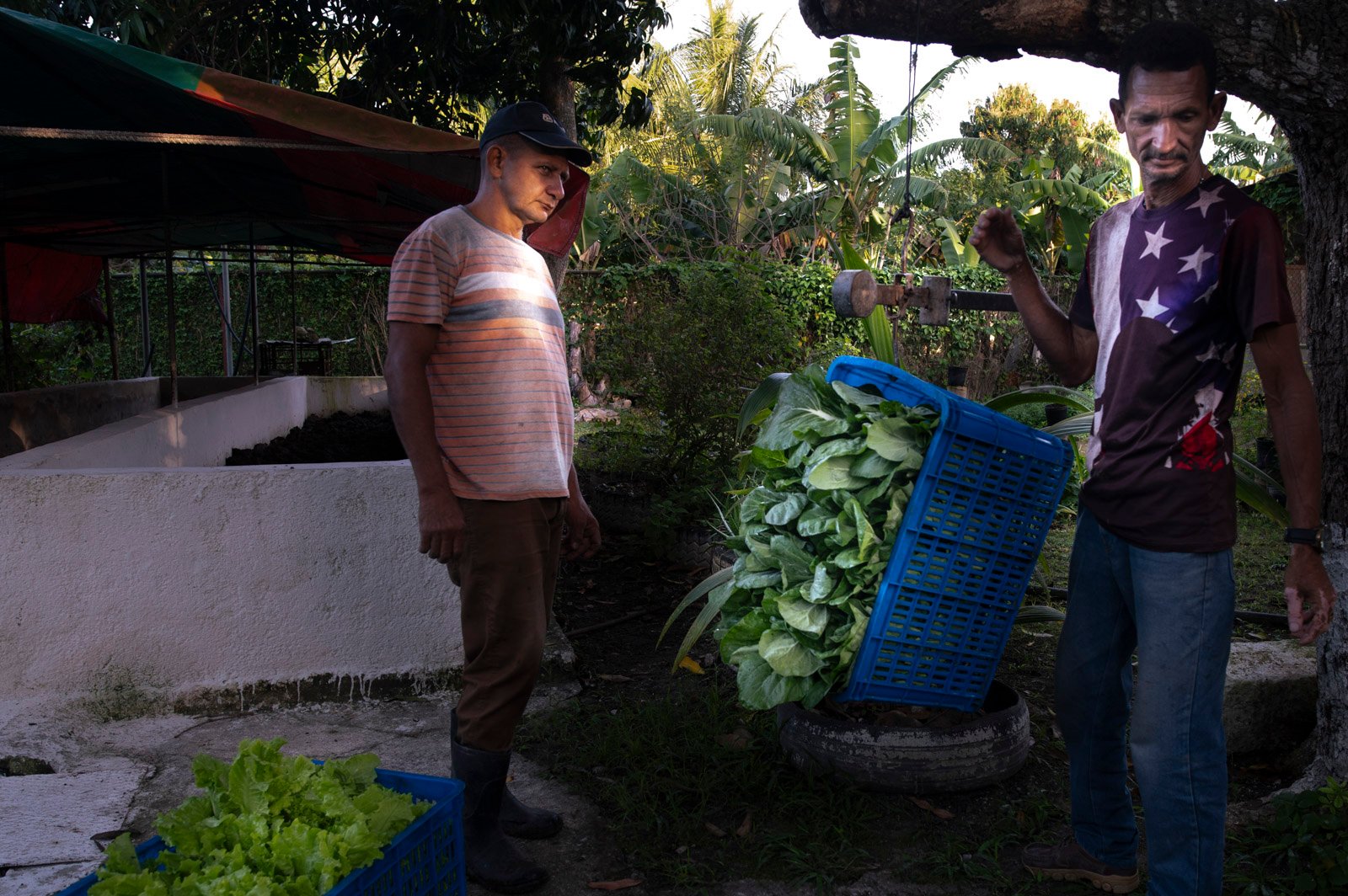
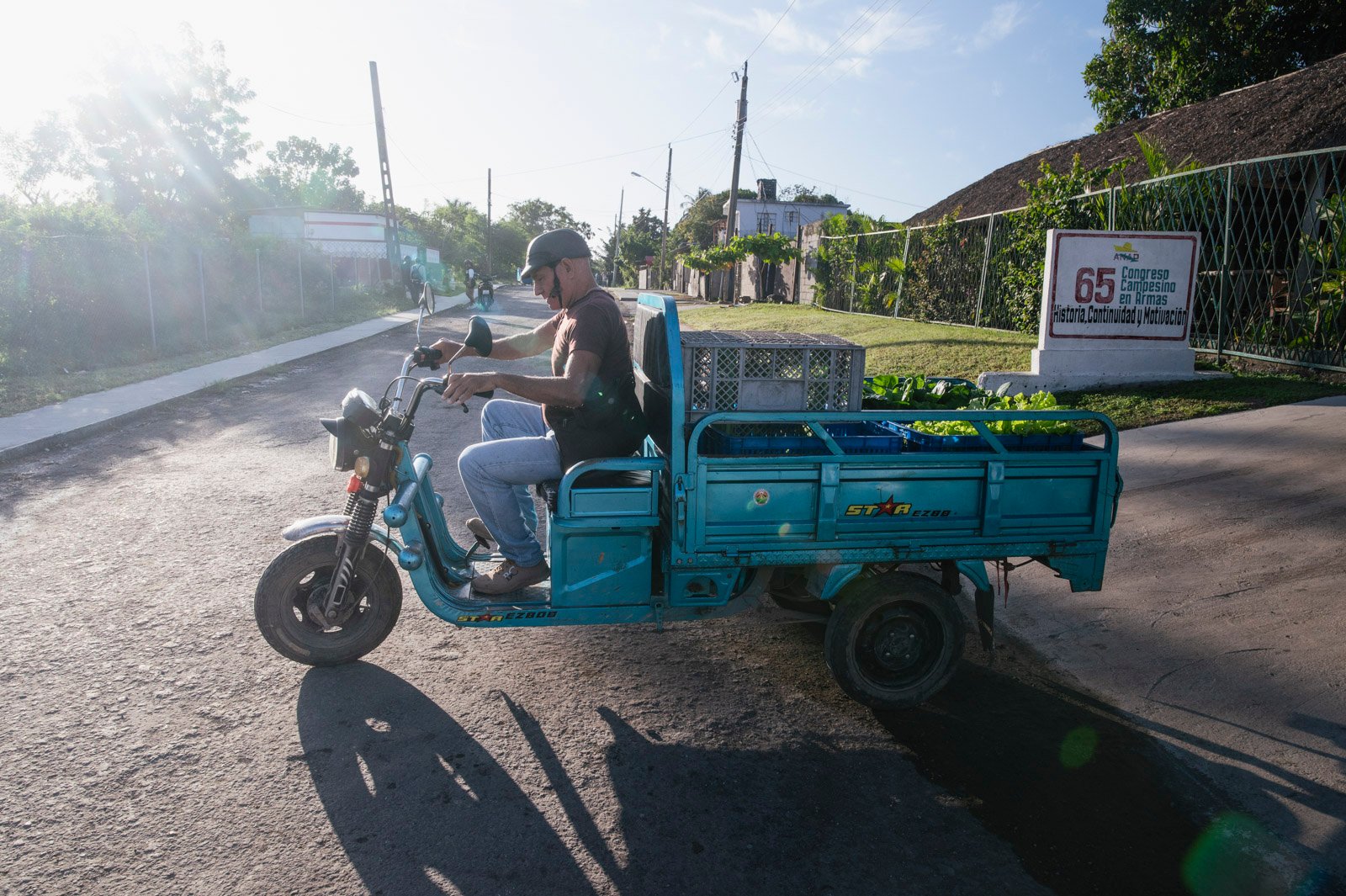
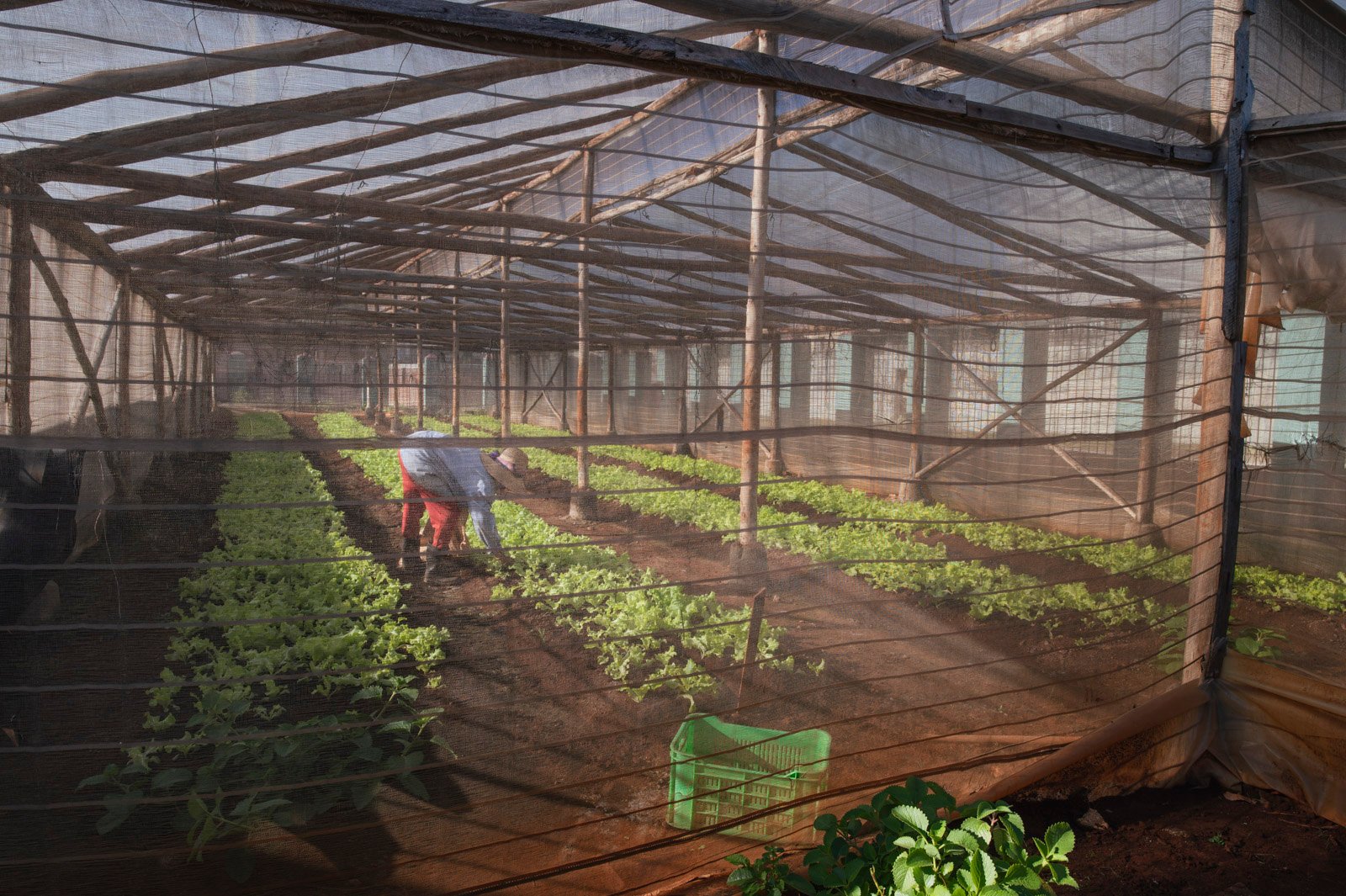
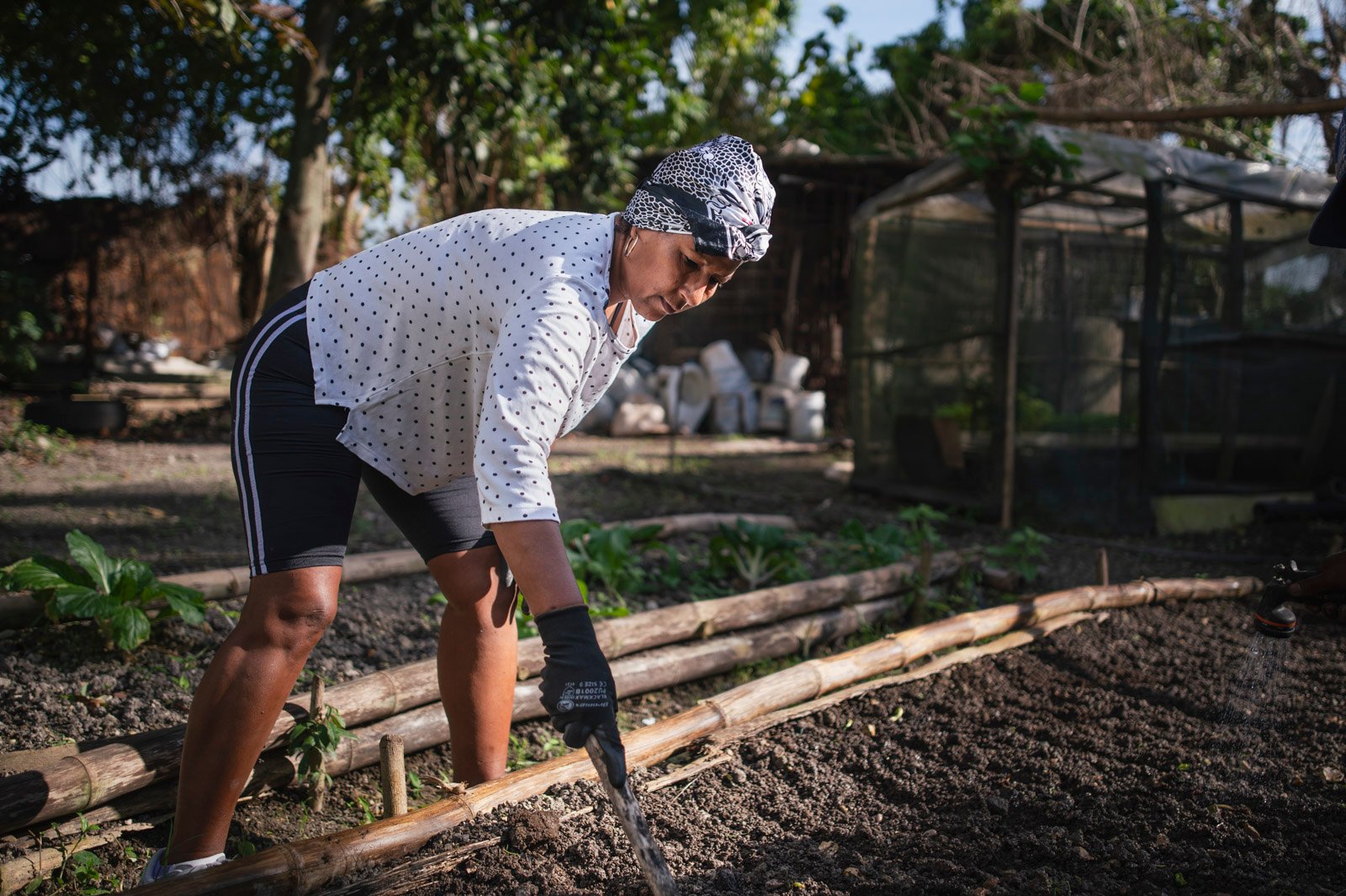
Yet, while many turn to private enterprise as a path to survival, others seek to face the crisis by holding on to the cooperative ideals of the Revolution. Agricultural cooperatives and community projects remain spaces where solidarity and the common good prevail over individual profit.
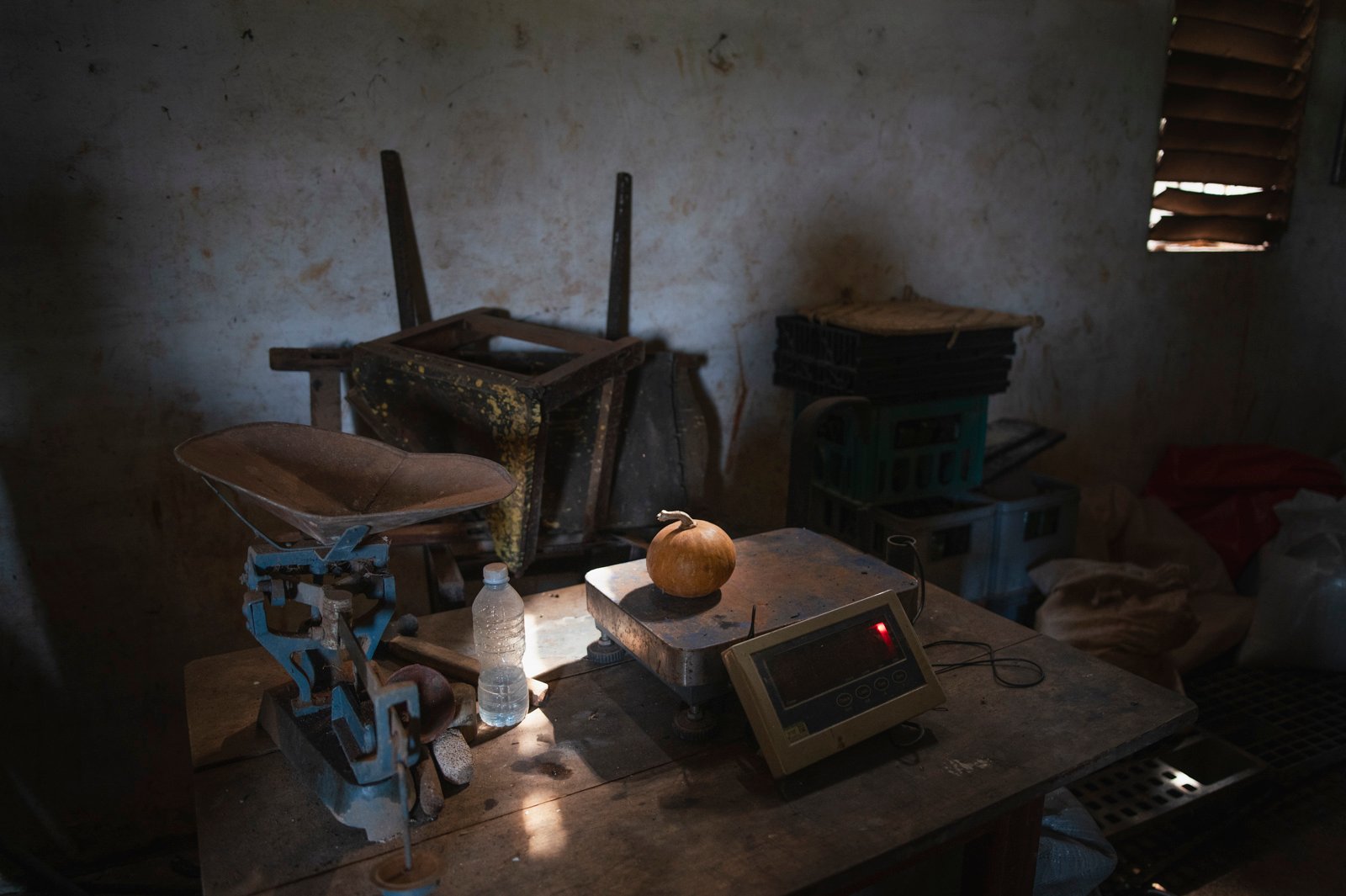
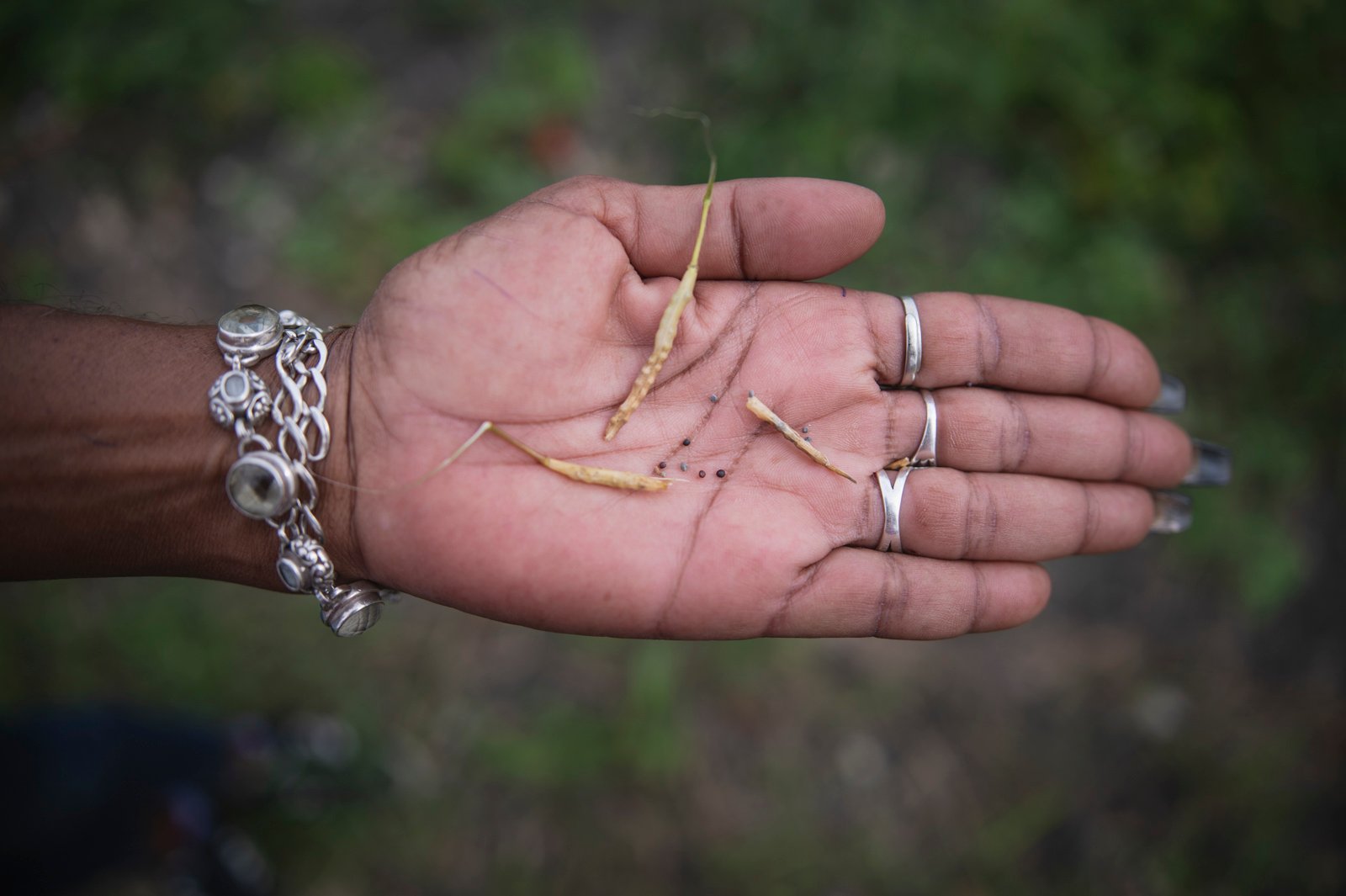
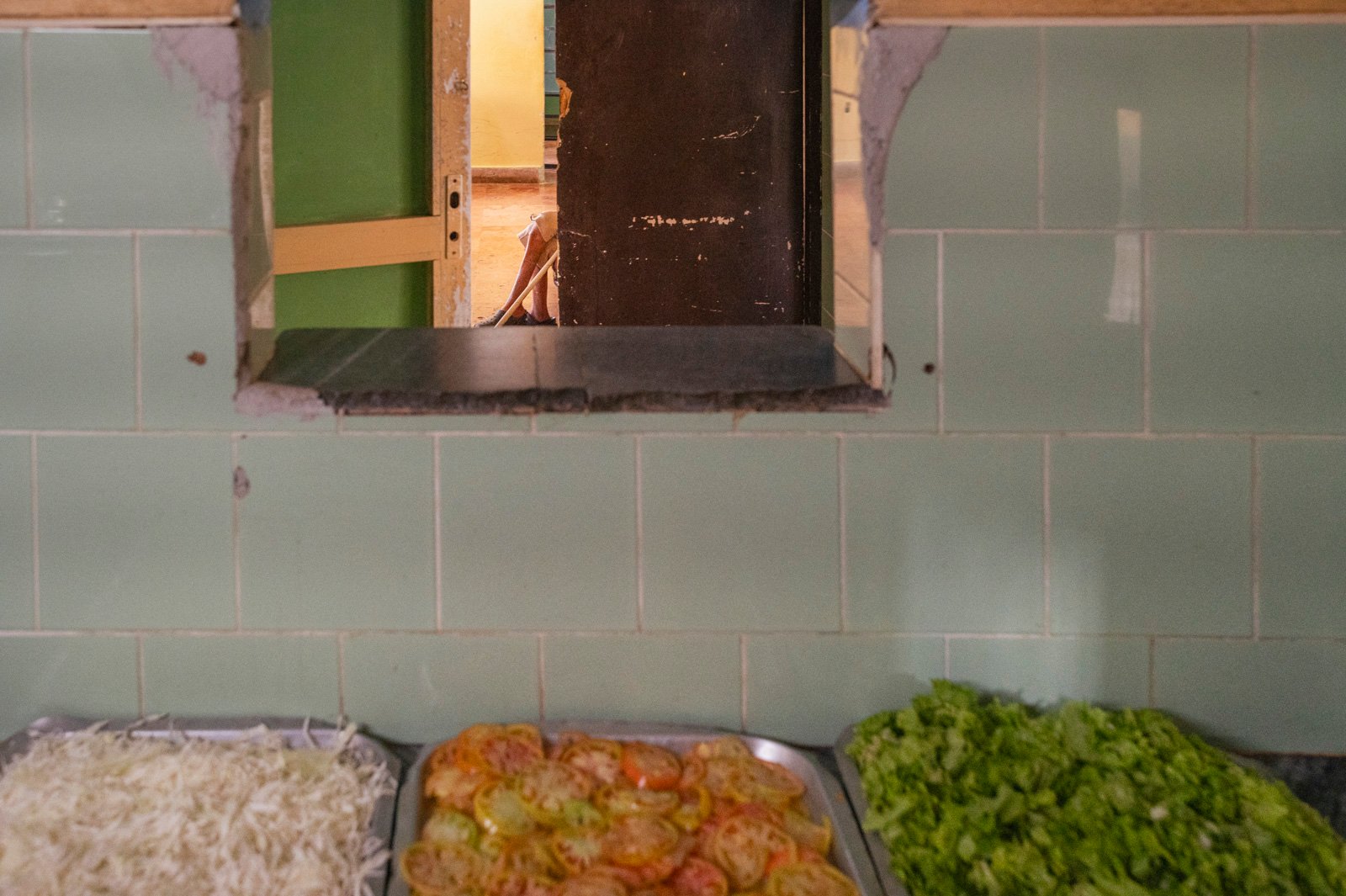
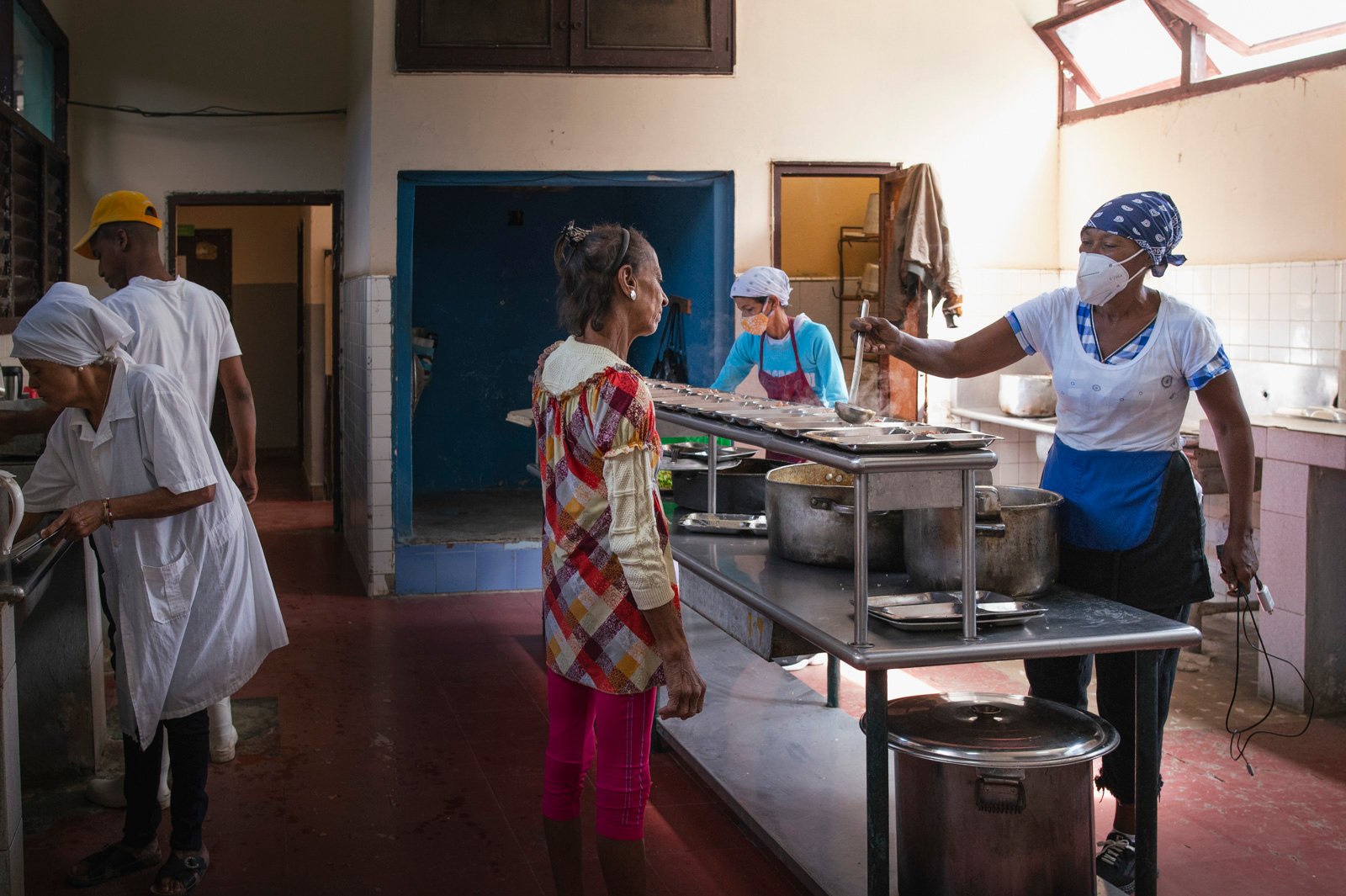
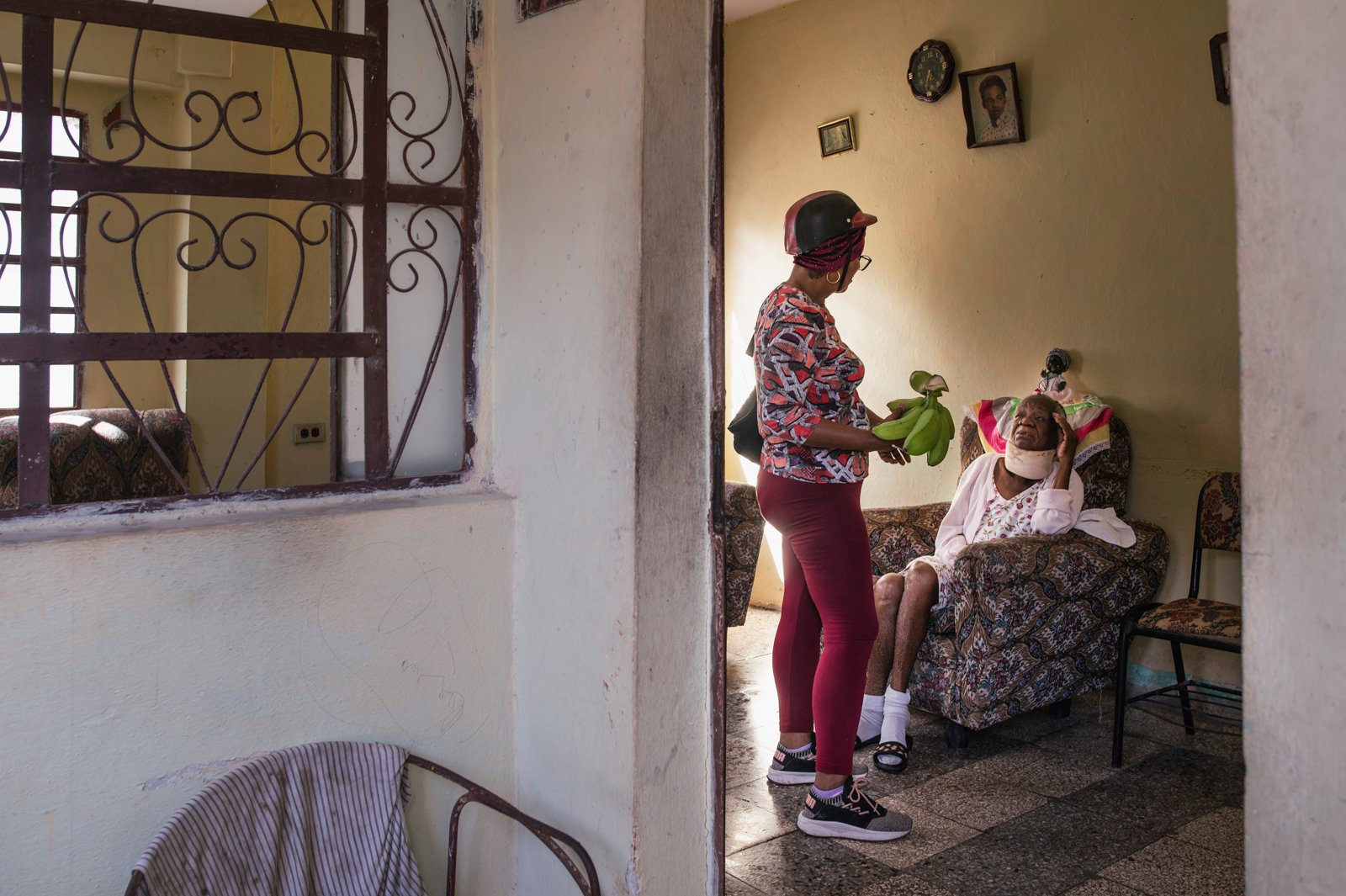
In these cooperatives, food is seen not as a commodity but as a shared resource. At least 80% of their production is dedicated to what Cubans call social consumption — supplying hospitals, schools, and care homes, the foundational pillars of the Revolution. But with scarce seeds, limited investment, and rising costs, their ability to sustain this model is increasingly fragile.
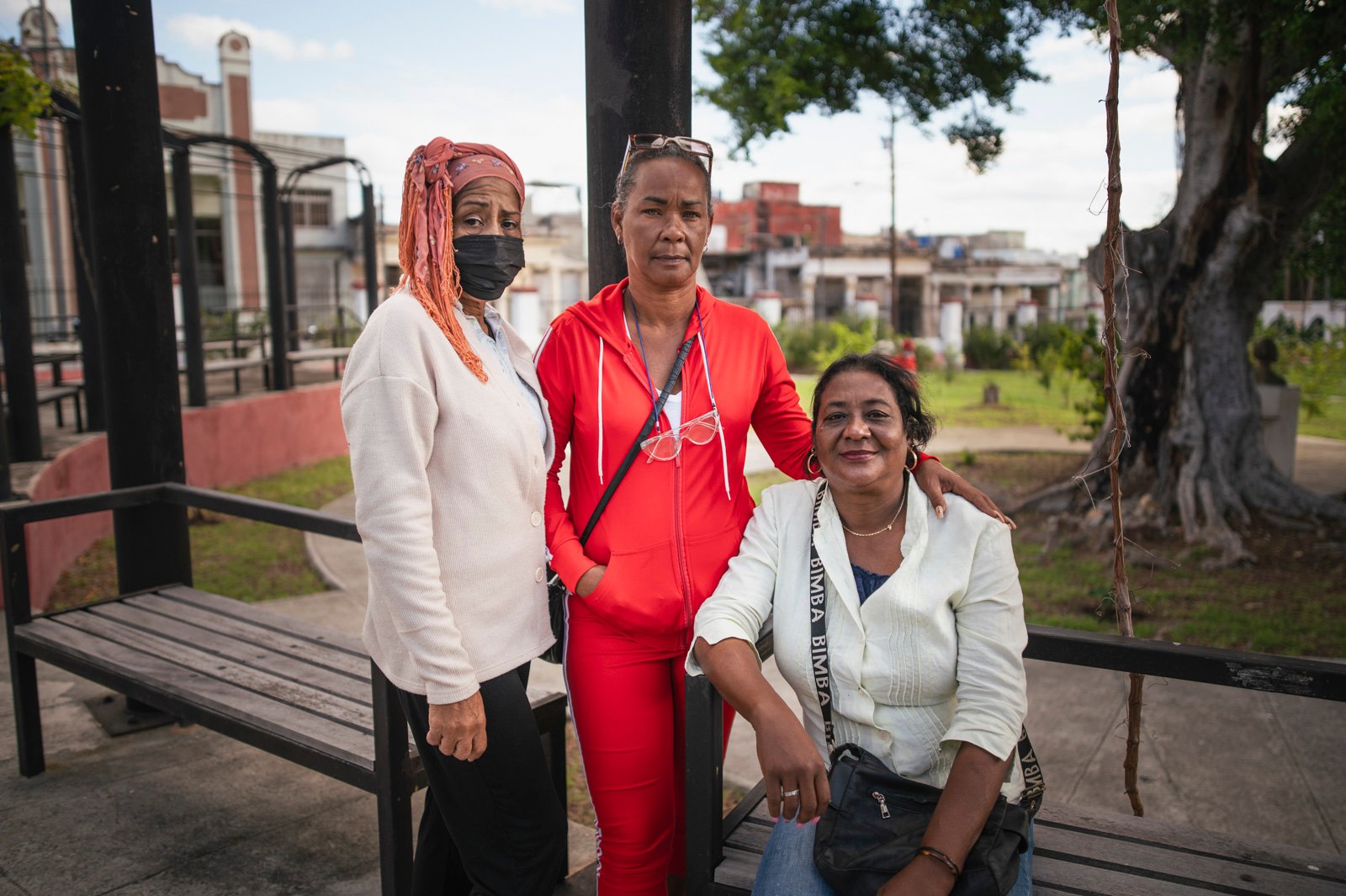
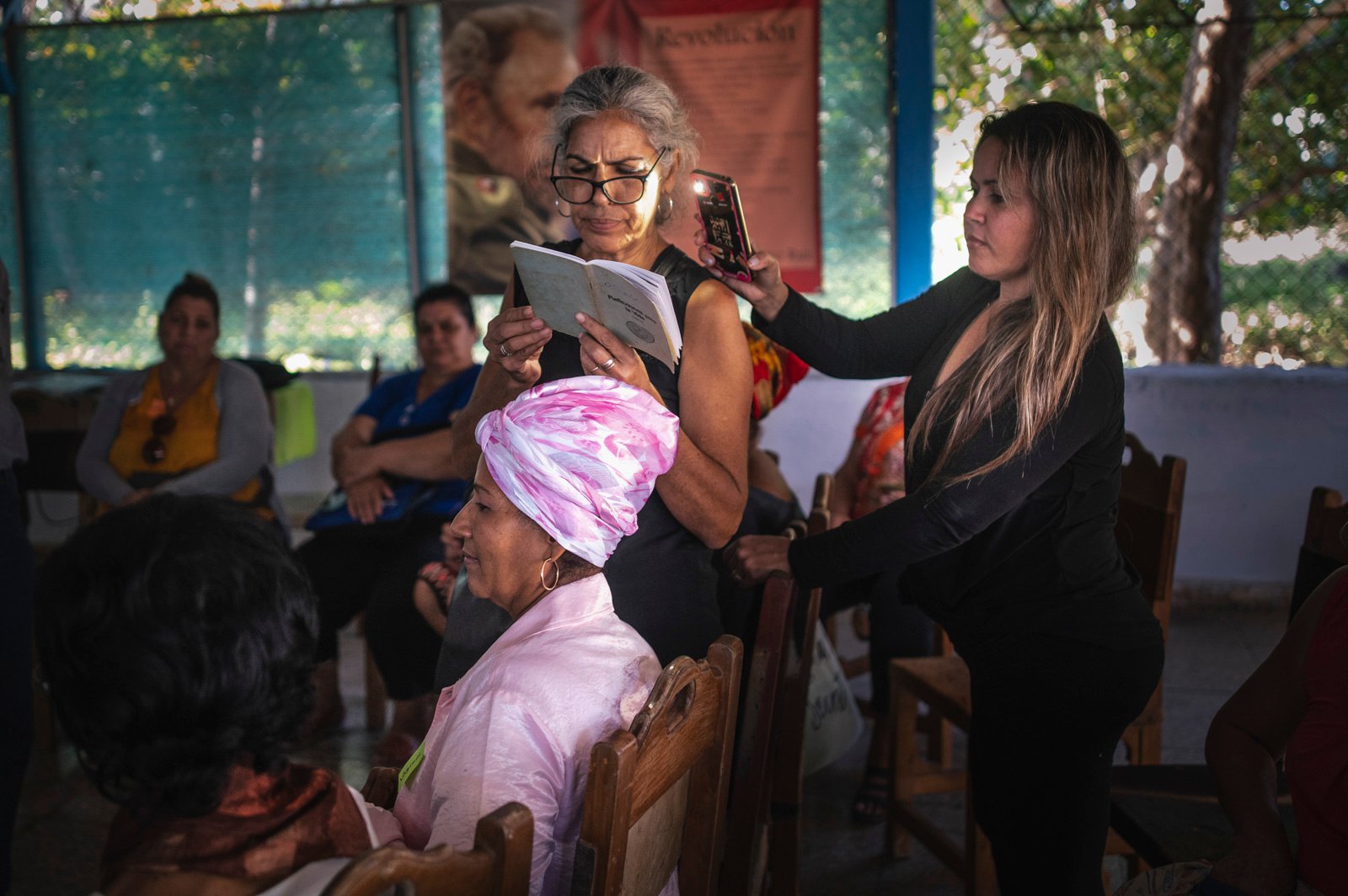
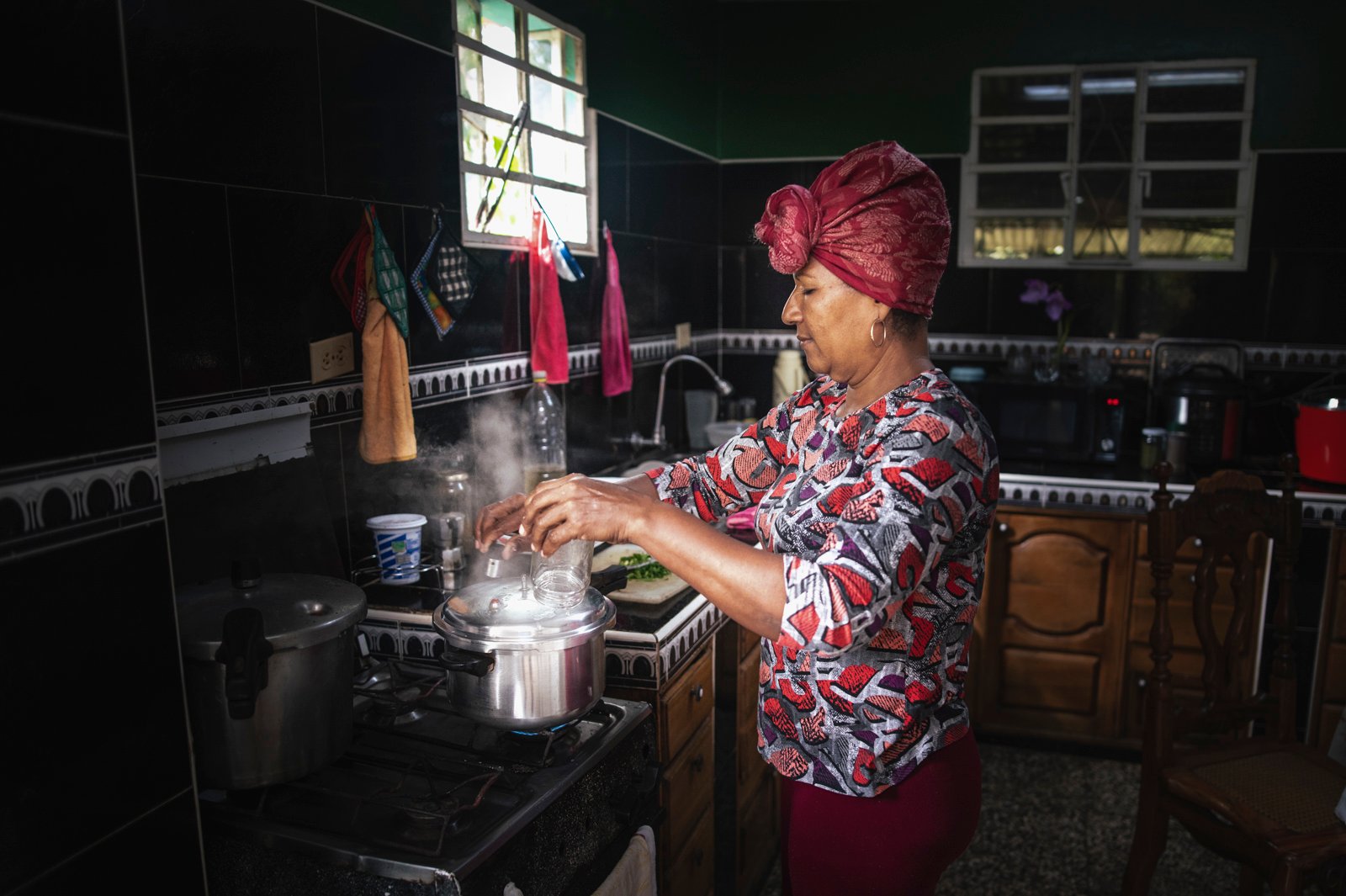
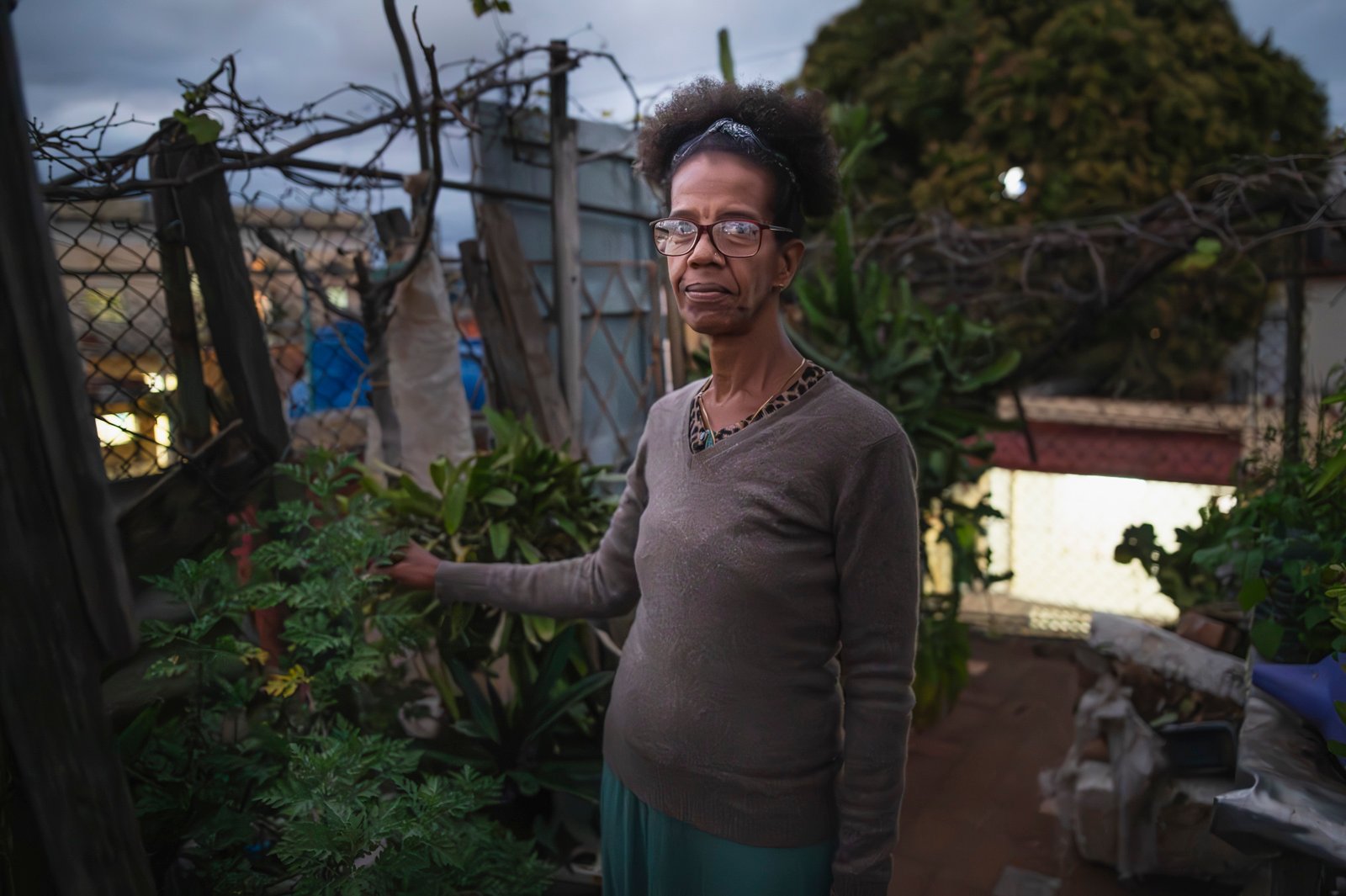
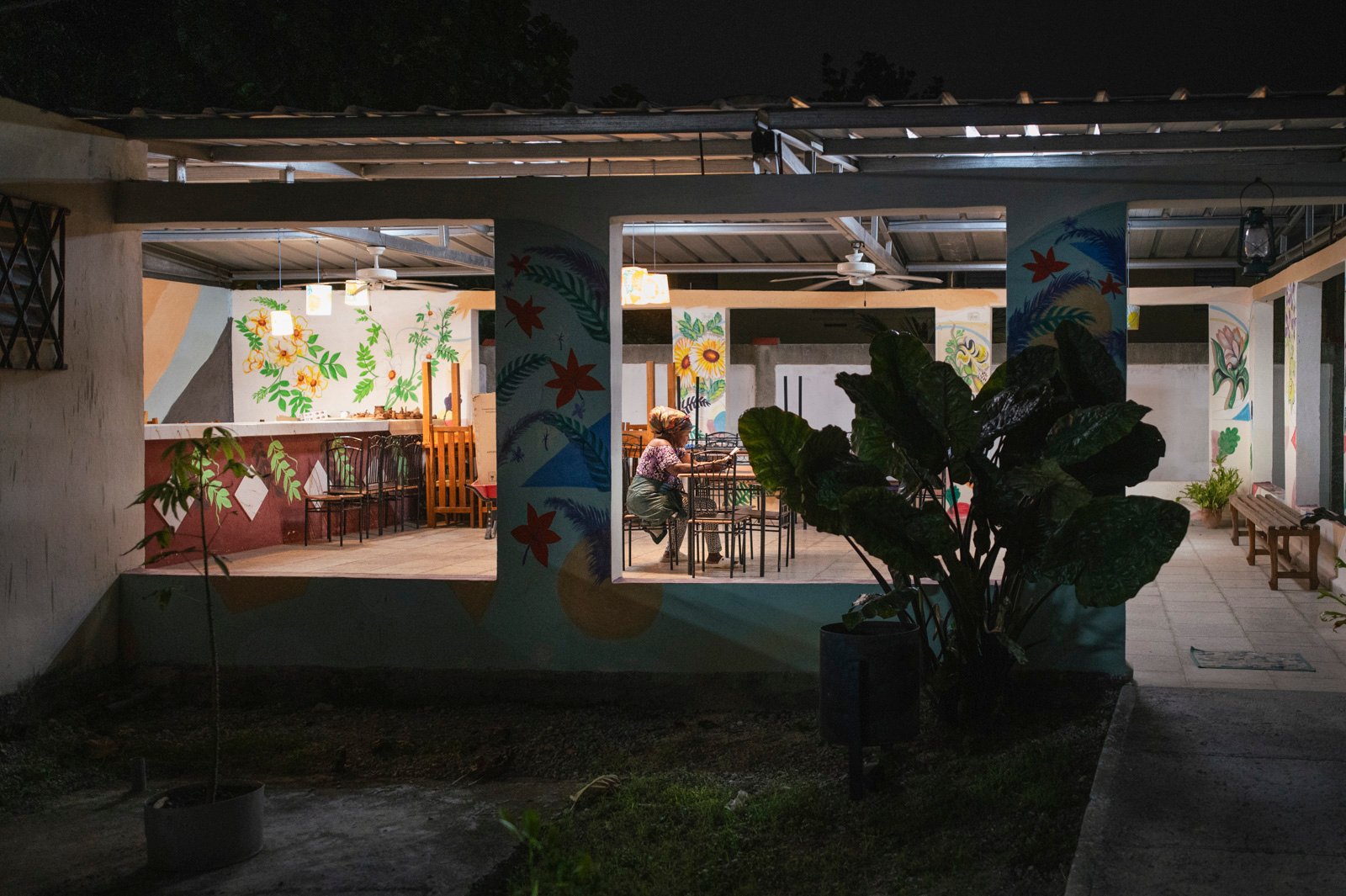
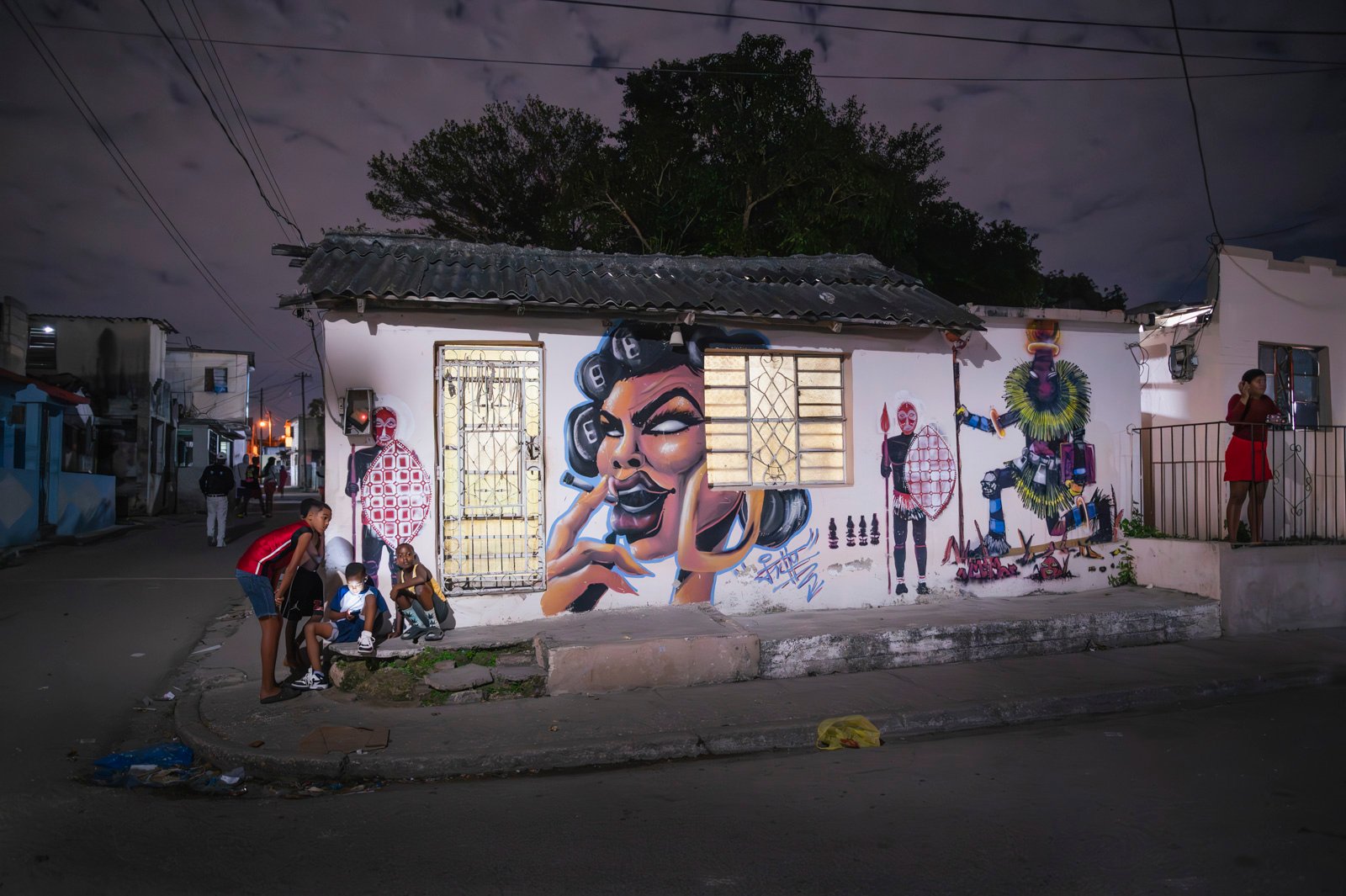
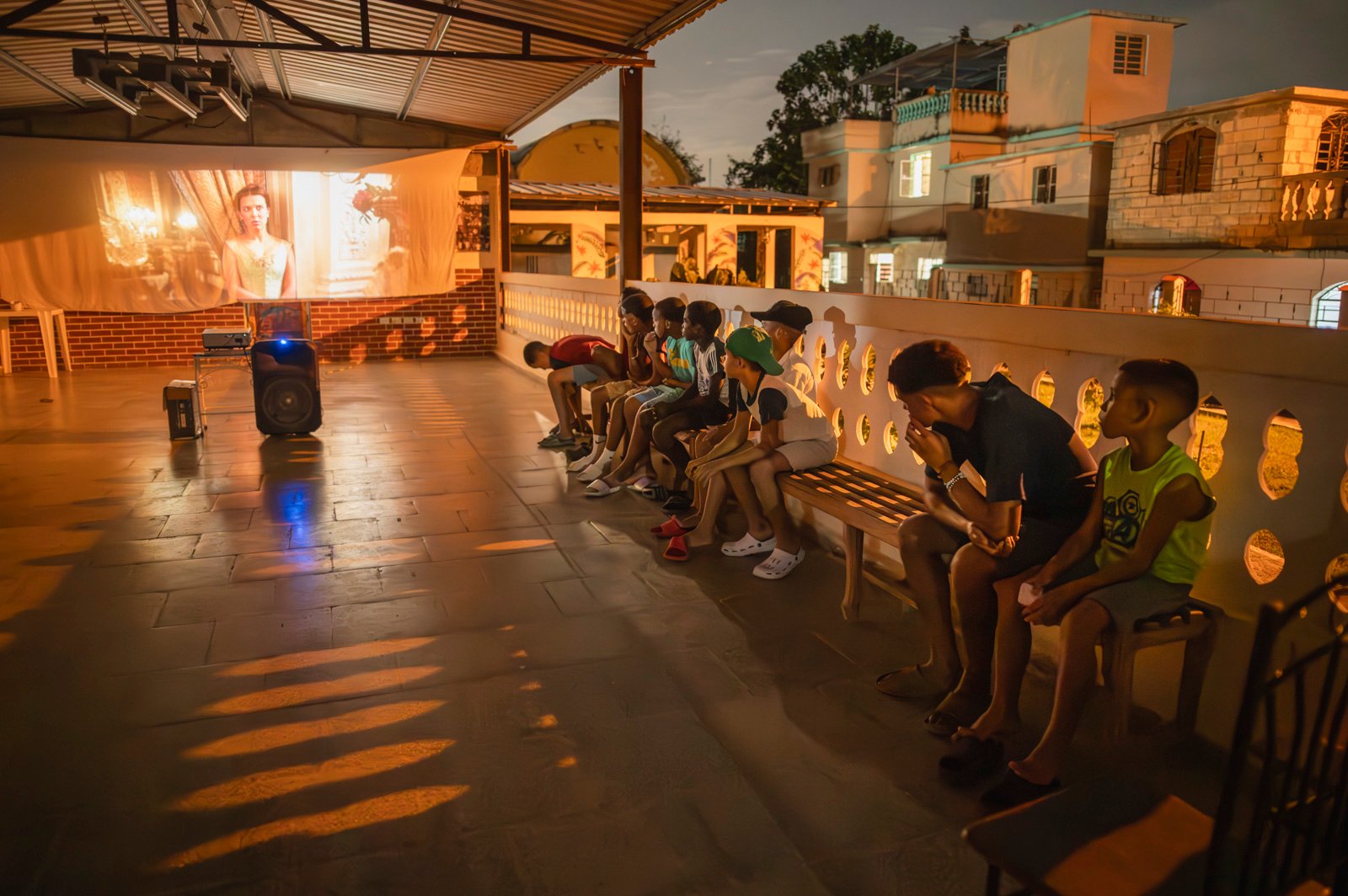
Alongside them, new grassroots initiatives are emerging — often led by women — where communities share seeds, knowledge, and care. Through neighborhood workshops, self-help networks, and small acts of collective renewal, people are reinventing daily life beyond the reach of an overstretched state and the growing pull of market logic.
In today’s Cuba, crisis and creativity coexist. Between the lingering ideals of socialism and the encroaching rhythms of capitalism, the island stands at a crossroads.
And once again, the world is watching.