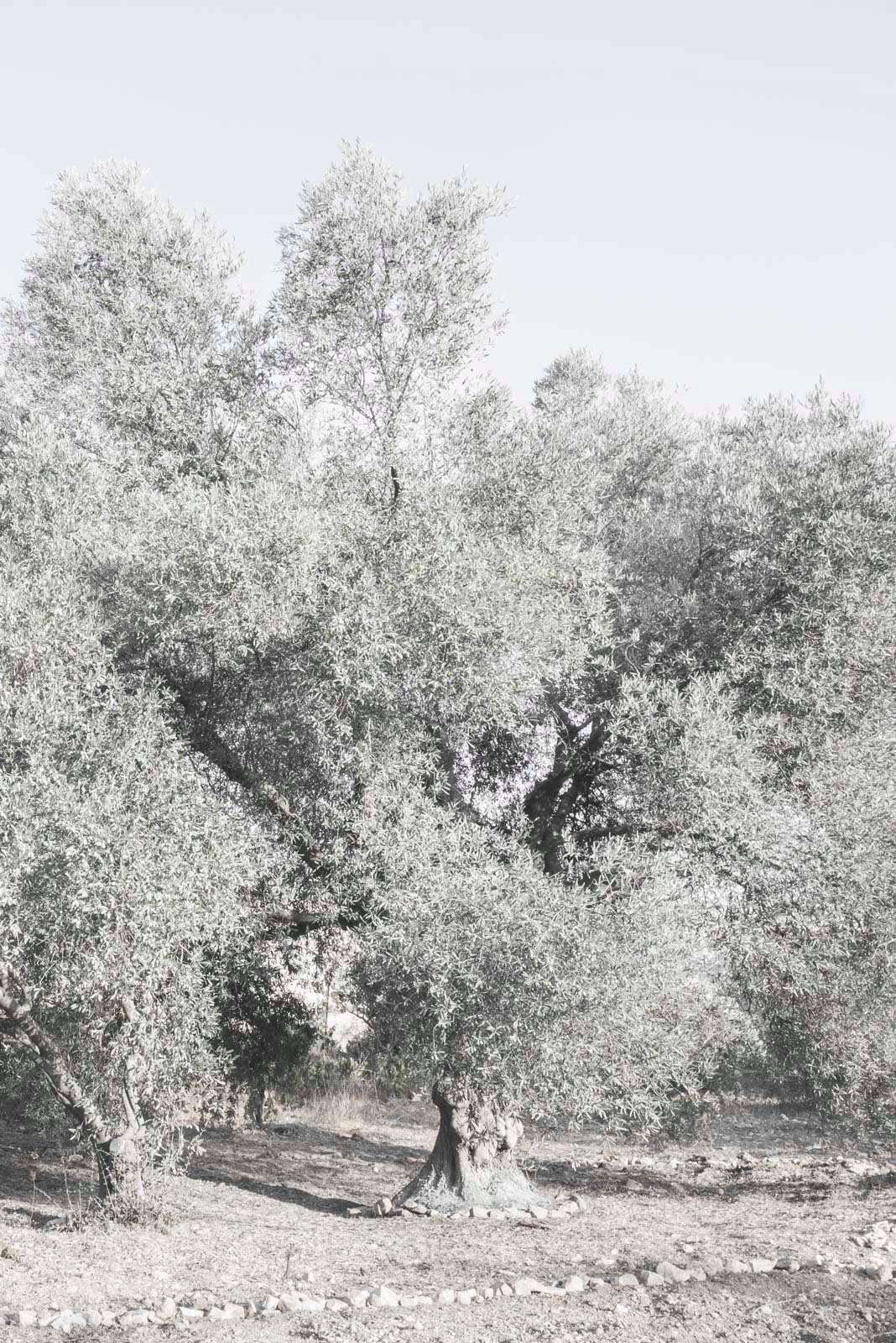
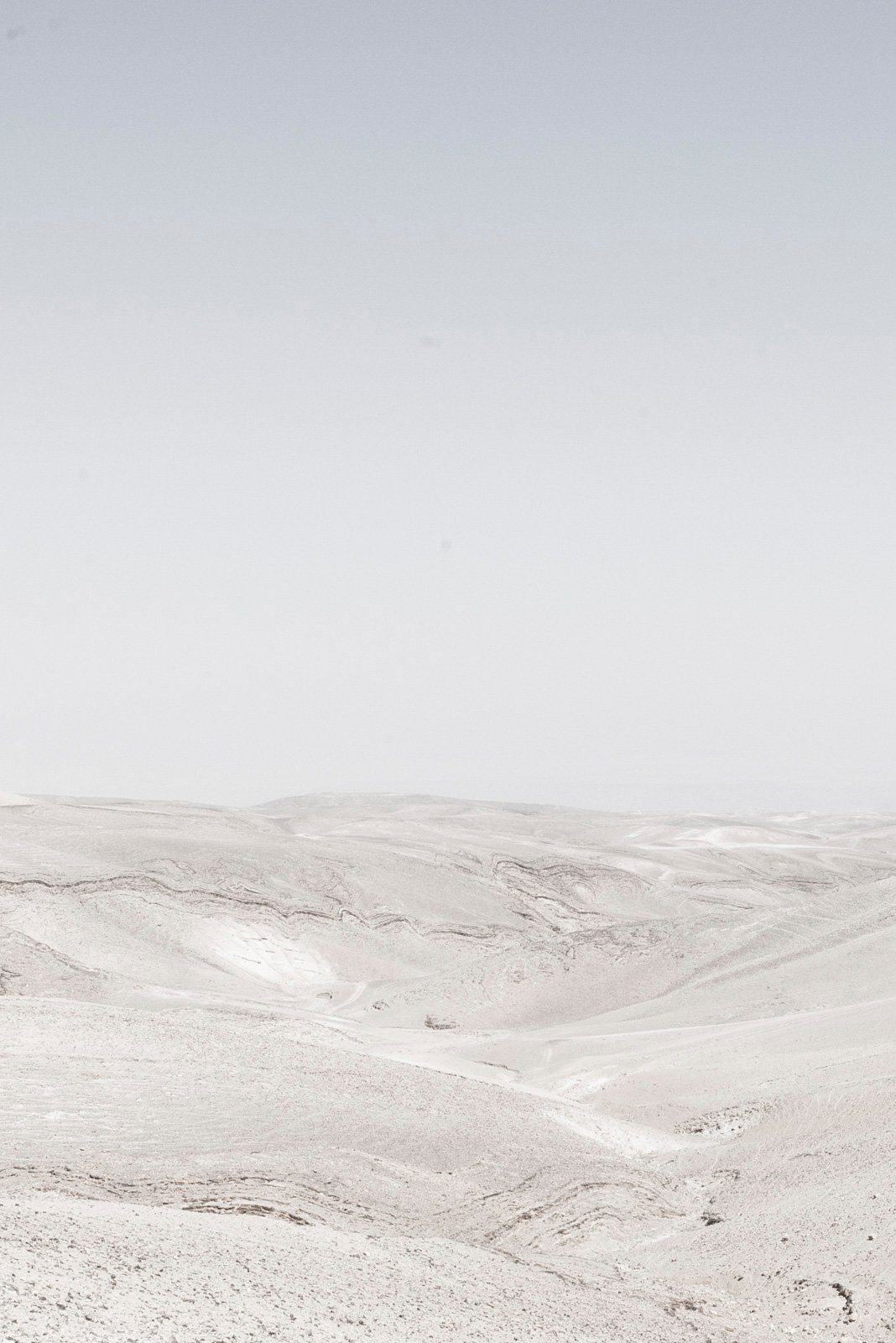
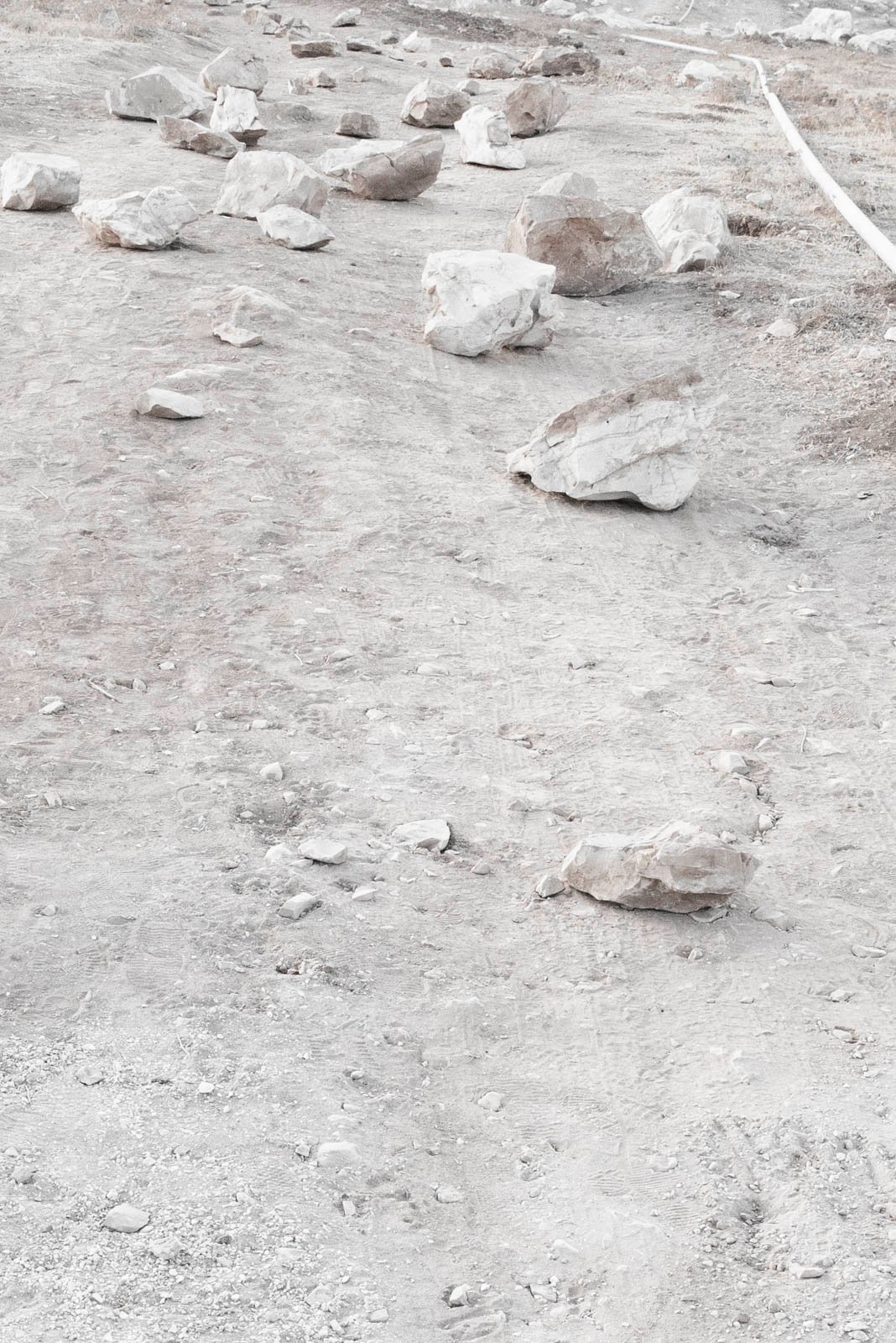
One of the central pillars of Zionist discourse has always been the denial of the Palestinian people’s presence in their own land. The slogan “a land without people for a people without land” stands as its emblematic expression — an ideological construction meant to justify the colonization and appropriation of Palestine by erasing its prior and enduring reality.
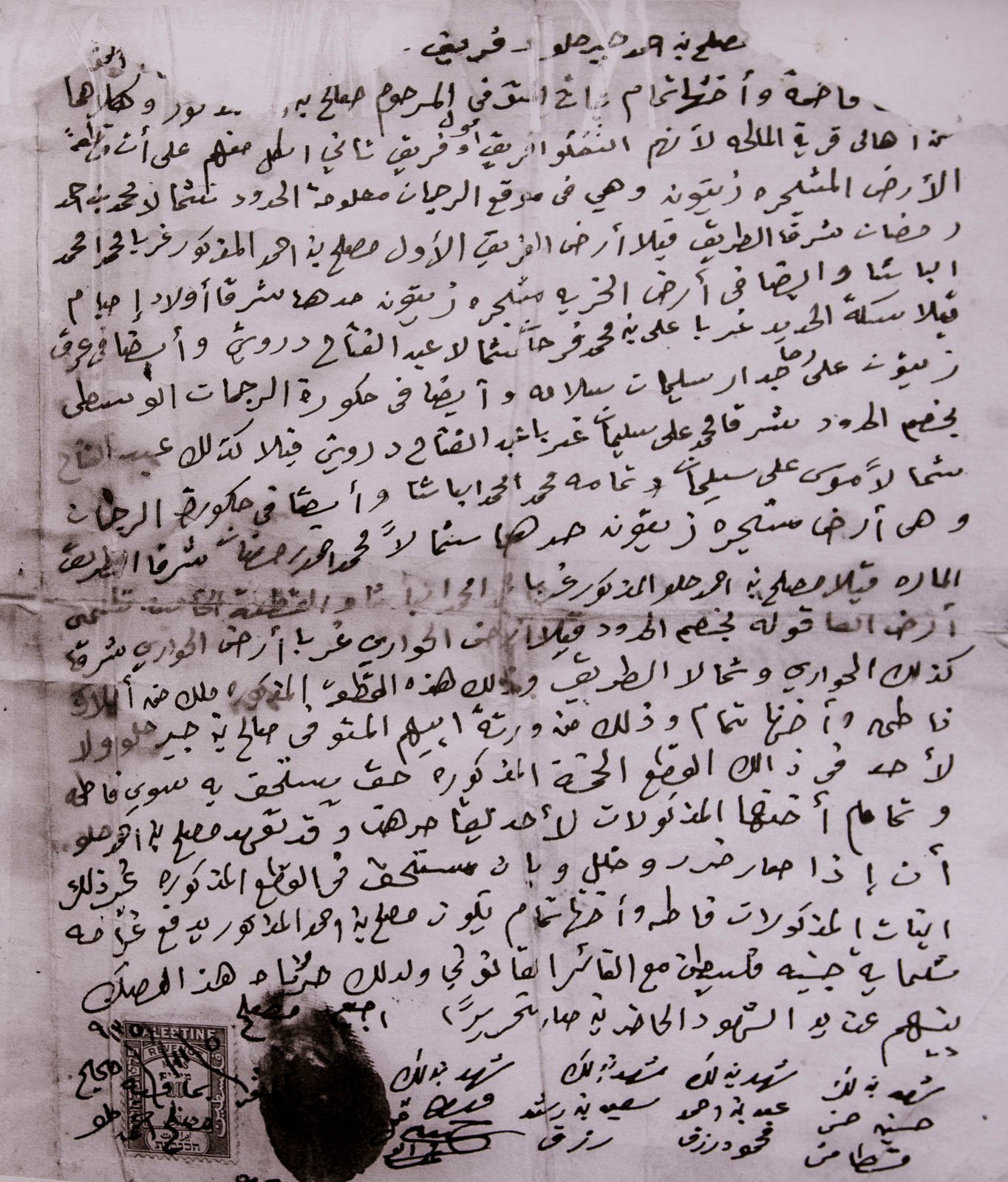
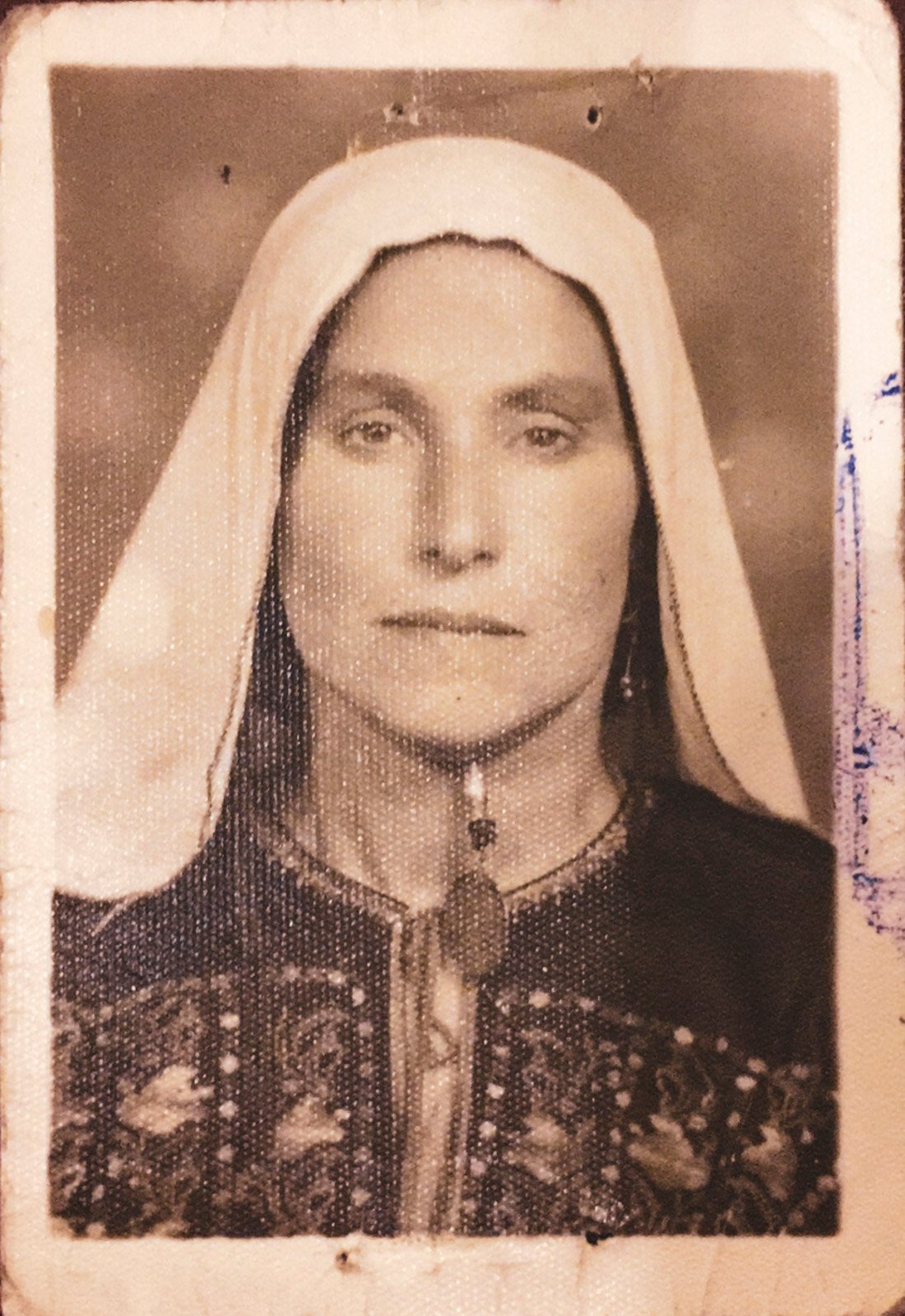
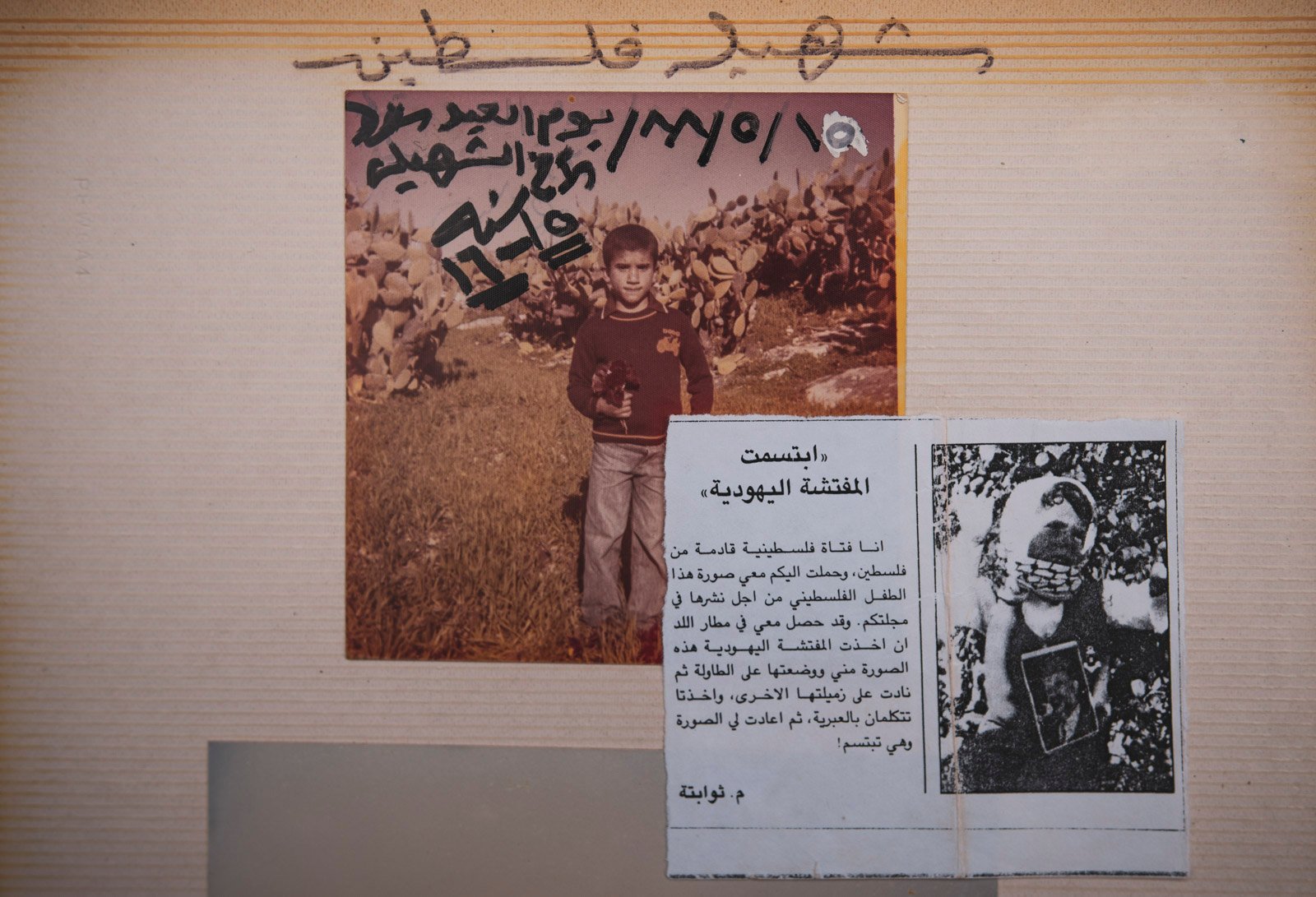
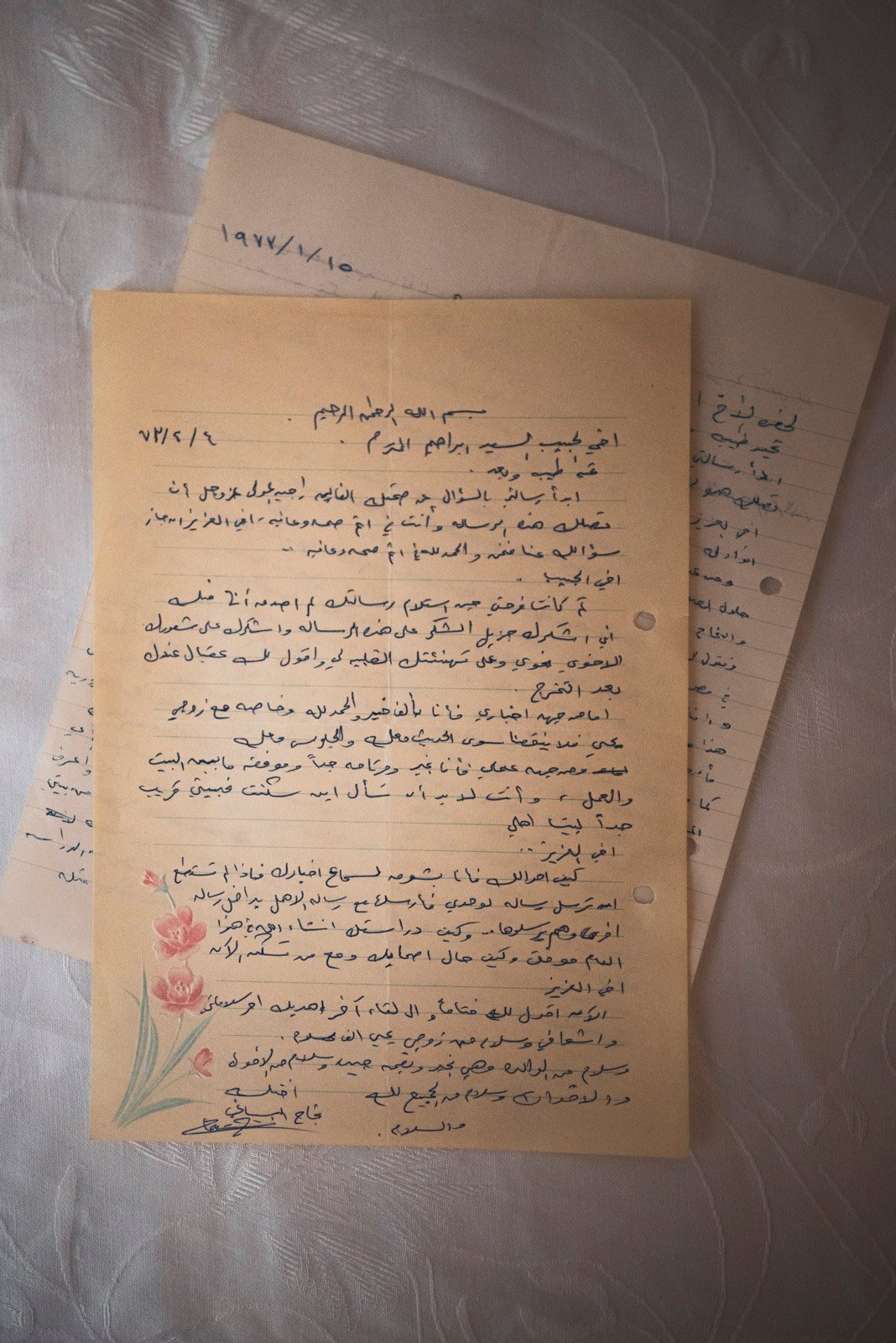
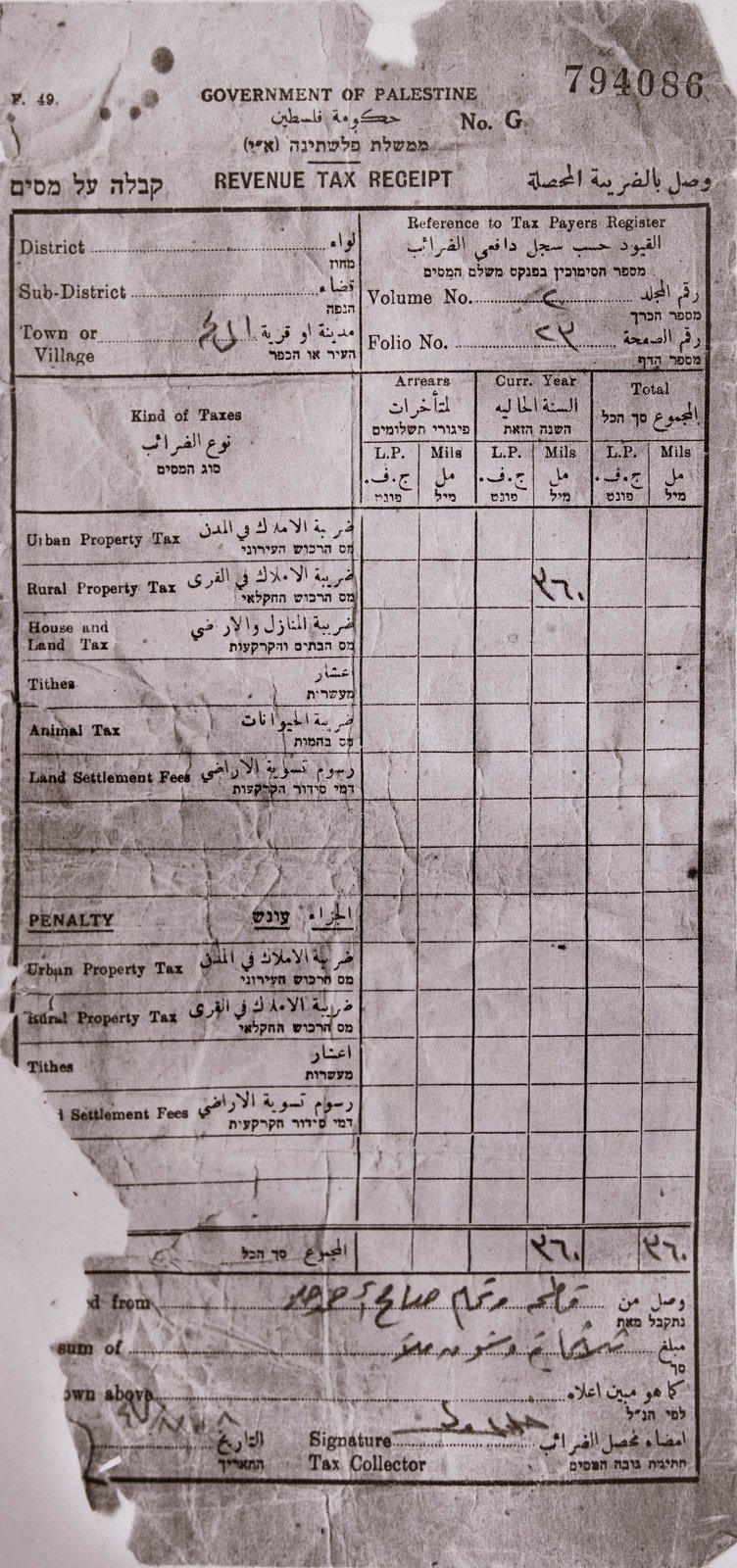
This deliberate erasure of Palestinian existence has taken many forms throughout the history of the State of Israel: large-scale archaeological theft, the destruction of villages and homes, the confiscation of social and cultural archives, and the seizure of official records, letters, and family photographs. All share the same purpose — to erase every trace of the native people’s life, memory, and continuity.
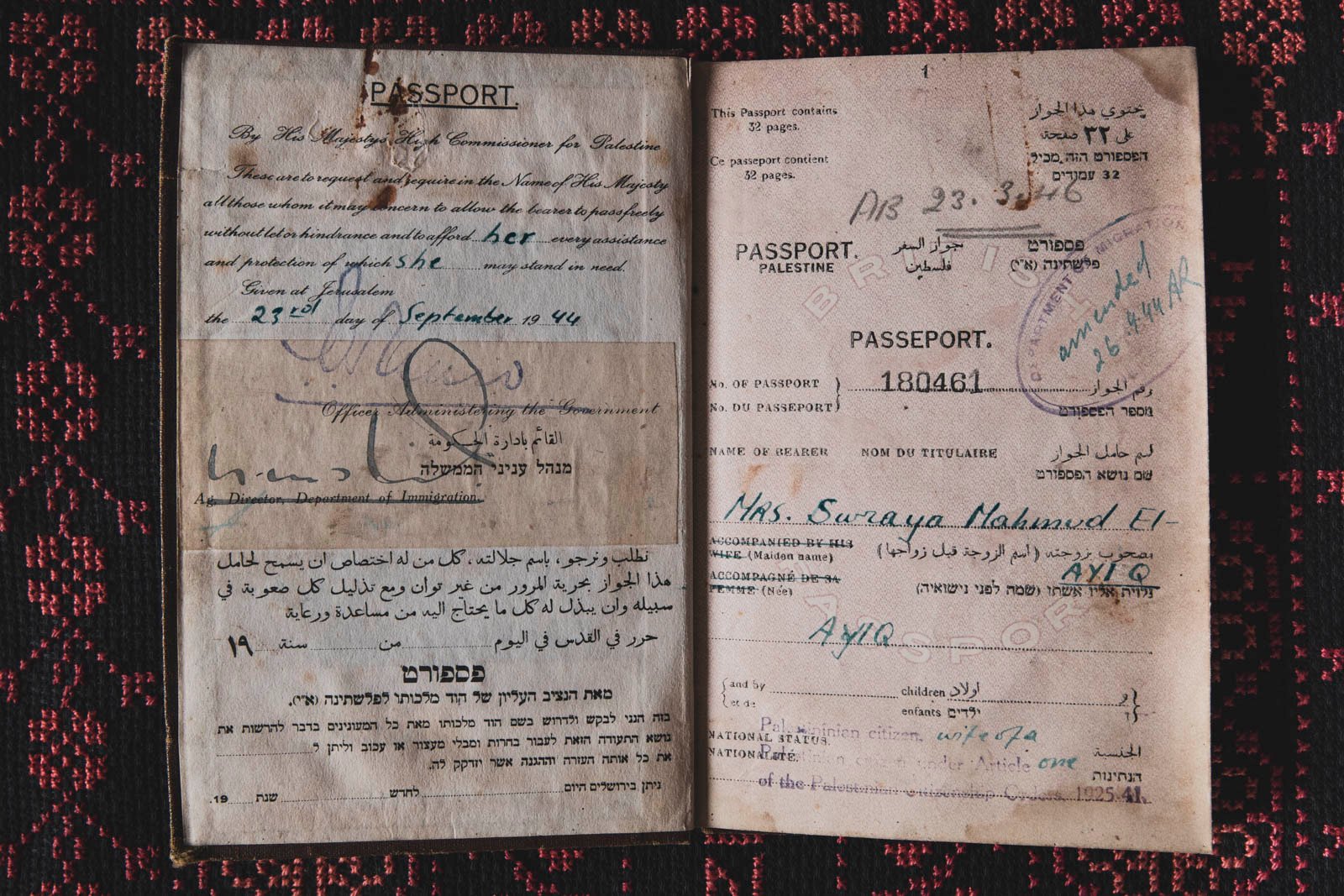
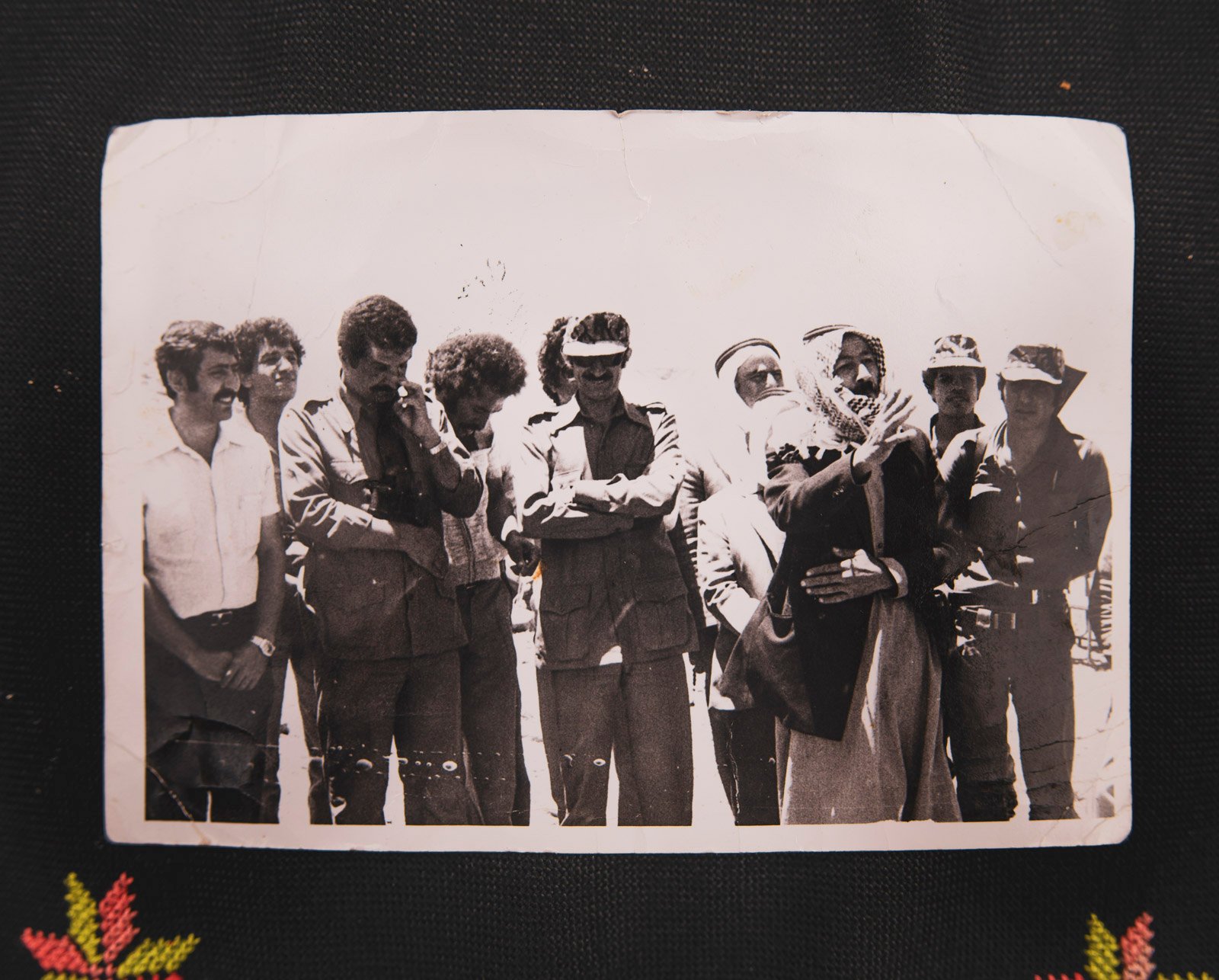
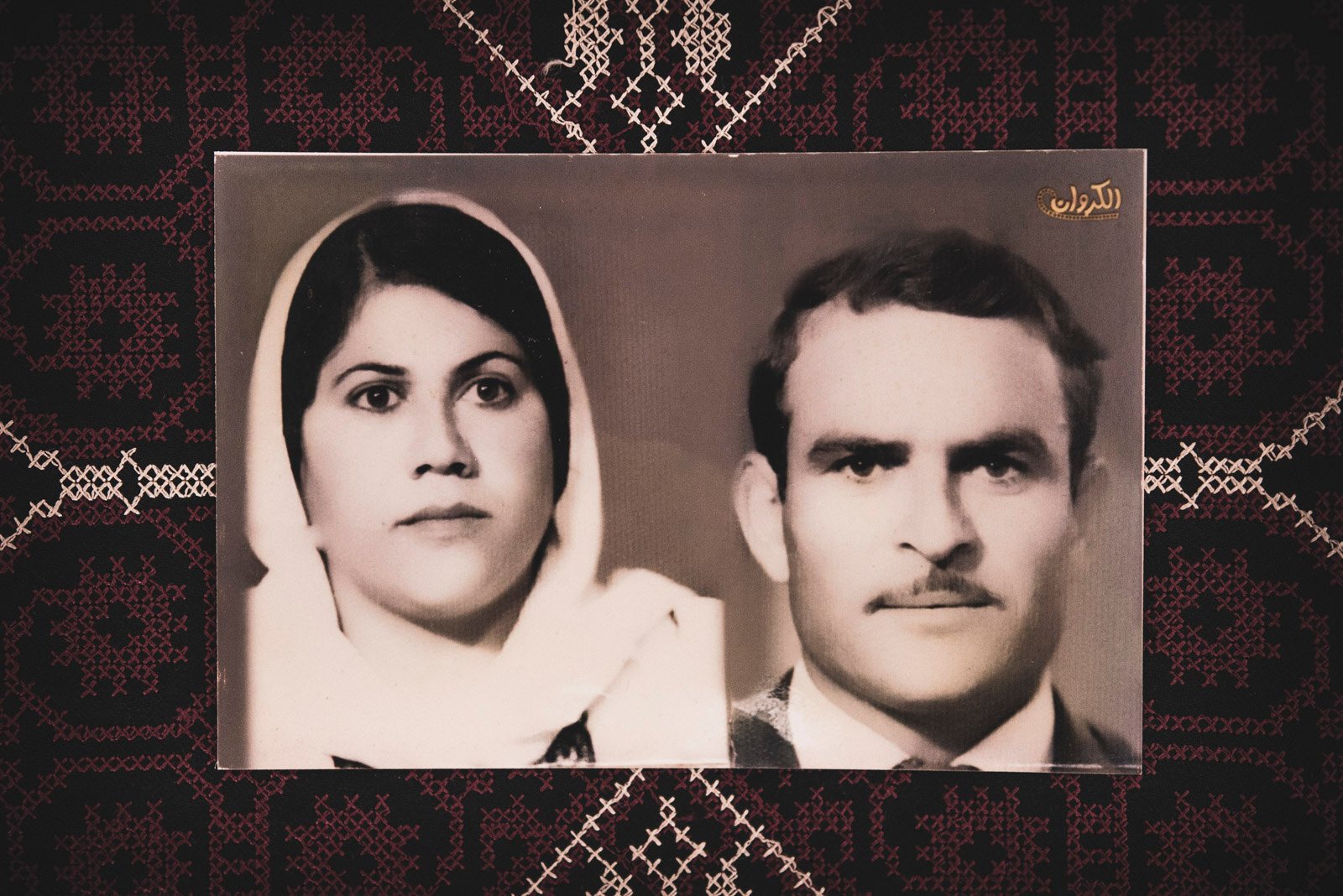
Faced with this systematic attempt to obliterate their identity, representation becomes an act of resistance. For Palestinians, to show oneself, to tell one’s story, to make oneself visible is a way to assert the right to exist. In this struggle, photography gains a special power: it is irrefutable proof, a silent witness declaring, “this has been.” Each image becomes a certificate of existence, a fragment of memory that resists the imposed silence.
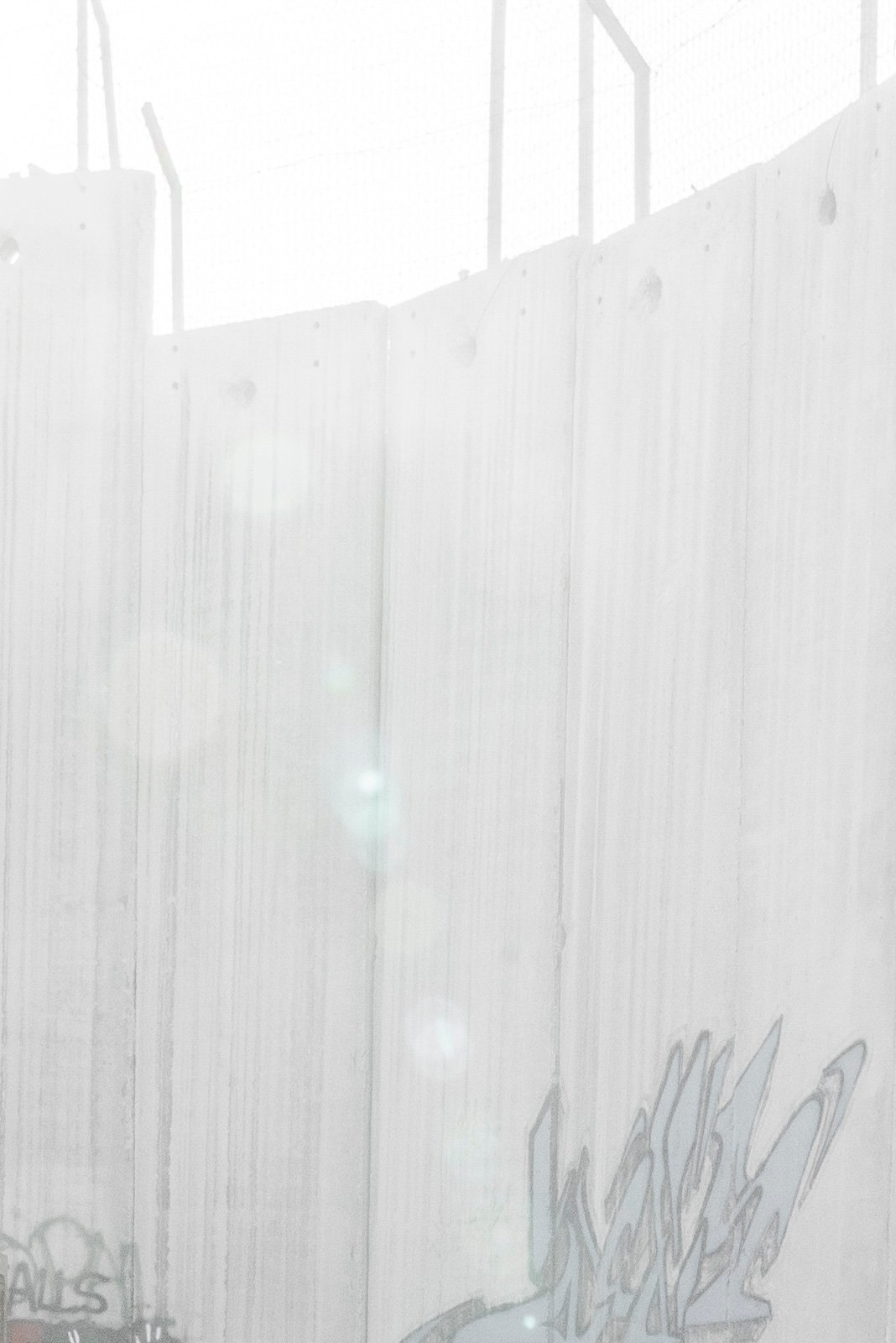
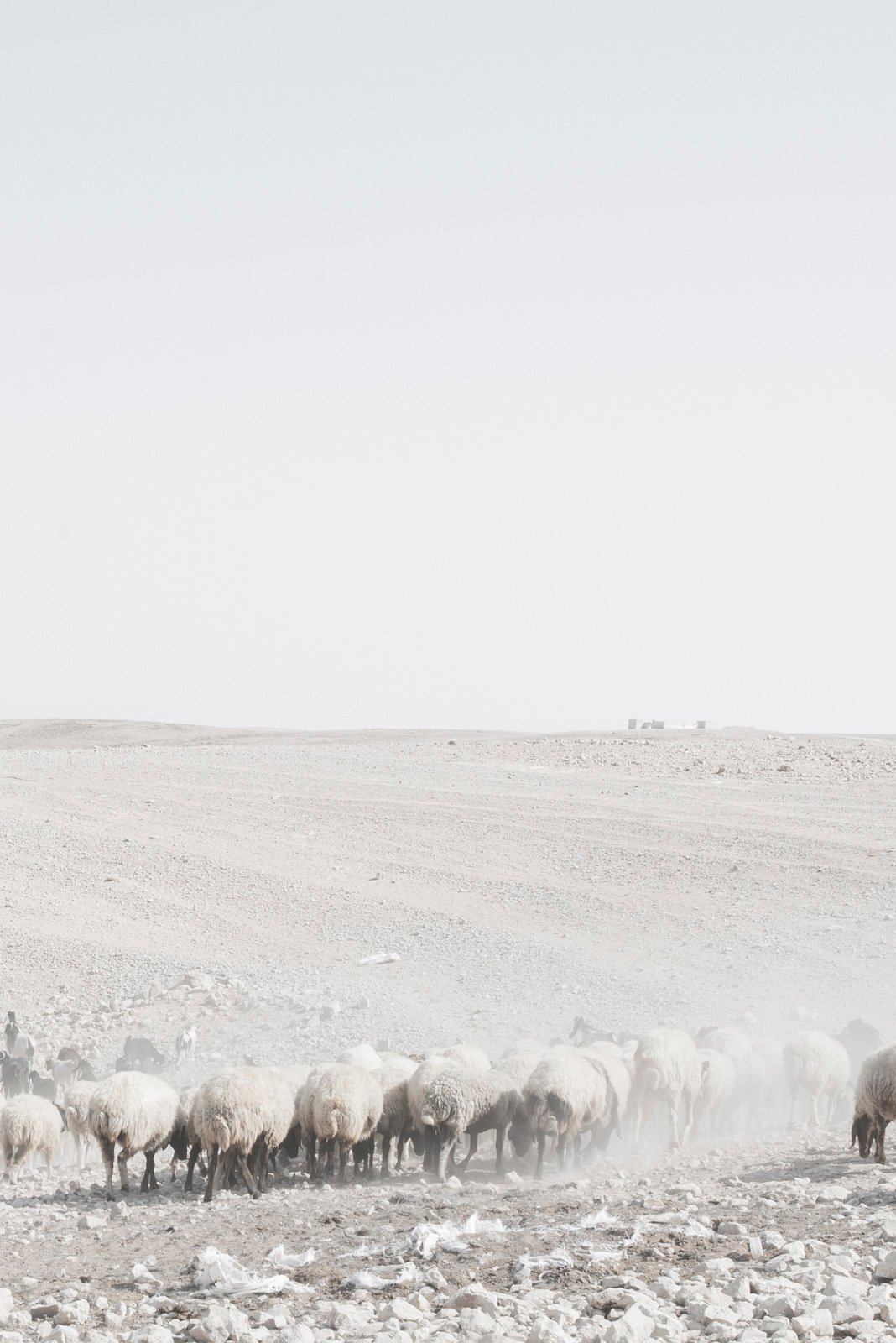
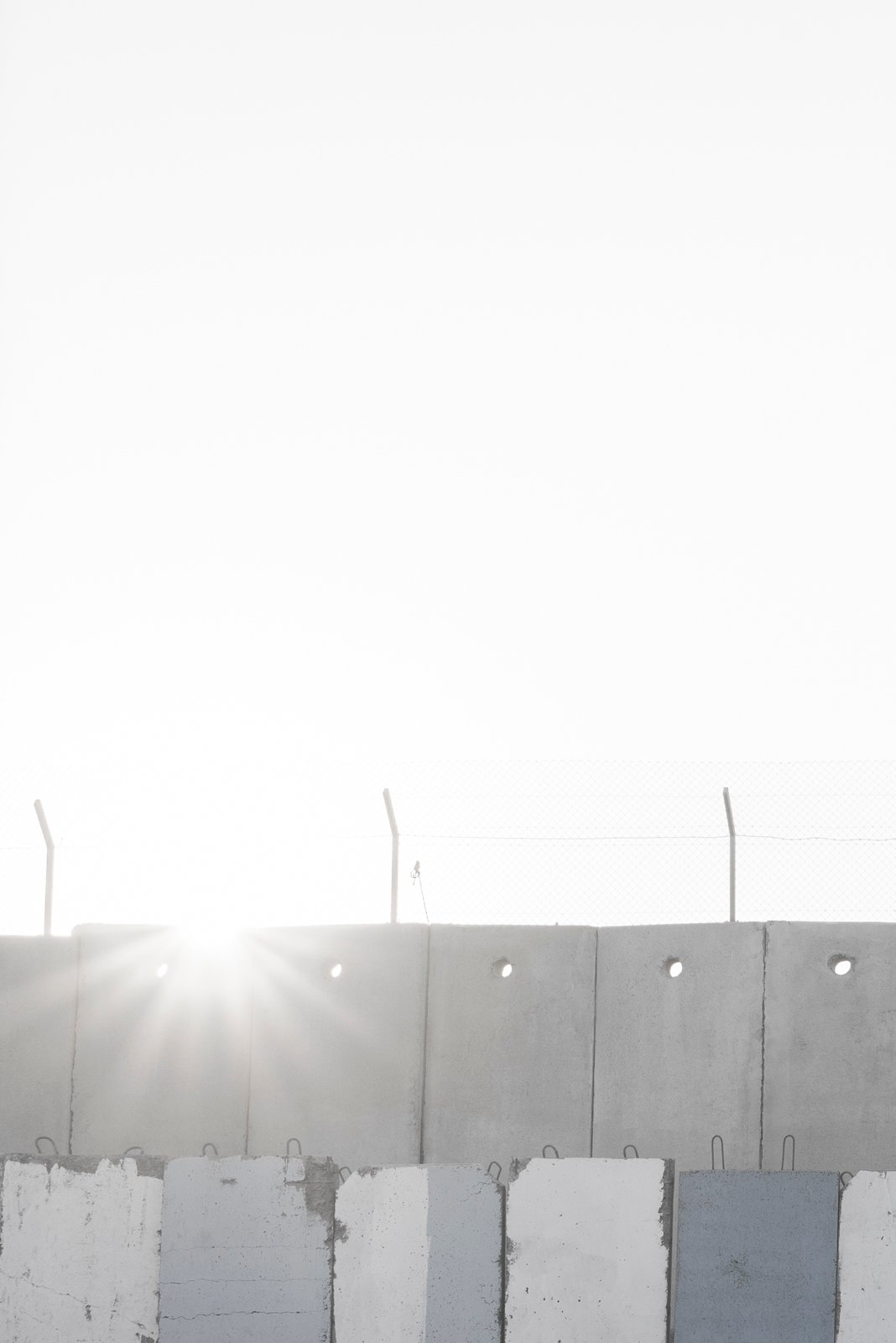
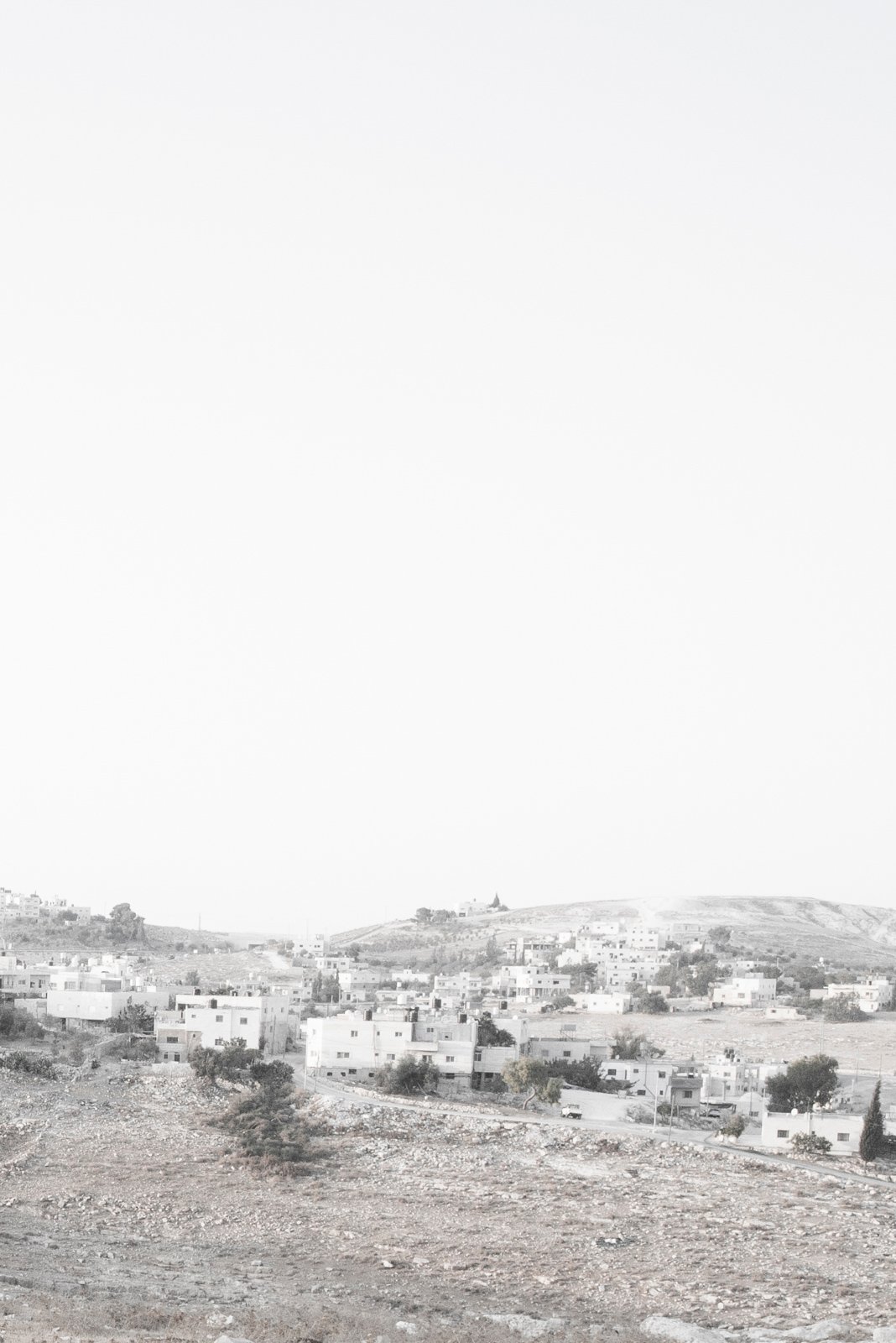
Palestine is a country living under colonization and occupation. To tell its story is to tell the story of the present — and to defend the possibility of a future.
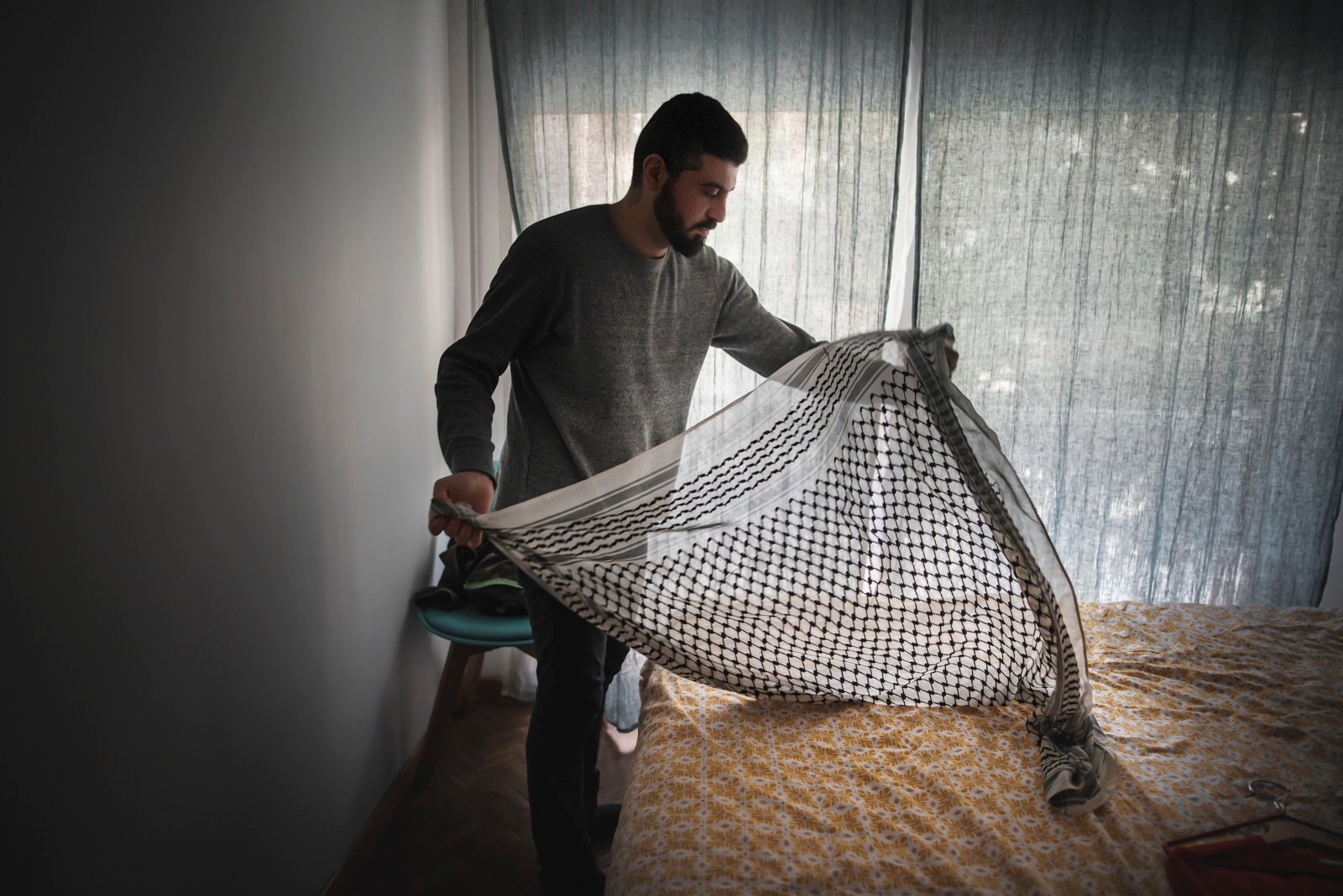
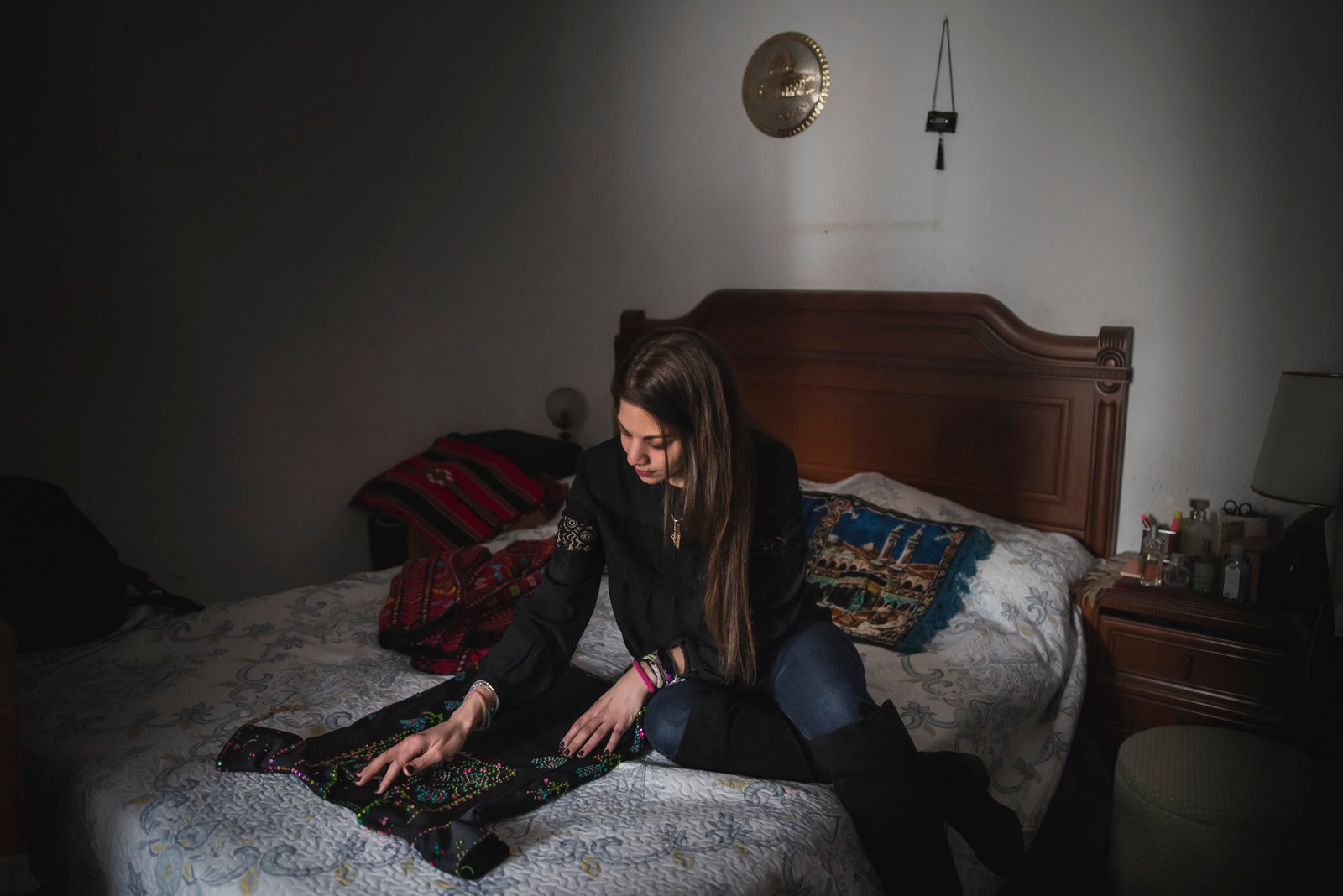
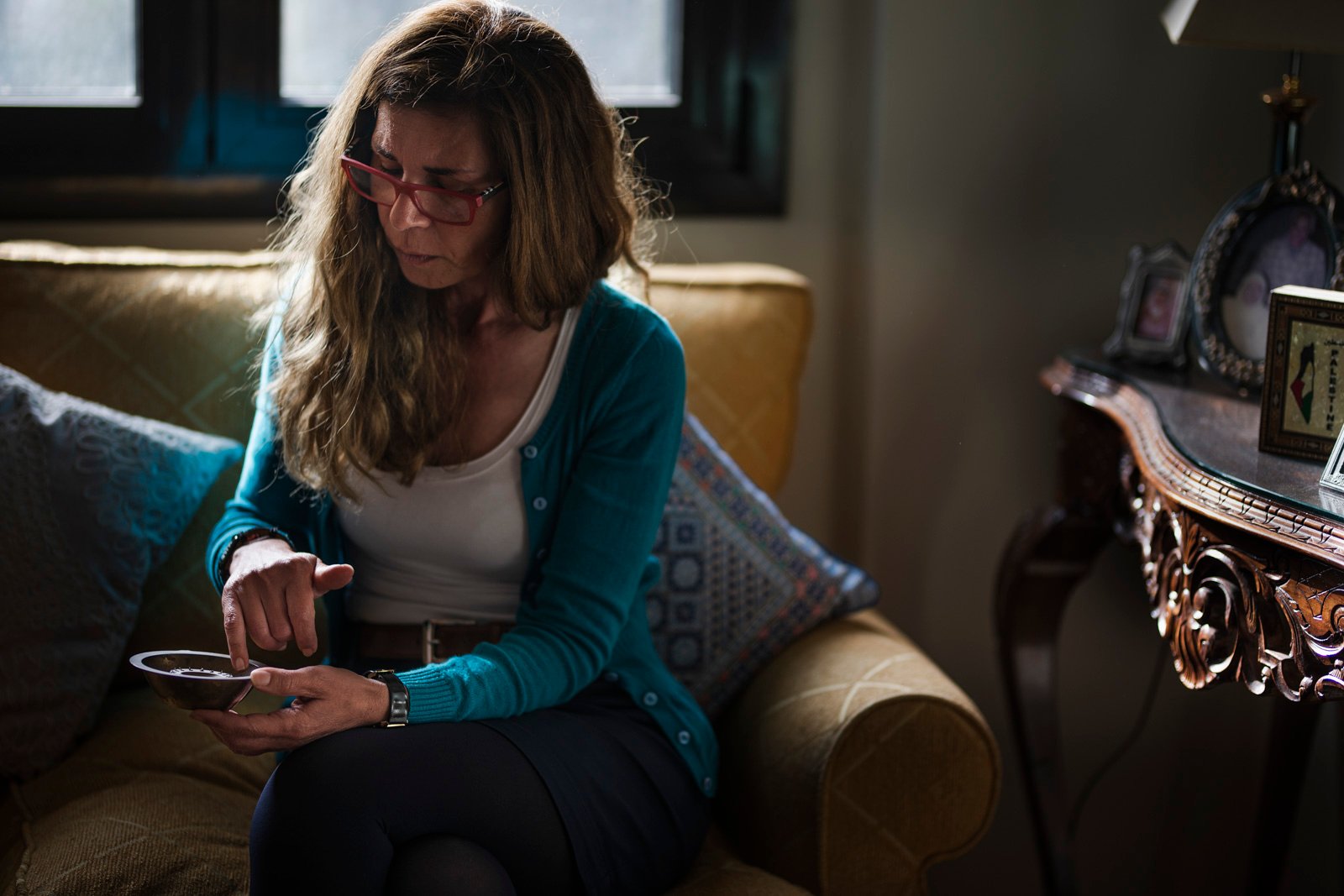
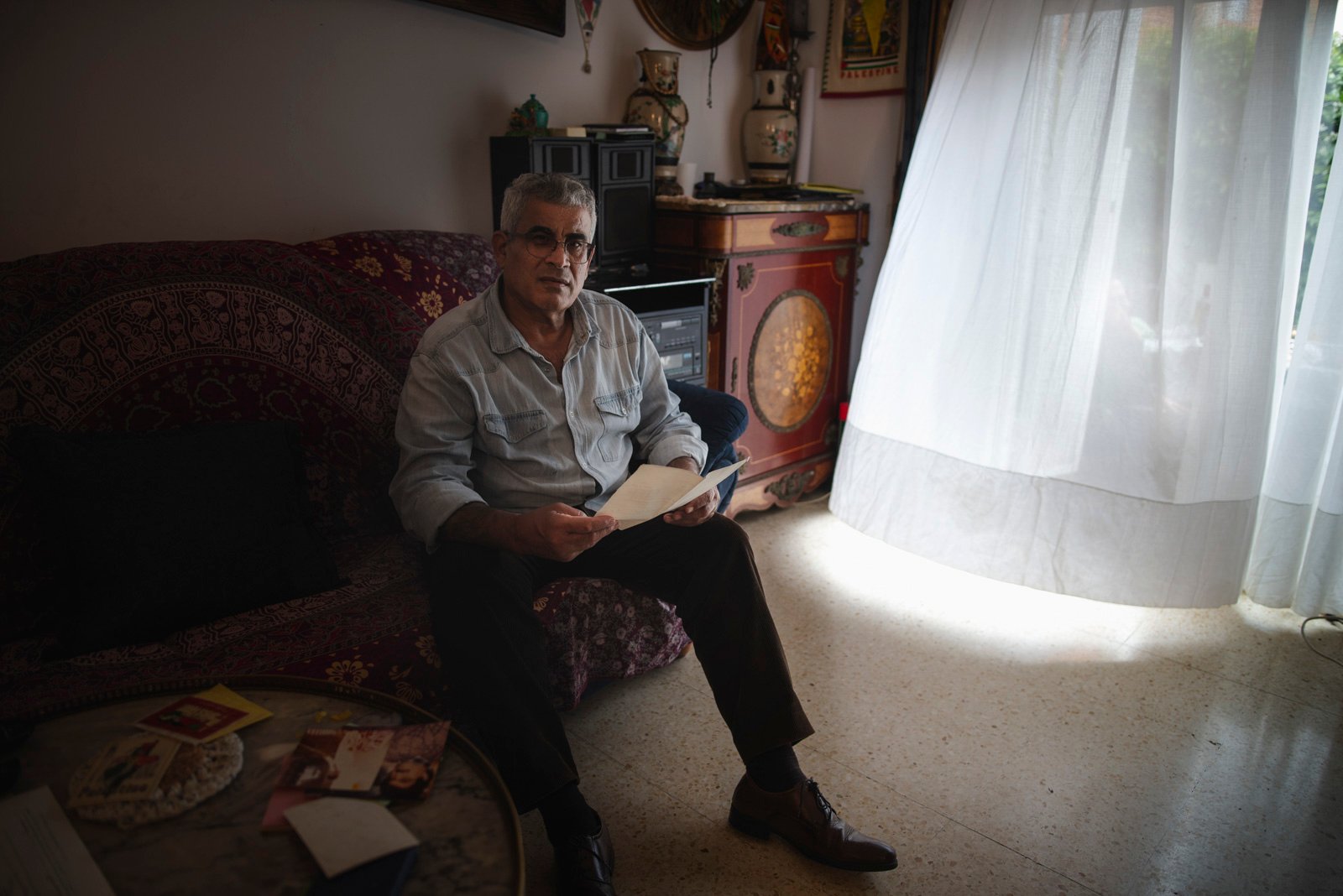
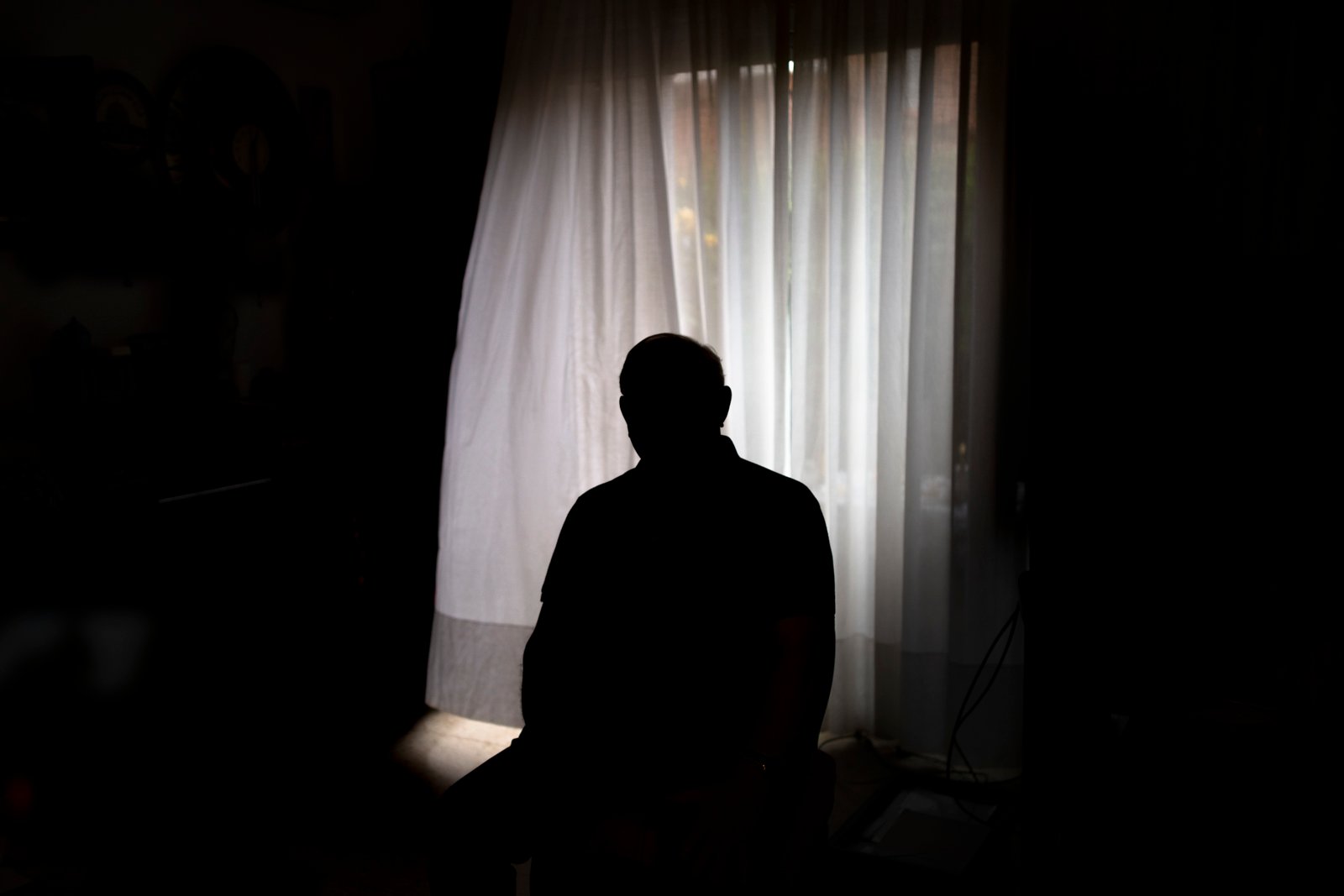
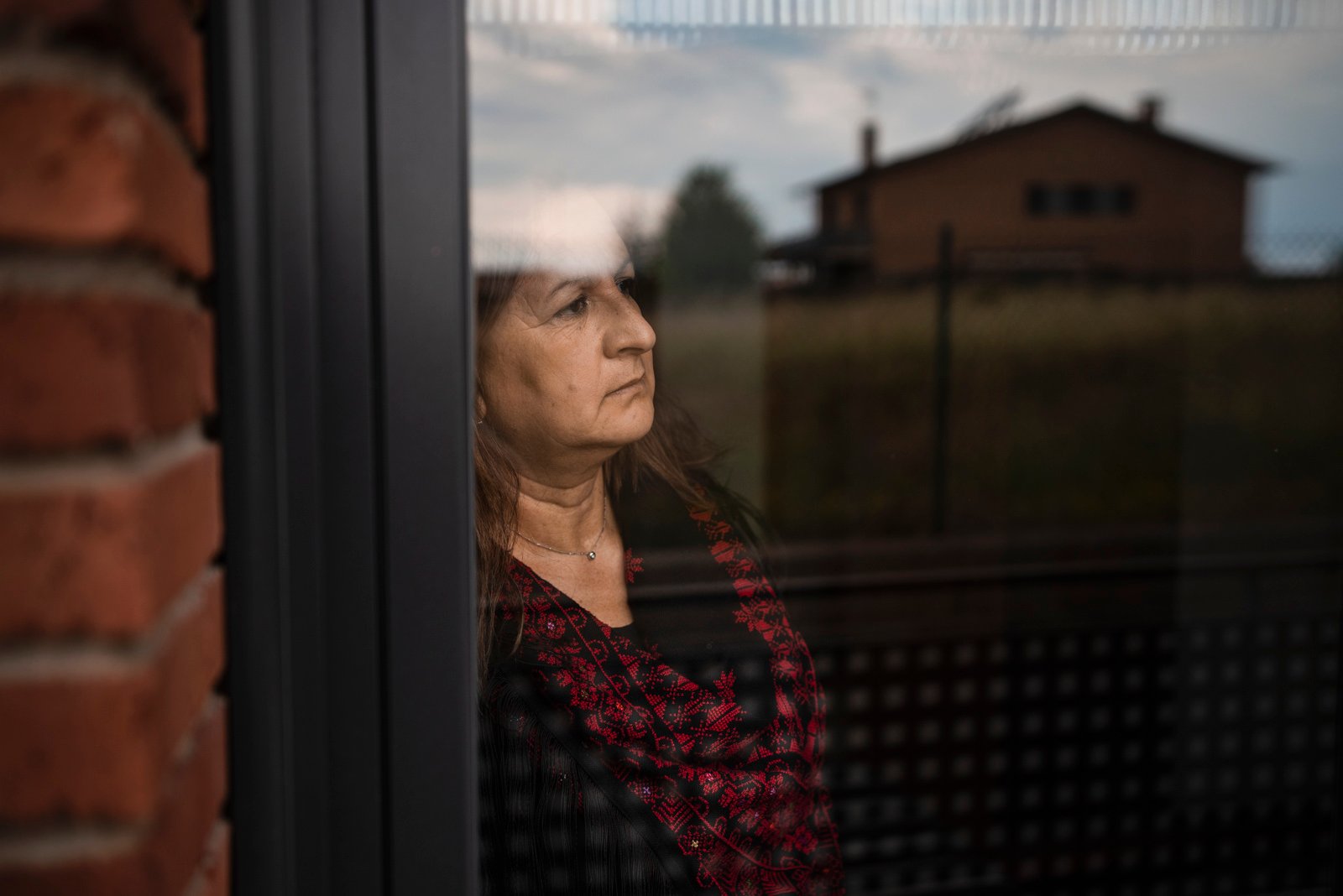
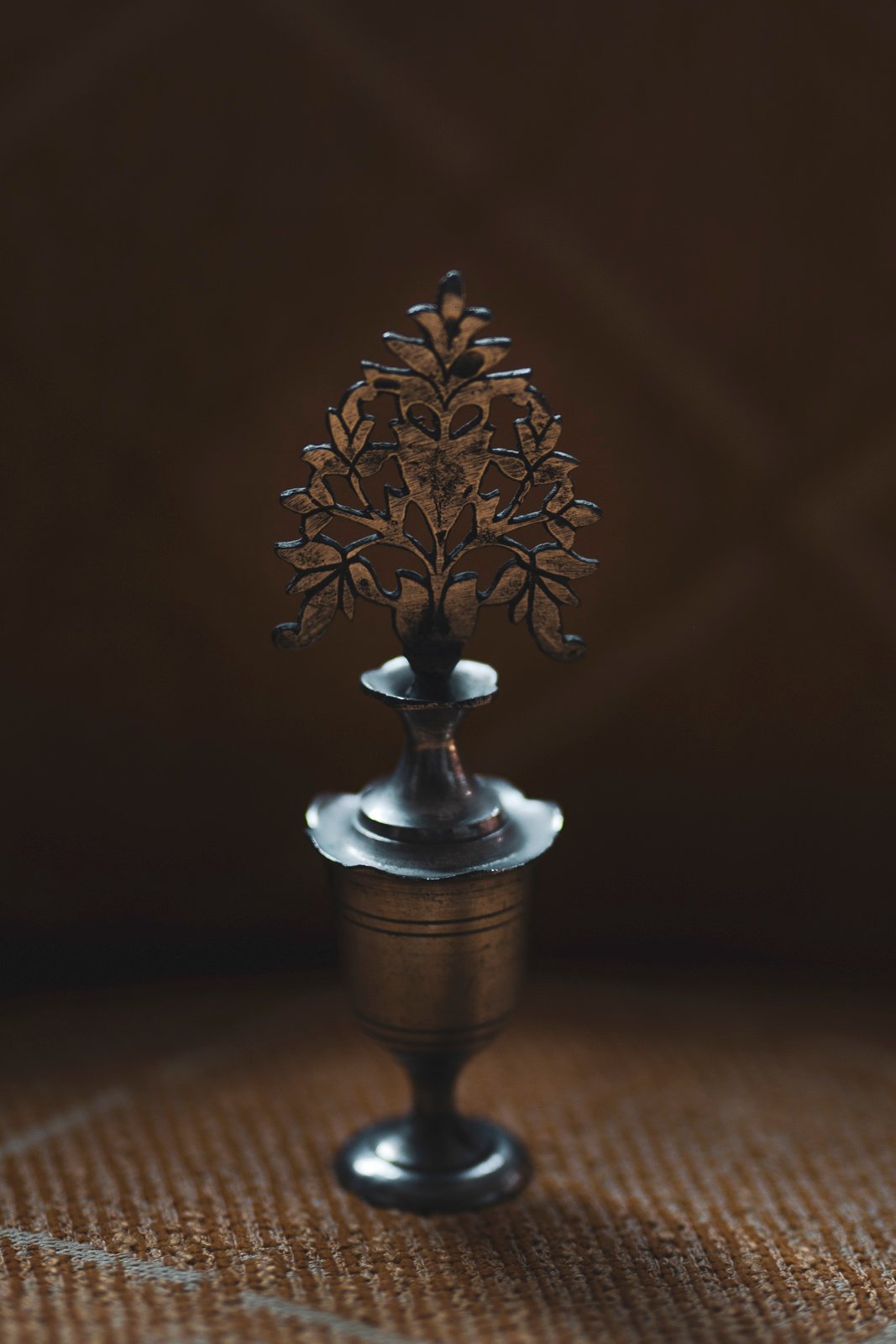
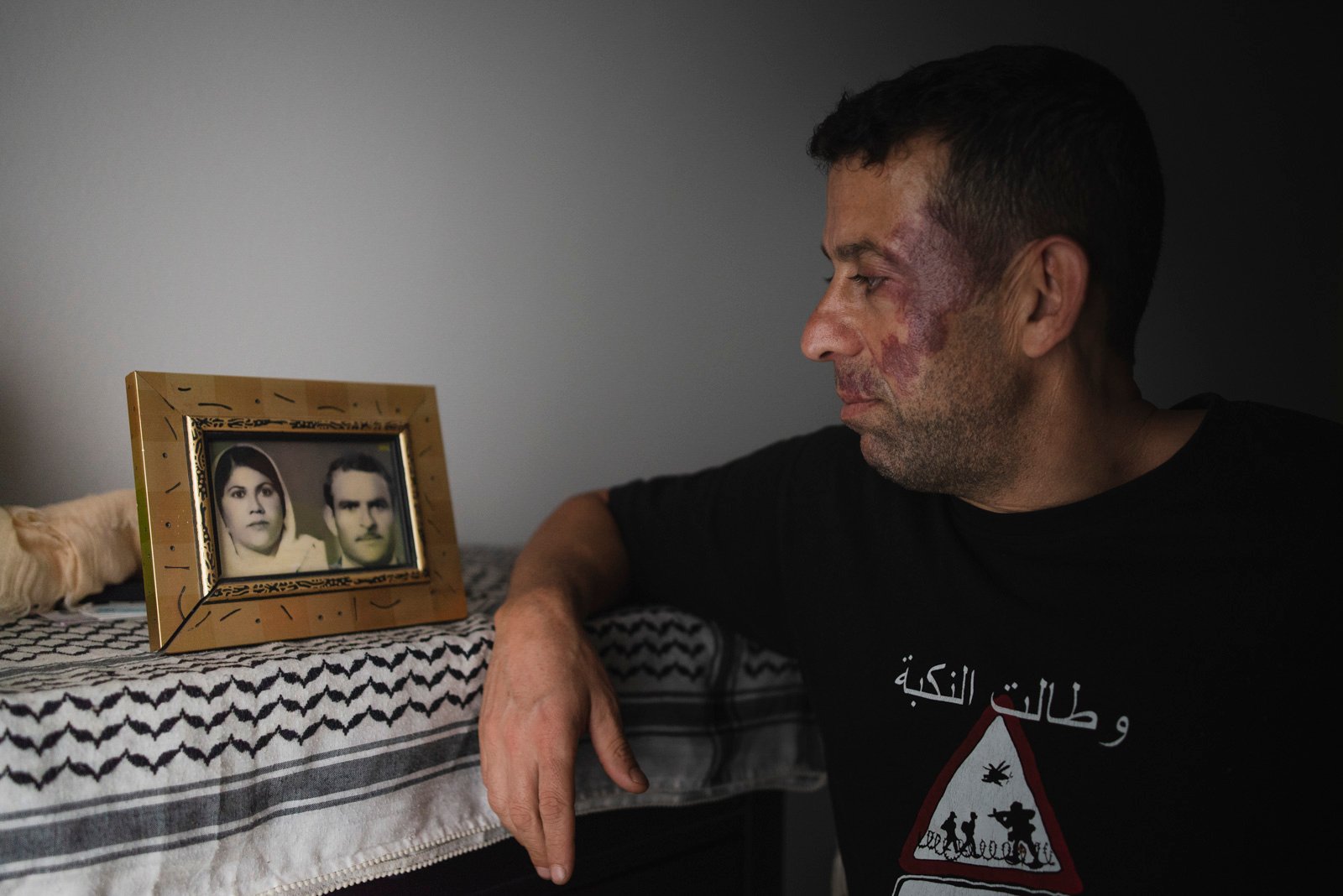
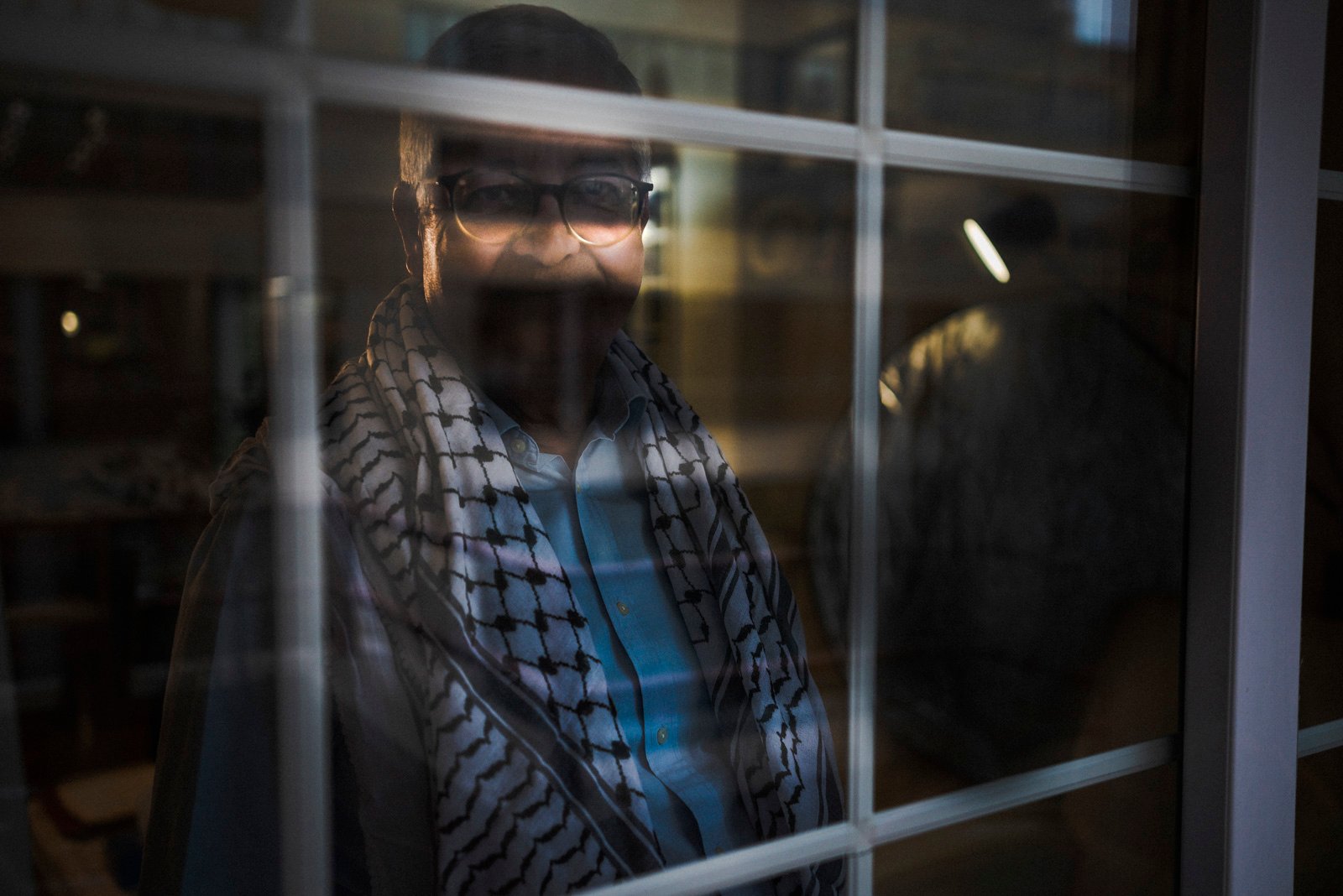
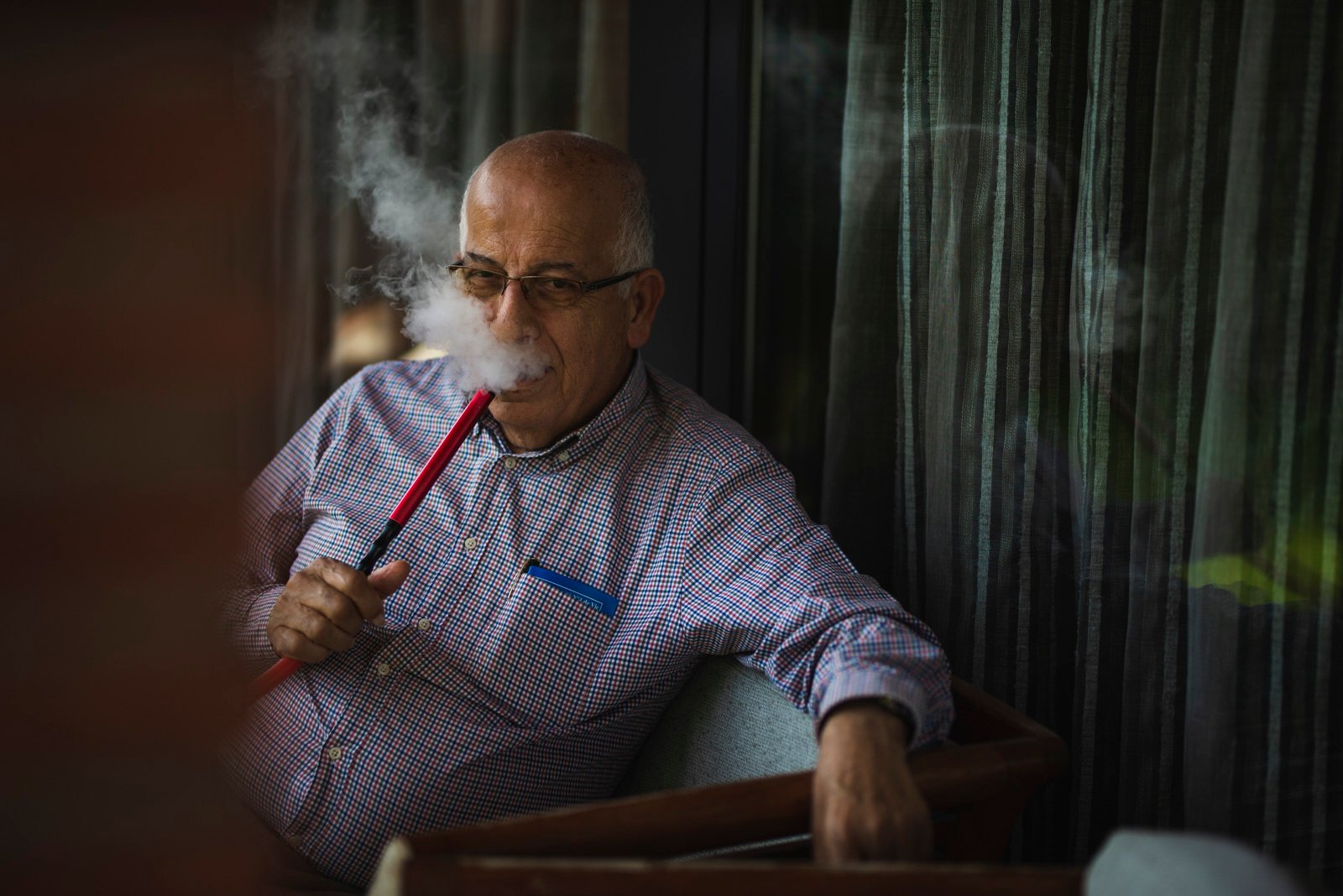
In 2022, members of the Palestinian community in Catalonia opened their homes, sharing family albums, treasured documents, and objects heavy with history. They recounted how they experienced the Nakba firsthand, how they fled “with only what they could carry,” how Palestinian women face a double occupation — that of their land and of their own bodies — and how, despite everything, the Palestinian people continue to resist.
Against Oblivion is a defense of memory. A quiet, steadfast affirmation of existence.